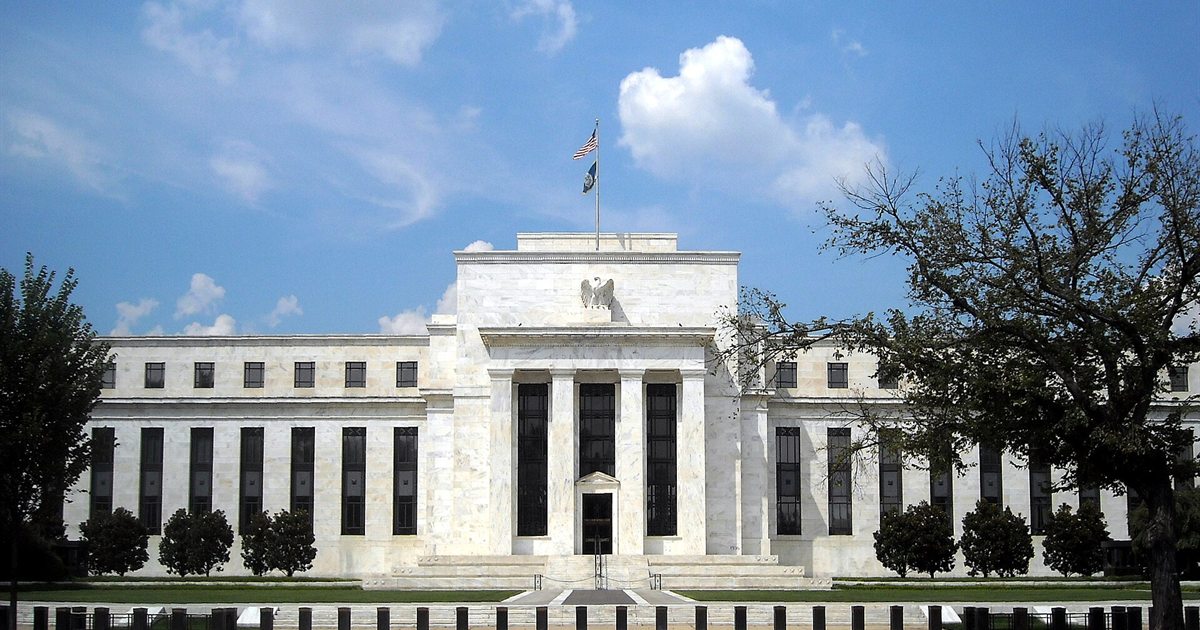
The 10-Year Treasury Yield Just Hit 5.35%, the Highest Since 2002. Here's What It Means for You
The most important interest rate in the world just hit a 24-year high. It sets the price of mortgages, car loans and stocks. Here is why it jumped, what the Fed said this week, and the simple moves savers and investors can make.
Read More →
Earnings Season Starts Next Week and Wall Street Expects Profits to Jump 29.5%. Is That Enough?
Companies in the S&P 500 are expected to report profits almost 30% higher than a year ago. That sounds like a sure win for stocks. It isn't, and this week's first two reports show why. A plain-English guide to the next four weeks.
Read More →
Canada Lost 68,000 Jobs in September and Unemployment Rose to 6.5%. What It Means for Rates and Your Money
Economists expected Canada to add a few thousand jobs in September. It lost 68,000 instead. Quebec and young workers took most of the hit. Here is what the numbers say, what they mean for interest rates, and what to do if your own job feels shaky.
Read More →
The Loonie Just Hit an 18-Month Low. What a 70-Cent Dollar Means for Your US Stocks, Trips and Savings
One Canadian dollar now buys about 70 US cents. That makes US stocks, US trips and anything priced in US dollars more expensive. It also quietly boosted the value of the US investments you already own. Here's the why and the what-to-do.
Read More →
France's Debt Scare Sent the Euro to a 17-Month Low. Is Europe Heading for Another Debt Crisis?
Investors are demanding the highest premium to lend to France since the 2011 euro crisis. The euro, French stocks and French banks have all dropped. Here's a plain-English look at what a bond spread is, why France is in trouble, and how worried you should be.
Read More →
Samsung Just Made More Profit in One Quarter Than Nvidia. So Why Did Korean Stocks Fall 2.6%?
Samsung's quarterly profit topped 100 trillion won for the first time, nearly nine times last year's. More than half of every dollar of sales was profit. Korean stocks fell hard anyway. Here's the simple reason, and what it teaches about investing in booms.
Read More →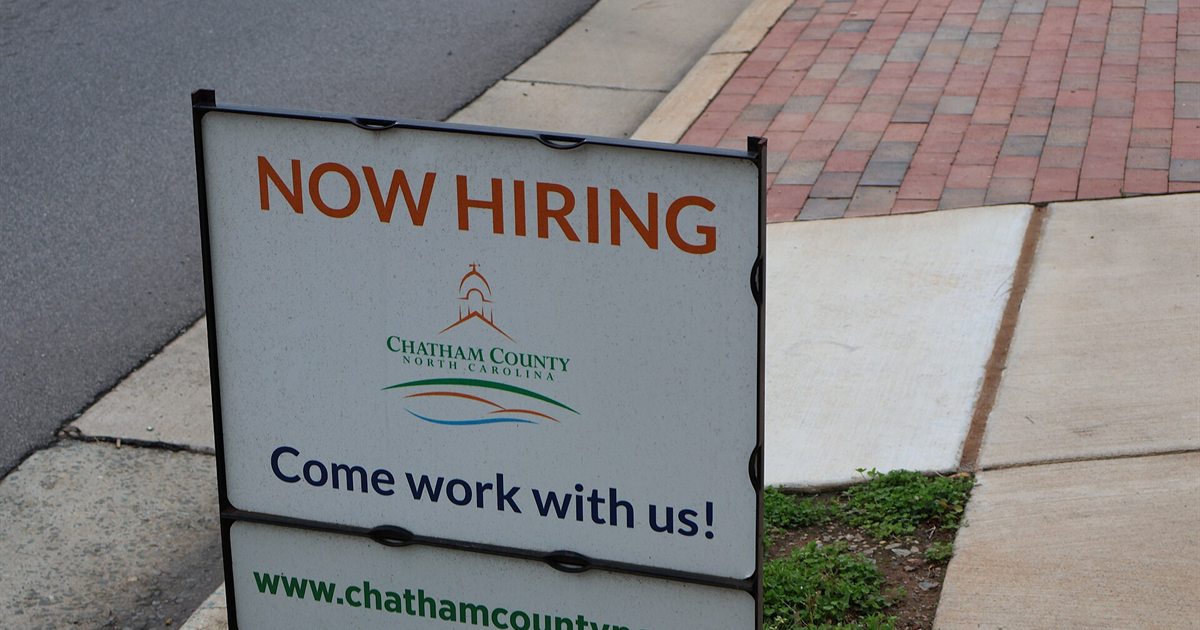
The US Added Just 29,000 Jobs in September. Why Wall Street Cheered, and What It Means for Your Money
Employers added only 29,000 jobs in September, about a third of what economists expected, and July was revised to a loss. Yet stocks jumped. The reason: a weak job market makes another Fed rate hike this month much less likely. Here's what that means for you.
Read More →
The 30-Year Treasury Just Hit 5.63%, a 24-Year High. What It Means for Mortgages, Savers and Your Bond Funds
Long-term US government bonds now pay more than at any time since 2002. That's great if you're buying bonds today and painful if you already own them. It also keeps mortgage rates near 7%. Here's the plain-English version of what's going on.
Read More →
The Bank of Canada Just Said Housing Feels 'Like a Trap', and That Interest Rates Can't Fix It
The Bank of Canada's number two gave an unusually blunt speech in Victoria: lower prices hurt the economy, higher prices hurt families, and interest rates can't solve it. Here's what she said and what it means if you're trying to buy, or already own.
Read More →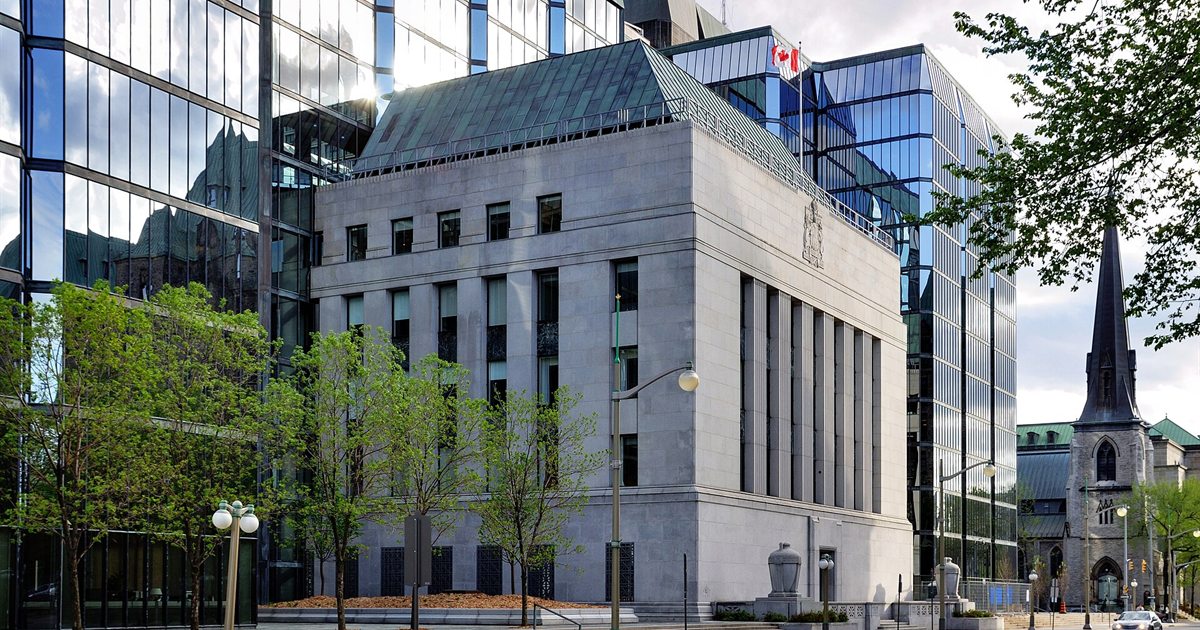
Canada's Economy Stalled in July. Will the Bank of Canada Still Raise Rates on October 28?
The Canadian economy didn't grow at all in July. Factories and stores had a bad month, and construction leaned on one big hospital project. So why are markets still betting the Bank of Canada might raise rates this month? Here's the tug-of-war, and what to do about your mortgage.
Read More →
Eurozone Inflation Jumped to 3.8%, a Three-Year High. Is Another ECB Rate Hike Coming on October 29?
Prices in the eurozone are rising at the fastest pace in three years, and almost all of it is energy. The European Central Bank has already raised rates once this autumn. Whether it goes again on October 29 depends on one number most people ignore: core inflation.
Read More →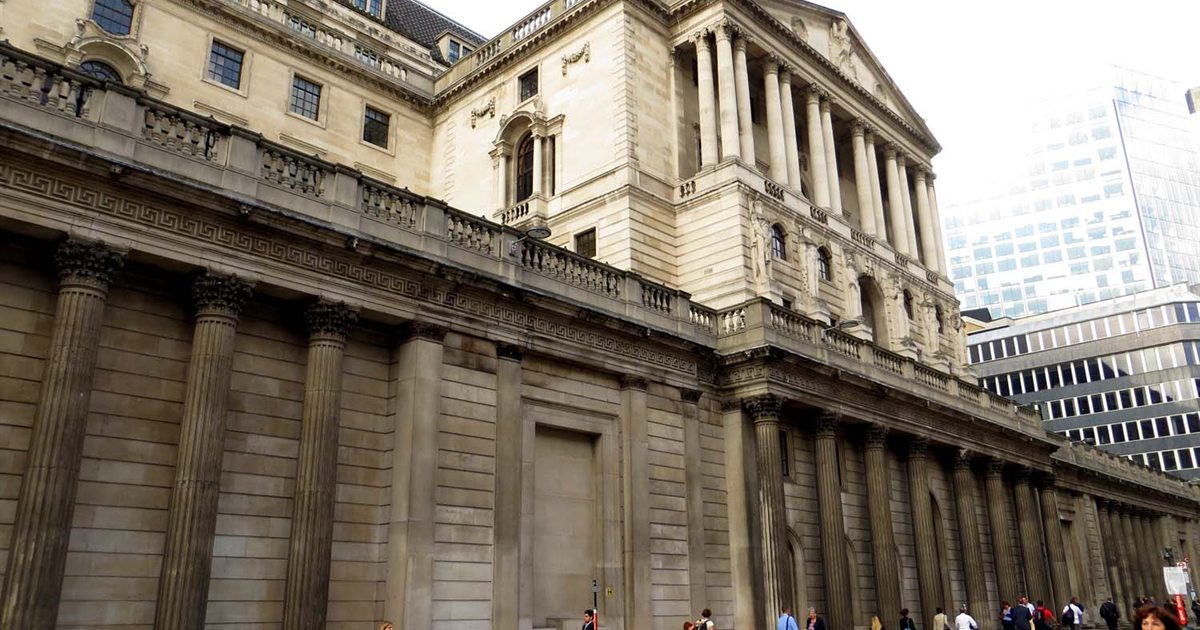
UK 30-Year Borrowing Costs Just Hit 6% for the First Time Since 1998. Here's Why It Matters Outside Britain
Britain now pays 6% to borrow for 30 years, the most since 1998. Stocks fell, the pound slipped, and the government's Budget is four weeks away. It's a live lesson in what happens when bond investors lose patience, and it's not only a British story.
Read More →
South Korea's Exports Just Smashed a Record at $120.9 Billion. Half of It Was Computer Chips
Korea sold more to the world last month than ever before, and almost exactly half of it was semiconductors. Memory chips for AI are selling at prices no one imagined a year ago. It's a remarkable boom, and a reminder of what happens when a whole country bets on one product.
Read More →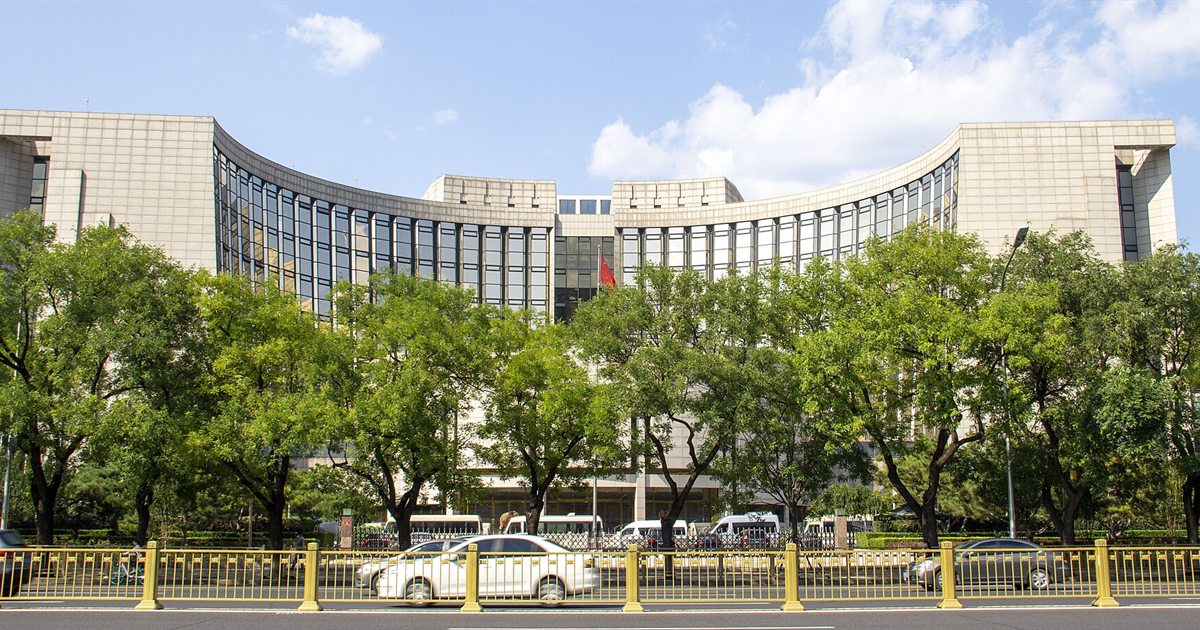
China Just Launched Its Biggest Stimulus in Two Years. Investors Shrugged. Here's Why
Beijing rolled out mortgage subsidies, cheaper loans and shopping vouchers on the eve of its biggest holiday. Factories are growing again for the first time in three months. But stocks fell and bond yields didn't budge. Investors have seen this movie before.
Read More →
The 10-Year Treasury Hit 5.23%, Its Highest Since 2007. Here's How to Actually Lock In That Yield.
For the first time since 2007, a 10-year US government bond pays more than 5.2% a year. That's a rare chance to lock in income, but only if you buy the right way. How Treasuries work, where to buy them, and what happens if yields keep rising.
Read More →
Mortgage Rates Just Crossed 7% for the First Time Since January 2025. Should You Buy, Wait or Refinance?
The 30-year mortgage rate is back above 7% for the first time in 20 months. On a $400,000 loan, that's about $190 a month more than a year ago. But sellers are getting more flexible and supply is the highest in a decade. Here's how to think about buying, waiting or refinancing.
Read More →
Canadian Inflation Is Stuck at 3%. Markets Now Give an October Bank of Canada Hike 60/40 Odds.
Two weeks ago almost nobody expected a Bank of Canada hike this year. Now markets see October 28 as close to a coin flip, leaning toward a hike. Here's what changed, what economists expect, and what to do with your mortgage, GICs and savings before the decision.
Read More →
Ottawa's $36 Billion 'Productivity Mega Deduction,' Explained: What It Does and Which TSX Sectors It Helps
Canadian companies can now deduct the full cost of most new machines, software, pipelines and rail track in the year they buy them. Ottawa says it will cost $36 billion over five years and add up to $22 billion a year in output. Here's how it works in plain English, and which parts of the TSX stand to gain.
Read More →
Europe's Economy Just Grew at Its Fastest Pace Since 2023, Two Weeks After the ECB Raised Rates Again
Higher interest rates are supposed to slow an economy. Europe's didn't get the memo. Business activity grew at its fastest pace in nearly three and a half years in September, new orders hit a four-year high, and France is growing again. Why that raises the odds of another ECB hike, and what it means for investors.
Read More →
The US Put a 100% Tariff on Brand-Name Drugs. Europe's Pharma Giants Mostly Pay 0% to 15%. Here's Why.
The headline says 100%. The real rate for most European drugmakers is far lower: 15% for EU and Swiss products, 10% for UK products, and 0% for companies that signed US drug-pricing deals. Why the tariff threat has mostly been defused for Europe's biggest stocks, and where the cost really shows up.
Read More →
Trump and Xi Extended the Trade Truce Only to Jan. 10. What That Short Deadline Means for Your Portfolio.
Xi Jinping's first US state visit in over a decade ended with smiles, pandas and a trade truce extended by just two months. The short fuse is the story: another deadline lands on Jan. 10, between two summits. What the truce protects, from rare earths to soybeans, and how to position for it.
Read More →
Japan's Nikkei Is Up About 32% This Year. Here's How to Invest in Japan Without Getting Burned by the Yen.
Japanese stocks are among the world's best performers in 2026, with the Nikkei up about 32%. But with the Bank of Japan hiking and the yen near 158 per dollar, currency swings can add or erase a big chunk of your return. What's driving Japan, and how to invest with or without the yen.
Read More →
The Fed Just Hiked With Core Inflation at 2.4%. It Is Fighting Gasoline, Not Your Grocery Bill.
The first Fed hike since 2023 came with core CPI at 2.4%, down from 2.5% in July. Gasoline, up 27.4% in a year, is doing most of the work. Why that matters for bonds, stocks and your cash.
Read More →
The 10-Year Treasury Hit 5%. The S&P 500 Now Barely Out-Yields It, Even at a 'Cheap' 19x Earnings
Stocks look cheaper than they have in years at 19.1x forward earnings. But the 10-year Treasury pays about 5%, and the S&P 500's earnings yield is only about 5.2%. The cushion for owning stocks is nearly gone.
Read More →
The US 'Ban' on Canadian Goods Covers About 0.3% of Trade. The 1930 Law Behind It Is the Real Story.
The import ban starting Sept. 29 covers roughly US$967 million of goods, about 0.3% of US imports from Canada. But it's the first time Section 338 has ever been used, and CUSMA doesn't protect against it.
Read More →
The Fed-Bank of Canada Gap Just Hit 1.5 Points. Here's What That Does to Your Loonie and Your US Stocks.
The Fed's hike put US rates at least 1.5 points above Canada's. The loonie hit a six-week low near 71.5 US cents. Meanwhile, Canadian inflation excluding gasoline quietly picked up to 2.4%. What the gap means for your portfolio.
Read More →
The Bank of England Quietly Stopped Selling Long Bonds, and Three Policymakers Wanted a Hike
The rate decision was a hold. The bigger news was the balance sheet: the BoE paused gilt sales until April 2027, won't sell its longest bonds at all, and will keep £120 billion of them for good. Three members wanted to hike.
Read More →
The EU Offered Canada 'Associate Membership.' What It Would, and Wouldn't, Change for Investors
It's the most-shared Canada story of the week and the least explained. 'Associate membership' doesn't exist yet in EU law. Here's what's actually on the table, which sectors it touches, and the risk that comes with it.
Read More →
Japan Hiked to 1.25% the Same Morning Core Inflation Fell to 1.7%, and the Yen Still Fell
The BoJ hiked to 1.25%, the highest since 1995, with two dissenters pointing out that core inflation is below 2%. Governor Ueda offered no promise of more, and the yen fell instead of rising. A central bank hiking into soft inflation is rare.
Read More →
China's Exports Rose 25%. Its Shoppers Spent 0.4% More. That Gap Is the Whole Story.
Chinese exports jumped 25% and factory-gate prices rose 3.8%. Retail sales rose only 0.4%, less than inflation, and investment kept shrinking. China has stopped exporting deflation, but its own shoppers are pulling back.
Read More →
Wholesale Inflation Just Printed 5.4% and Almost Nobody Covered It
August PPI rose 5.4% year over year, with diesel up 24.1% in a single month. Producer prices lead consumer prices — here's what that gap means for your portfolio.
Read More →
The Fed Is About to Hike Into the Weakest Job Market in Years — and Three Officials Already Voted For It
Markets price roughly a two-thirds chance of a September rate increase while payroll growth averages under 75,000 a month. Here's why the Fed may raise rates anyway.
Read More →
Canadian Wages Grew 2.0% While Inflation Ran 3%. That Gap Is the Whole Economy Right Now.
August wage growth was the slowest since 2017 outside the pandemic while headline CPI sits at 3%. Canadians are getting poorer in real terms — here's what it means for investors.
Read More →
BMO Just Broke the Big Five's Commission Wall — and the Fee You Still Pay Is the One Nobody Mentions
BMO InvestorLine goes commission-free on stocks and ETFs September 14, 2026, the first Big Five bank brokerage to do it. What actually changed, and what still costs you money.
Read More →
The ECB Just Hiked Again Because of Oil It Cannot Control — and Core Inflation Is Actually Falling
The ECB raised its deposit rate to 2.5% on September 10 as eurozone inflation hit 3.3%. But core inflation fell to 2.4%. Here's the split that makes this decision unusual.
Read More →
A 28-Year High in UK 30-Year Yields and the Widest French Spread Since 2012: Europe's Real Story Is in Bonds
UK 30-year gilts near 5.9%, German two-year yields at three-year highs, and the France–Germany spread at levels last seen in 2012. What sovereign bond stress signals for equity investors.
Read More →
The KOSPI Rose 4.6% in a Day on Essentially Two Stocks. That Is Not a Market, It Is a Position.
Korea's index jumped 4.6% on September 7 as Samsung and SK hynix surged on the memory chip trade. Nearly as many stocks fell as rose. What single-sector index concentration means for investors.
Read More →
Japan Is Tightening for the First Time in a Generation — and a Stronger Yen Cuts Both Ways for Foreign Investors
The Bank of Japan raised rates to 1% in June, the highest since 1995, while the Nikkei sits near record levels after a 58% year. What a rising yen does to a foreign investor's return.
Read More →
Warsh Just Abolished Forward Guidance. Almost Nobody Reported the Part That Matters
At Jackson Hole, Fed Chair Kevin Warsh said forward guidance has 'overstayed its welcome.' Here's why a communication change is really a volatility change for your portfolio.
Read More →
Real Consumer Spending Went to Zero in July and the Savings Rate Fell to 3%
Incomes rose, spending didn't. Real personal consumption was flat in July 2026 and the savings rate fell to 3%. Here's why a market priced for rate hikes should care.
Read More →
The Bank of Canada Meets Wednesday With 3.3% Growth, 3.0% Inflation and a Trade War. There Is No Clean Answer
Q2 GDP came in at 3.3%, inflation rose to 3.0%, and counter-tariffs land September 8. Here's the bind facing the Bank of Canada on September 2 — and what it means for your mortgage and portfolio.
Read More →
Canada's Counter-Tariffs Land September 8. Here's the $20-Billion List and Who Actually Pays
Canada is hitting roughly $20 billion of US goods with 15%, 25% and 50% tariffs on September 8, 2026. Which sectors are affected, who bears the cost, and what it means for investors.
Read More →
European Q2 Earnings Growth Came in Near 21%. Nobody Noticed Because Nvidia Reported the Same Month
STOXX 600 Q2 earnings growth expectations jumped to almost 21% from 12.5% in May, with the EURO STOXX 50 and DAX at record highs. Why the European rally is being ignored.
Read More →
The ECB Hiked for the First Time in Three Years and Told You It Isn't Finished. Energy Is the Reason
The ECB raised rates in June 2026 for the first time in three years and warned the July pause isn't the end. Energy prices are the mechanism — here's what it means for investors.
Read More →
Japan's 40-Year Bond Yields 4.19%. That Number Is Quietly Repricing Long-Duration Assets Everywhere
Japan's 40-year JGB yields 4.19% and its 30-year 4.13%, up 0.77 points in a year. The country that anchored global long rates near zero has stopped. Here's the portfolio impact.
Read More →
Foreign Money Is Quietly Rotating Out of Korea and Taiwan Into India — While Indian Indices Fall
Foreign investors put ₹27,186 crore into Indian equities in August 2026, the most since September 2024 — while the Sensex and Nifty fell 1%. Here's what that divergence means.
Read More →
Buried in the Fed Minutes: Warsh Wants to Cut FOMC Meetings From Eight to Six
The July FOMC minutes revealed a proposal to shrink the Fed's calendar from eight meetings a year to six. Almost nobody covered it. Here's why it matters.
Read More →
The Treasury Just Doubled Its Bond Buybacks — Quietly, and at the Long End
Washington doubled its long-dated debt buybacks after a buyers' strike pushed 30-year yields to near 20-year highs. What it is, what it isn't, and who it affects.
Read More →
Canada's 50% Tariff Cliff Is Now a Saturday Deadline — and Metals May Not Be Saved
Trump paused 50% tariffs on $28B of Canadian goods for three days. The clock now runs out Saturday, and reports say metals stay tariffed. What's actually exposed on the TSX.
Read More →
Canadian Banks Just Had an Ugly Day While Gold Miners Soared — Days Before Q3 Earnings
BMO fell 4.4% and TD 3.5% on the same day gold miners rose 10%. With Scotiabank reporting Aug 25 and RBC Aug 27, here's what the split actually means.
Read More →
Europe Just Priced €38 Billion of Bonds in a Week — Into a Buyers' Strike
European borrowers restarted after summer at the fastest pace on record, straight into French yields at post-2009 highs and German 30-years at 15-year highs.
Read More →
The ECB Is About to Hike While Everyone Watches the Fed — What That Does to Your International ETF
Markets price a 90% chance the ECB raises rates in September. Europe tightening while the Fed holds is a currency and valuation event for anyone holding XEF, ZEA or VXUS.
Read More →
Two Stocks Are Half of Korea's Market — and They Just Took the KOSPI Down 5.8%
Samsung and SK Hynix are 46.9% of the KOSPI by market value. Seoul halted program selling six minutes after the open. Most emerging-market ETFs own this — and some own none of it.
Read More →
A Robot Maker Rose 629% on Day One in Shanghai — With DeepSeek on the Cap Table
Unitree Robotics surged as much as 629% in its Shanghai debut, raising about $905 million. What the humanoid robotics IPO says about China's next AI trade.
Read More →
Two Labour Markets, One Fed: US Payrolls Fell in July While Small Business Hiring Plans Hit a Four-Year High
July payrolls showed a surprise loss of 23,000 US jobs — but small business optimism hit its best level since August 2025 with the strongest hiring plans since 2022. Two labour markets are diverging, and the Fed only has one interest rate.
Read More →
SpaceX's First Earnings Met Its First Unlock: 911 Million Shares Hit a Stock Already Down 50%
SpaceX reported capex more than twice revenue in its debut quarter, then unlocked 911.5 million insider shares two days later — into a float of about 640 million. A live case study in why IPO lockups matter.
Read More →
The TSX Just Hit a Record. Look Closely and It's an Oil Record.
The S&P/TSX Composite closed at a record near 36,458 and is up more than 30% year over year. But the engine is energy and materials, the Bank of Canada is on hold at 2.25%, and the whole thing is levered to the Strait of Hormuz.
Read More →
A Canadian Firm Is Now Inside the AI Financing Machine: What Brookfield's Nvidia Deal Means for Canadian Investors
Brookfield is one of six firms partnering with Nvidia on compute financing platforms targeting over $500 billion of third-party capital. It's the biggest Canadian AI story of the year, and almost nobody is covering it as a Canadian story.
Read More →
Europe Found a Different Way to Play AI — and So Far It's Working Better Than America's
A basket of European AI adopters has gained 14% this year against a 3% advance in US hyperscalers. The Stoxx 600 is at a record with 75% of members above their 200-day average. Europe is buying the users of AI, not the builders.
Read More →
The European Defence Trade Just Cracked — and Almost Nobody Covered It
Rheinmetall trimmed its 2026 guidance after a cancelled German warship programme, and the stock came into August down 25% despite gaining over 1,000% in five years. What happens when a structural story meets a lumpy order book.
Read More →
Japan Keeps Buying Yen and the Yen Keeps Falling: What 157 Means for Your Portfolio
The yen is stuck near 157 despite a string of interventions — including the unusual step of the US selling euros for yen. Here's why coordinated intervention isn't working, and what the carry trade has to do with your index fund.
Read More →
Korea Had Its Best Day on Record and Its Worst Month on Record — Six Weeks Apart
The KOSPI crossed 9,000 in June, lost more than 30% in July with back-to-back circuit breakers, then jumped 17.9% in a single session. Two stocks are more than 40% of the index. This is what extreme concentration actually looks like.
Read More →
Korea's Best Export Month Ever Met Its Worst Stock Month Since 1997
South Korean exports rose 62.8% in July with chip shipments at $41 billion — while the Kospi suffered its worst monthly decline since the Asian financial crisis. That divergence is the trade.
Read More →
The U.S. and Japan Are Jointly Intervening to Support the Yen
Washington and Tokyo confirmed joint FX intervention to support the yen, with the U.S. buying yen by selling euros. The yen hit a 40-year low. Coordinated intervention is rare — and it signals something.
Read More →
Canada Just Quietly Stopped Being a U.S. Export Economy
Canada's share of exports going to the U.S. has fallen from 76% to 69%. Non-U.S. exports are at their highest share since the early 1980s. Here's what that structural shift means for TSX exporters.
Read More →
Your Mortgage Renewal Is Being Priced in Tokyo, Not Ottawa
The Bank of Canada has held at 2.25% for six straight meetings, yet fixed mortgage rates keep drifting up. The reason is a Japanese bond market almost no Canadian is watching.
Read More →
Europe's Bond Market Has Stopped Listening to the ECB
The France-Germany 10-year spread is near 80 basis points, the widest since November. Germany is borrowing above plan. With the ECB's next move settled, all the risk has migrated to the long end.
Read More →
European Defence Stocks Rallied on Peace Talks
Aerospace and defence was the best-performing STOXX sector on the day Iran diplomacy hopes surged. That's not how a war trade behaves — and it reveals what's actually priced in.
Read More →
Japan Dumped $67 Billion of U.S. Treasuries in One Month
Japanese holdings of U.S. Treasuries fell from $1,209.9 billion to $1,143.1 billion in one month. The largest foreign buyer of American debt is structurally exiting — and it shows up in your mortgage rate.
Read More →
The Dow Hit a Record and the Class of 2026 Fell Apart
SpaceX fell 13% and AMD dropped nearly 6% while the Dow closed at all-time highs. Beneath the index records, the recent-listing cohort is being repriced — and index investors can't see it.
Read More →
The Fed Decides Wednesday With a Hike on the Table — and Oil Just Undercut the Case
Futures put roughly 38% odds on a July 29 hike from the 3.50%–3.75% range. But crude has fallen about 15% since July 23, weakening the inflation case days before the decision.
Read More →
The Equal-Weight S&P Hit a Record While the Nasdaq Fell — Read That Sentence Again
The equal-weighted S&P 500 set a record and the Dow gained more than 500 points while semiconductors collapsed. This is a rotation, not a selloff, and the distinction changes how you should respond.
Read More →
The Bank of Canada Publishes Its Deliberations Wednesday — And the 2.25% Hold Looks Shakier Than It Reads
The BoC held at 2.25% on July 15 citing improving growth. Bond yields have already moved Canadian mortgage costs without the central bank touching the policy rate.
Read More →
Canadian Banks Now Exceed 25% of the TSX — The Concentration Almost Nobody Is Pricing
The Big Six are up 33% in 2026 while the TSX excluding banks is up under 6%. Canada has quietly built the same concentration risk that just broke Korea’s market.
Read More →
The ECB Is on Hold — But It Has Left the Door Open to a September Hike
The Governing Council left all three key rates unchanged on July 23 and declined to rule out a September move, as oil pass-through reached firms’ selling prices.
Read More →
Mercedes Cut Its Sales Outlook on a 30% China Collapse — and the Shares Went Up
Mercedes-Benz China sales fell 30% year on year in Q2 and the company cut its full-year sales and revenue outlook. Operating profit rose 22% and the stock rallied. All three facts matter.
Read More →
A Chinese Memory Maker Rose 400% on Debut — Then Korea’s Market Broke
CXMT’s Shanghai STAR listing and China’s first domestic DUV lithography machines entering service are the under-covered triggers behind the Kospi’s 10.84% collapse on July 28.
Read More →
Korea’s Regulator Is Moving Against Single-Stock Leveraged Products — Canadians Should Read the Fine Print
Korea’s Financial Services Commission is weighing limits on single-stock leveraged ETPs after repeated circuit breakers. The same product structure sits in most Canadian brokerage accounts.
Read More →
Trump Just Threatened New Tariffs on Canada Over Wildfire Smoke — and the Bigger Trade Story Almost Nobody Is Pricing In
Trump threatened to add wildfire-smoke 'pollution costs' to Canadian tariffs — but the real risk is the USMCA exit Washington announced on July 1. Here's what an unshielded TSX looks like.
Read More →
Canada Gets Its Inflation Report Monday — and the Number May Decide Whether the Bank of Canada's Next Move Is a Hike
StatsCan reports June inflation Monday, expected at 2.9%. But with oil back above US$80 and the BoC holding at 2.25%, a cool print may already be stale on arrival. Here's what to watch.
Read More →
The Market Now Expects the Fed to Hike in October — While the Fed Itself Goes Quiet
Futures markets are pricing a Fed rate hike as soon as October, with another by next April — while the Warsh Fed deliberately scales back its guidance. Why quiet plus hikes is a volatile mix.
Read More →
IBM Just Lost a Quarter of Its Value in One Day — Here's What Its Crash Says About the Rest of Tech
IBM collapsed 25% in a session after warning on software and infrastructure demand — one of the Dow's worst days this year. When both chips and enterprise software wobble in the same week, the market is asking one question.
Read More →
The ECB Meets in Ten Days — and the Smart Money Can't Agree on What Happens Next
Prediction markets put ECB no-change odds near 99% — but money-market traders have started pricing hikes. Inside the quiet hawkish turn in Europe, and why it matters for anyone holding an international ETF.
Read More →
Ericsson Is Cutting Jobs as 5G Spending Flatlines — Europe's Telecom Equipment Problem, Explained
Ericsson warned of layoffs after weak Q2 results, blaming a flat 5G market and rising chip costs — with its CEO stepping down in September. The 5G buildout, as an investment cycle, is essentially over.
Read More →
Korea Just Had a Full-Blown Market Crisis — and North American Media Barely Noticed
The Kospi fell 6.4% into a bear market after the Bank of Korea's first hike since 2023 — exposing a US$23bn retail leverage problem. It's a live preview of a stress test other markets haven't taken.
Read More →
The Strait of Hormuz Crisis Is Being Covered as an American Story. It's Really an Asian One
Western coverage runs through oil prices, US inflation, and the Fed. But the crude flowing through Hormuz heads east, not west. This is first and foremost an Asian energy crisis — and here's what you own.
Read More →
US Inflation Just Posted Its Biggest Monthly Drop Since 2020 — On the Same Day Oil Hit $86
June CPI fell 0.4%, the largest monthly decline since April 2020, cooling Fed rate-hike bets. But Brent crude spiked to $86 the same day. Here's the whipsaw investors are missing.
Read More →
The Bank of Canada Holds at 2.25% While the Fed Debates Hikes — The Rate Gap Nobody's Pricing In
The BoC is expected to hold at 2.25% Wednesday while the Fed sits at 3.50–3.75% and debates hiking. Here's what a widening Canada-US rate gap means for the loonie, GICs, mortgages, and dividend stocks.
Read More →
The TSX Looks Calm at 35,300 — But a Violent Rotation Is Happening Underneath
The TSX Composite is flat near record highs, but energy stocks are surging while gold miners crack — Franco-Nevada fell 8.4% in a day. Here's the rotation hiding inside Canada's index.
Read More →
Korea's Stock Market Is in a Bear Market — While Still Up 62% This Year
The Kospi just entered bear market territory despite being one of 2026's best performers. Here's what the SK Hynix ADR slide and the AI memory unwind mean for your portfolio.
Read More →
The Quiet Takeover Wave in Europe: Why Akzo Nobel Just Rejected an $8.6 Billion Japanese Bid
Akzo Nobel rejected an $8.6B offer from Nippon for its paint unit — the latest sign that foreign buyers are hunting undervalued European assets. Here's the under-covered M&A story.
Read More →
Japan's Bond Market Is Quietly Breaking — Why It Matters for Your Portfolio
Japan's government bond yields are surging to levels unseen since the 1990s and the yen is at a four-decade low. Here's why this under-watched story could hit US and Canadian portfolios.
Read More →
Canada Is Holding the West's Mineral Card — and Almost Nobody's Talking About the Catch
As China tightens rare-earth export controls, Canada is suddenly one of the most strategically important mineral suppliers on earth. But the real bottleneck isn't in the ground — it's the processing.
Read More →
Why a 10% Crash in Korea Wiped Out American Tech Stocks
South Korea's market plunged nearly 10% in a single day and US tech stocks fell with it. Here's how a chip-driven selloff in Seoul became an American problem — explained in plain English.
Read More →
Small Caps Are Crushing the S&P 500 in 2026 — Is the Mega-Cap Era Ending?
The Russell 2000 is up around 21% in 2026 while the S&P 500 has added less than 10%. Small caps are leading for the first time in years. Here's what's driving it and what it signals.
Read More →
Why the Next Fed Meeting Could Surprise Everyone — The 'Warsh in a Box' Problem
New Fed Chair Kevin Warsh is stuck between sticky inflation and a market begging for cuts. Here's the 'box' he's in, why the next FOMC meeting matters, and what it means for your money.
Read More →
How One Shipping Lane Is Driving US Inflation — and the Fed's Next Move
A narrow waterway in the Middle East is quietly shaping US gas prices, the CPI report, and the Fed's next decision. Here's how the Strait of Hormuz connects to your wallet.
Read More →
Bank of Canada Rate Decision June 2026: What Investors Need to Know
The Bank decides on June 10 with rates held at 2.25%. For the first time in two years, the bigger risk may be a hike — driven by oil. Here's what it means for Canadian portfolios.
Read More →
Kevin Warsh Is the New Fed Chair — What It Means for U.S. Investors
Kevin Warsh took over as Fed Chair in May 2026. His tougher, inflation-focused stance and the June 16–17 FOMC meeting could reshape the outlook for rates and markets.
Read More →
The S&P 500 Just Hit a New Record — Should You Be Worried or Excited?
Record highs sound great, but they also make investors nervous. We look at what usually happens after the market hits an all-time high.
Read More →
Japan's Nikkei Hits New Record Highs — What's Driving the Rally
Japanese stocks have surged well past their 1989 bubble peak, hitting all-time highs above 59,000. We look at governance reforms, yen weakness, the Buffett effect, and a new political tailwind.
Read More →
The Jobs Report Surprised Everyone — What It Tells Us About the Economy
The latest employment numbers came in much stronger than expected. We break down what this means for the Fed, markets, and your wallet.
Read More →
Canada's Housing Market Is Correcting — What Buyers and Investors Need to Know
After years of relentless price gains, Canadian real estate is pulling back. We look at where prices are falling and what's driving the shift.
Read More →
The Fed Is Holding Rates Steady — Here's What That Actually Means For You
The Fed kept rates at 3.50–3.75% after its cutting cycle. Here's what the pause means for your wallet, mortgage, and investments.
Read More →
The ECB Is Cutting Rates While the Fed Holds — What This Divergence Means
Europe and America are going in different directions on interest rates. We break down why and what it means for global investors.
Read More →
The Canadian Dollar Is Under Pressure — Here's Why It Matters
The loonie has been weakening against the US dollar, and it's affecting everything from imports to travel. We explain the forces at play.
Read More →
India Is the World's Fastest-Growing Major Economy — Can It Last?
India's GDP growth is outpacing China and the West. We examine what's fueling the boom and whether investors should pay attention.
Read More →
Inflation Keeps Cooling Toward the Fed's Target — Here's What the Latest Data Shows
CPI fell to 2.4%, continuing the steady decline from 2022's peak. Here's what the numbers say and what to watch going forward.
Read More →
Europe's Energy Prices Are Spiking Again — What's Behind the Surge
Natural gas and electricity costs are climbing across Europe. We look at supply disruptions, policy responses, and what it means for markets.
Read More →
Big Tech Earnings Season: Winners, Losers, and What We Learned
Earnings season revealed some clear winners and a few disappointments. We dig into the biggest tech names and what they signal.
Read More →
China's Economy Is Slowing — Here's Why It Matters for Your Portfolio
China's growth is cooling and the ripple effects are global. We explain how a slowdown overseas can impact your investments at home.
Read More →