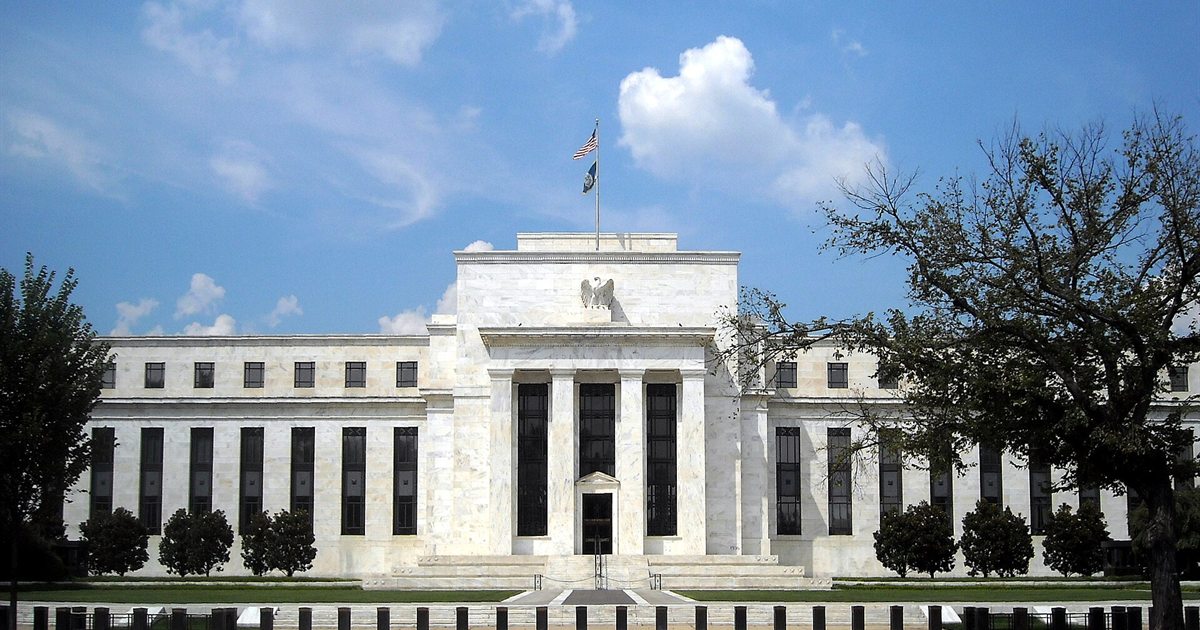
Photo: AgnosticPreachersKid / Wikimedia Commons, CC BY-SA 3.0, cropped
The 10-Year Treasury Yield Just Hit 5.35%, the Highest Since 2002. Here's What It Means for You
- The 10-year Treasury yield touched 5.35% on October 7, 2026, its highest level since 2002.
- A strong government bond sale pulled it back. It ended that day near 5.28% and slipped to about 5.23% on October 8.
- Fed minutes released October 7 show all 19 officials supported September's rate hike. Most expect one more hike this year.
- The Fed's rate is 3.75% to 4.00%. The next decision is October 28.
- Traders see roughly a 1-in-5 chance of a hike in October and better than 4-in-5 by December.
What happened
The 10-year Treasury yield is the interest rate the US government pays to borrow money for ten years. On Wednesday, October 7, it touched 5.35%. The last time it was that high was 2002.
It didn't stay there. The government sold a new batch of bonds that afternoon and buyers showed up in force. The yield fell back to about 5.28% by the close, then to roughly 5.23% on Thursday.
So the peak passed quickly. But the level is still far higher than most borrowers and investors are used to.
Why this one number matters so much
Banks and lenders use the 10-year yield as their starting point. When it rises, these follow:
- Mortgage rates. The 30-year mortgage tracks the 10-year yield closely.
- Car loans and business loans. Both get more expensive.
- Stock prices. If a safe bond pays over 5%, shares have to offer more to compete.
That last point showed up on Thursday. The Nasdaq fell 1.25%, its worst day since mid-August, with high yields named as one of the causes.
What the Fed said this week
The Federal Reserve published the minutes of its September meeting on October 7. That was the meeting where it raised rates for the first time since 2023, to a range of 3.75% to 4.00%.
Two details stood out:
- Nobody objected. All 19 officials around the table supported the hike.
- Most want one more. A majority said another increase would likely be appropriate before the end of the year.
The minutes did not say when. Markets think October 28 is too soon, putting the odds at roughly 17% to 24%. For the December meeting, the odds are above 80%.
Why yields keep climbing
- Oil. Crude is back above $100 a barrel after new attacks on tankers in the Gulf. Higher fuel costs feed inflation.
- The Fed. A central bank that is still raising rates pushes all yields up.
- Supply. The US and Europe are both borrowing heavily. More bonds for sale means buyers can ask for more interest. France's bond market has been under real stress this week.
What it means for you
If you're a saver: this is the best news in the story. Treasury bills, money market funds and high-yield savings accounts all pay well. See how to buy Treasury bills.
If you want to lock in a rate: longer Treasuries pay about 5%. The catch is that their prices drop if yields rise further. Our ranking of the highest-yielding Treasury ETFs shows how much some of them lost over the past year.
If you need a mortgage: rates are unlikely to fall while the 10-year yield sits above 5%. Budget for today's rate, not a hoped-for lower one.
If you own stock index funds: nothing to do. Higher yields can pull prices down in the short run, and they have before. Selling after the drop is what turns a dip into a loss.
What to watch next
- October 28: the Fed's next rate decision.
- Oil prices. A fall back below $100 would take pressure off.
- Bank earnings on October 13 and 14. Banks earn more when long-term rates are high, so their results will show who benefits.
Frequently asked questions
What is the 10-year Treasury yield today?
The 10-year Treasury yield touched 5.35% on October 7, 2026, its highest level since 2002. It closed that day near 5.28% and eased to about 5.23% on October 8.
Why are Treasury yields so high in October 2026?
Three reasons. Oil is above $100 a barrel, which keeps inflation worries alive. The Federal Reserve raised rates in September and most officials expect to raise them again. And governments around the world are selling a lot of debt, so investors can demand higher interest.
Will the Fed raise rates again in 2026?
Probably, but not necessarily this month. Minutes of the September meeting show most Fed officials think one more increase will be appropriate by year-end. Markets price about a 17% to 24% chance of a move on October 28 and more than 80% by the December meeting.
Are high Treasury yields bad for stocks?
They make stocks harder to justify. When a government bond pays more than 5% with no default risk, investors want a bigger reward for owning shares. That pressure falls hardest on expensive growth and technology stocks.
How can I earn 5% on Treasuries?
You can buy Treasury notes and bonds through a brokerage account or TreasuryDirect, or own them through a Treasury ETF. Longer-term Treasuries pay the most right now, but their prices fall when yields keep rising.
Primary sources
- Federal Reserve — H.15 Selected Interest Rates (daily)
- CNBC — 10-year Treasury yield backs off from 24-year high after solid bond auction (Oct. 7, 2026)
- Reuters via Investing.com — Shares slip as oil jumps and bond yields stay high (Oct. 8, 2026)
- Babypips — September FOMC minutes back hawkish stance (Oct. 8, 2026)
Data & disclaimer: This article is for educational purposes only and is not financial or investment advice. Figures reflect data available as of Oct 9, 2026, and conditions change — always confirm current pricing, rates and rules with the provider before you act. Written by Elizabeta Dimoska. See our editorial standards and disclosure.
Comments