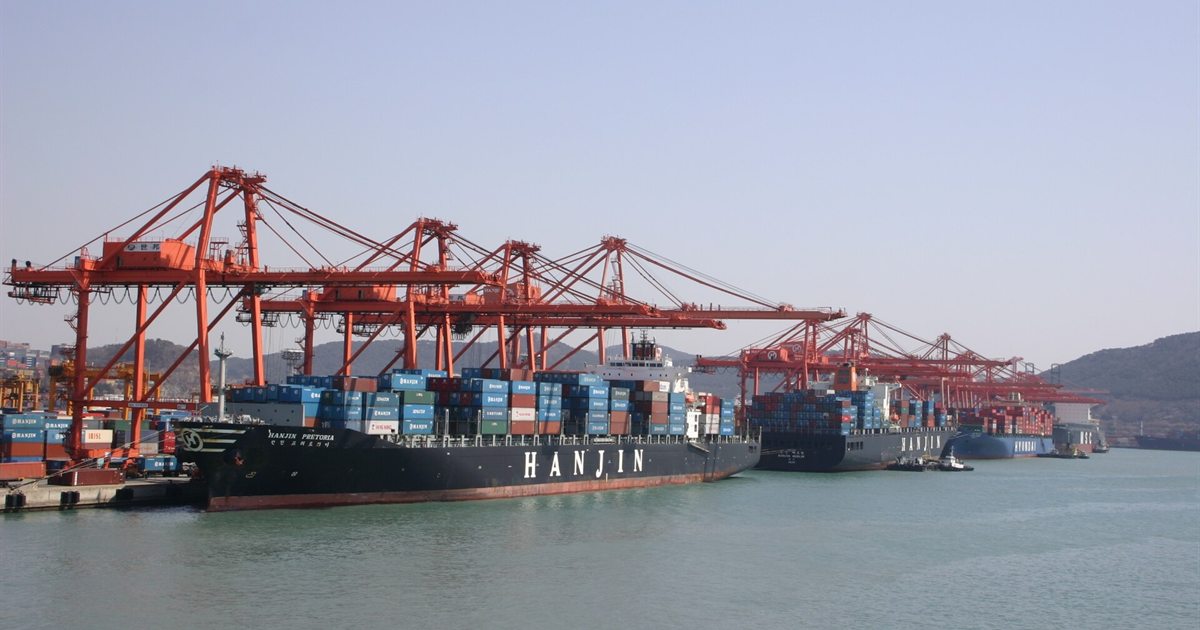
Photo: Niels Johannes / Wikimedia Commons, CC BY-SA 4.0, cropped
South Korea's Exports Just Smashed a Record at $120.9 Billion. Half of It Was Computer Chips
- South Korea's exports rose 83.5% from a year earlier to a record $120.9 billion in September 2026. Economists had expected a 62% rise.
- Semiconductor exports jumped 262.8% to $60.3 billion, the first month above $60 billion. That's 49.9% of everything Korea exported.
- Memory chip exports were $54.07 billion, up from $11.79 billion a year earlier.
- The trade surplus was $49.85 billion, a record and well above the $38.2 billion forecast.
- The KOSPI rose 1.95% on October 1, with Samsung Electronics up 2.79% and SK Hynix up 3.21%. The index closed back above 7,000 on October 2.
A record that isn't close
South Korea reports its trade numbers on the first day of each month, which makes it an early signal for the whole world economy. This month's numbers were extraordinary.
Exports in September were $120.9 billion, up 83.5% from a year ago. Economists expected a big number, around 62%. They still undershot by a wide margin.
The trade surplus, exports minus imports, was $49.85 billion. It had never been above $40 billion before.
One product is doing this
| September 2026 | Change from a year ago | |
|---|---|---|
| Total exports | $120.9 billion | +83.5% |
| Semiconductor exports | $60.3 billion | +262.8% |
| Memory chips only | $54.07 billion | +358.6% |
| Chips as a share of all exports | 49.9% |
Half of everything Korea sold abroad was semiconductors. A year ago, memory chip exports were $11.79 billion. Last month they were $54 billion.
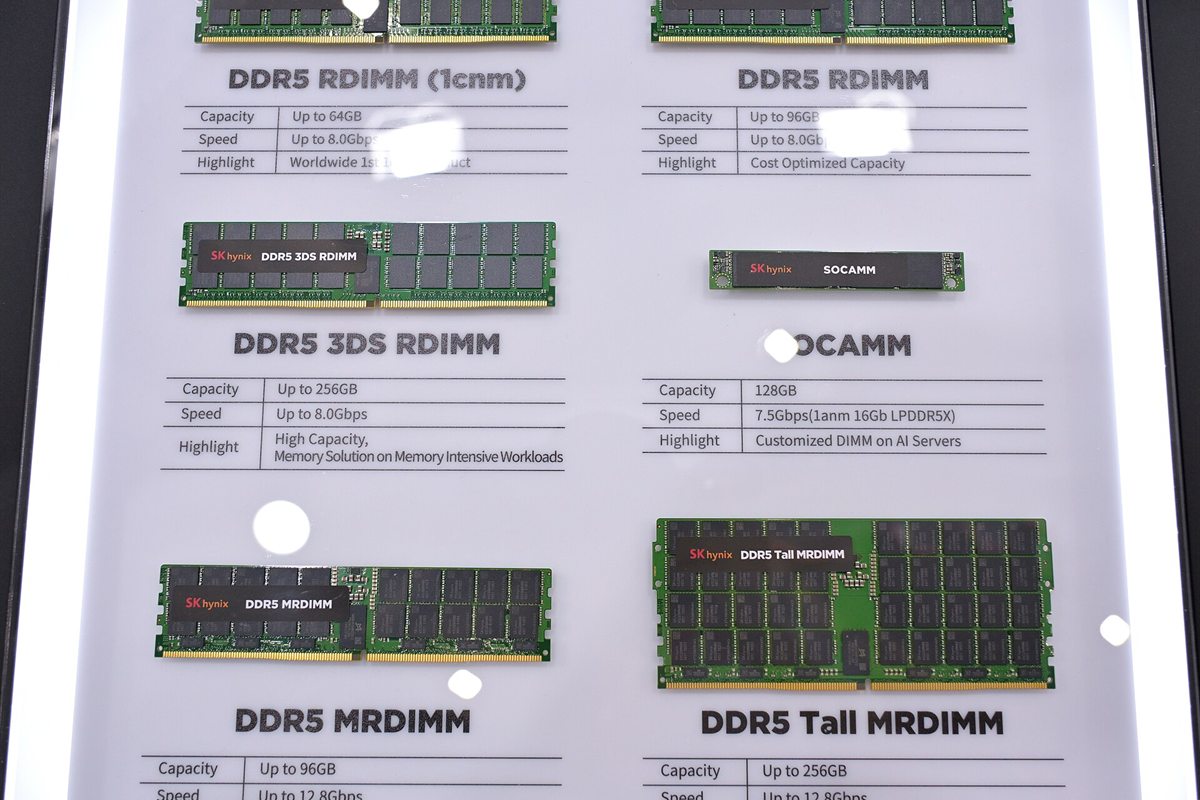
It's price more than volume. Memory chips are a commodity, and the AI build-out has created a shortage. According to Seoul Economic Daily, a standard DDR5 memory chip that sold for $37.50 in May sold for $48 in September. The high-end memory used in AI servers is expected to roughly double in price again next year.
Through September, Korea has already exported $814.5 billion this year, more than in all of 2025. It could pass $1 trillion by late November.
The stock market liked it
The KOSPI rose 1.95% on October 1, ending a three-day losing streak. Samsung Electronics gained 2.79% and SK Hynix gained 3.21%. The smaller-company KOSDAQ index jumped 4.48%. On October 2, the KOSPI closed back above 7,000.
The export data landed the same week Micron reported a record quarter and guided even higher. Micron, Samsung and SK Hynix are the three companies that make nearly all the world's memory, so good news for one is good news for all.
The catch
This is what a boom looks like in a cyclical industry. It's also what the top of one can look like.
Memory chips have gone through this many times. Prices spike, every producer builds more factories, supply floods in, and prices collapse. Korean stocks have already shown how fast sentiment can turn: the KOSPI dropped 2.7% in a single day on September 28 when oil prices jumped.
And when half of a country's exports are one product, the whole economy rides that product. The currency, tax revenue, jobs and the stock market all depend on memory prices staying high. We've written about this concentration before in The KOSPI Is a Two-Stock Index.
How to invest in it, sensibly
You may already own it. Samsung and SK Hynix are large holdings in most emerging-markets and Asia ETFs. If you own a global fund, check before you add more.
A Korea ETF is a concentrated bet. Funds like the iShares MSCI South Korea ETF (EWY) hold a large share in just two stocks. Treat it as a small satellite position, not a core holding.
Don't chase a record. The best export month in history is, by definition, a hard act to follow. If you want exposure, adding a little at a time over months reduces the risk of buying the peak.
Think about what you already have. If you own a Nasdaq or S&P 500 fund, you already have a lot riding on AI spending. Korea is another way to own the same theme. See how much AI you already own.
The bottom line
Korea's numbers confirm that AI spending is real and still accelerating. They also show how much of Asia's growth now rests on a handful of chip companies. Enjoy the boom, but size your position for the bust that eventually follows every memory cycle.
Frequently asked questions
How much did South Korea export in September 2026?
South Korea exported a record $120.9 billion of goods in September 2026, up 83.5% from a year earlier. It was the first month above $120 billion.
Why are Korean chip exports growing so fast?
Demand for memory chips used in artificial intelligence data centres has pushed prices sharply higher. Samsung Electronics and SK Hynix are two of the world's three big memory makers. September chip exports were $60.3 billion, more than triple the level a year earlier.
What is the KOSPI?
The KOSPI is South Korea's main stock index, similar to the S&P 500 in the US. It is heavily weighted toward two companies, Samsung Electronics and SK Hynix, so it tends to rise and fall with the memory chip industry.
How can I invest in South Korea?
The simplest ways are a South Korea country ETF, such as the iShares MSCI South Korea ETF (EWY) in the US, or a broad emerging-markets or Asia-Pacific ETF that includes Korea. Both give you Samsung and SK Hynix along with other Korean companies. A country ETF is concentrated and volatile, so most investors keep it to a small part of a portfolio.
Is it risky that half of Korea's exports are chips?
Yes. Memory chips are a boom-and-bust business. When supply catches up with demand, prices can fall quickly, and Korea's exports, currency and stock market would all feel it. The KOSPI has already had sharp drops in 2026.
Primary sources
- Seoul Economic Daily — Chip boom lifts September exports past $120 billion for first time
- Reuters via Investing.com — South Korean shares end nearly 2% higher on record chip exports
- Korea JoongAng Daily — Kospi rises nearly 2% as Samsung Electronics, SK hynix chip stocks rally
- Trading Economics — South Korea stock market (KOSPI)
Data & disclaimer: This article is for educational purposes only and is not financial or investment advice. Figures reflect data available as of Oct 3, 2026, and conditions change — always confirm current pricing, rates and rules with the provider before you act. Written by Elizabeta Dimoska. See our editorial standards and disclosure.
Comments