Financial Statement Analysis
This course teaches a learner to read, connect and question the three financial statements of any public company. This free course by Elizabeta Dimoska runs to ten modules and about 20 study hours.
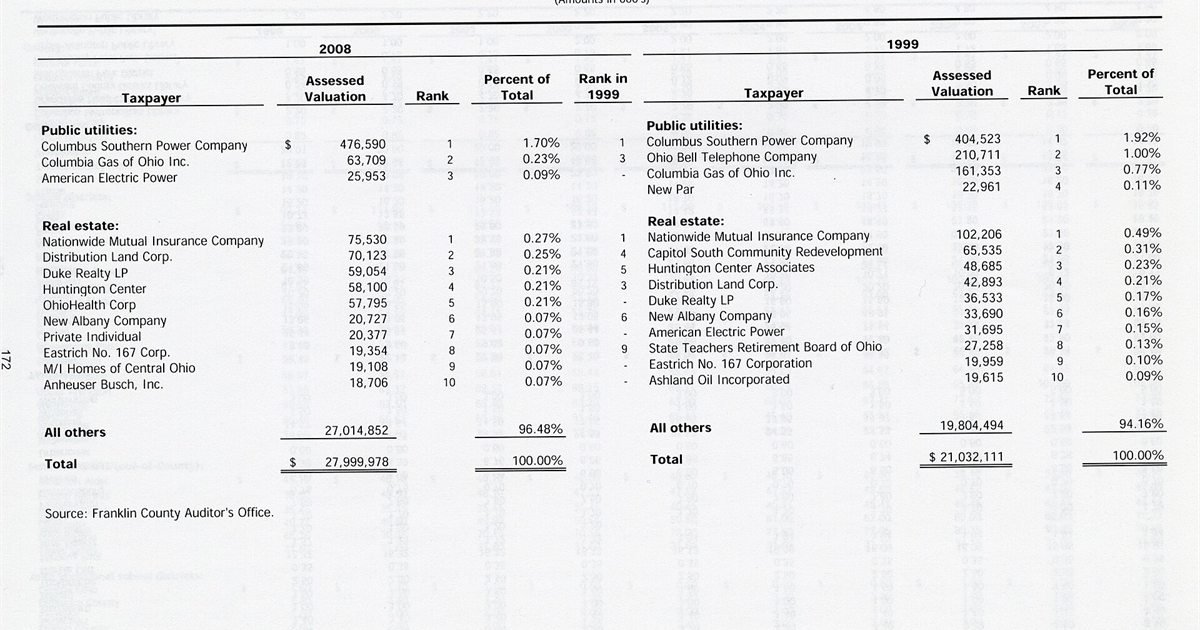
Photo: Franklin County (Ohio) County Auditor's Office, Public domain, via Wikimedia Commons (cropped).
Start Module 1 →What you'll be able to do
- Find and navigate an annual report.
- Explain every major line on the balance sheet, income statement and cash flow statement.
- Trace one transaction through all three statements.
- Calculate and interpret 15 core ratios.
- Spot the common warning signs of low-quality earnings.
The syllabus
Ten modules and about 20 study hours in all: short, dense lessons (about 64 minutes of reading), then the worked problems, practice missions, quizzes and the capstone.
Your notes
Every note you take in a module collects here. They're stored only in this browser, so export them to keep them.
Common questions
Is RS 201 really free?
Yes. All ten modules, the quizzes, the capstone, the 20-question final exam and the certificate are free and need no sign-up. Your progress, scores and notes are saved privately in your own browser.
What should I know before starting?
The suggested prerequisite is Advanced (Course 3). The 200-level courses can be taken in any order once the prerequisite is done.
How long does it take?
About 20 study hours. The reading itself is short and dense, about 64 minutes; most of the time goes on the worked problems, the practice missions, the quizzes and the capstone.
Is the course for Canadian or US investors?
Both. Where rules, terms or tax treatment differ between Canada and the United States, the module says so and names both versions.
Is the certificate a professional qualification?
No. It is a certificate of completion from a free educational course. It is not a licence, an accreditation or a professional designation.
Who wrote this course?
It was written by Elizabeta Dimoska, founder and writer of RiskStock. RiskStock is educational and is not a registered dealer or adviser.
Keep learning
Related on RiskStock: Financial statements in How to Price a Stock · How to read an earnings report · Research a company · All nine university-level courses
Educational content only — not investment, tax or legal advice. Companies, tickers and figures in this course are illustrative examples, not recommendations to buy or sell any security. Regulatory figures, limits and tax rules change; confirm current details with the regulator or tax authority. Worked examples are not forecasts. RiskStock is not a registered dealer or adviser, and its certificates are certificates of completion, not licences. Course written by Elizabeta Dimoska.