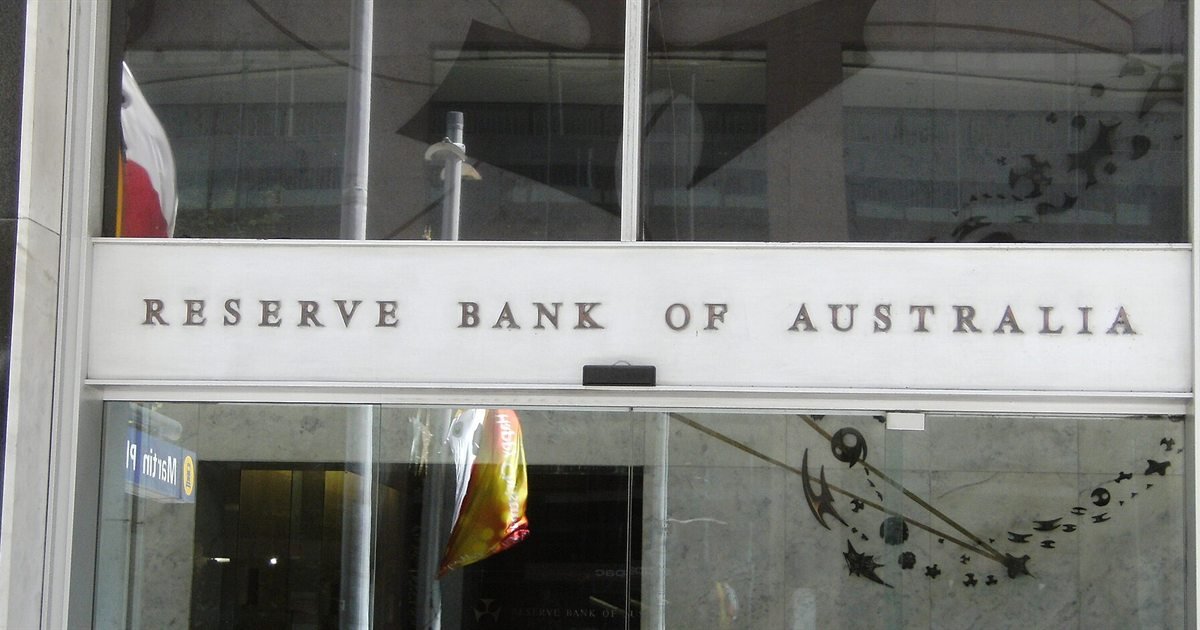
Photo: Danausi / Wikimedia Commons (public domain)
Australia's Reserve Bank Hikes to 4.85%, an 18-Year High, in a Split 6-3 Vote: Is This the Last One?
- The RBA raised the cash rate target by 25 basis points to 4.85% on Tuesday, November 3, 2026 (Melbourne Cup Day).
- It is the fifth hike of 2026 and the highest rate since 2008.
- The vote was 6–3: three members wanted to hold at 4.60%.
- The Bank cited elevated inflation, the war in the Middle East and higher oil prices.
- The statement dropped September's line about raising rates further if needed. Governor Michele Bullock hinted the next decision could be a hold. The next meeting is December 8.
The decision
The Reserve Bank of Australia raised its cash rate target by a quarter point to 4.85% on Tuesday, November 3, the day of the Melbourne Cup. It's the fifth increase of 2026 and takes Australian rates to their highest level since 2008.
The board was split. Six members voted to hike; three wanted to hold at 4.60%.
Why it hiked
The Bank pointed to three things:
- Inflation is still too high. Price pressures have proved stickier than expected.
- The war in the Middle East has pushed up energy costs.
- Higher oil prices are feeding into fuel, freight and airfares.
Australia is part of a wave of central banks raising rates into an energy shock. The Bank of England is expected to hike on Thursday (preview), and the Bank of Canada hiked last week. The Bank of Japan held at 1.25% (our report). Read our explainer on how the 2026 oil shock is forcing central banks to hike.
Why this may be the last one
Look at what the RBA didn't say:
- The statement no longer includes September's line about raising the cash rate further if needed.
- Governor Michele Bullock reportedly hinted the next decision could be a hold.
- Three dissenters already think rates are high enough.
Oil also fell this week on hopes for US–Iran talks (sector report), which could take some pressure off inflation.
Who feels it
| Group | Effect of a 4.85% cash rate |
|---|---|
| Mortgage holders | Most Australian home loans are variable, so repayments rise quickly. Australian media described it as a "brutal ripple effect" for millions of borrowers |
| Savers | Better deposit rates |
| ASX banks | Wider margins, but more risk of loan arrears |
| Property and retail stocks | Usually hurt by higher rates |
| Australian dollar | Higher rates tend to support it |
What it means for North American investors
Australia makes up a small slice of most international ETFs, typically a few percent, so the direct impact on a diversified portfolio is limited. But the decision matters as a signal: central banks are still fighting energy-driven inflation, which keeps bond yields high worldwide.
If you hold Australian stocks or an Australia ETF, a stronger Aussie dollar raises their value when converted back to US or Canadian dollars.
What to watch next
- Late November: Australia's monthly inflation indicator.
- December 8: Next RBA decision.
- This week: Bank of England (Thursday) and US jobs (Friday).
Frequently asked questions
What is the RBA cash rate now?
The Reserve Bank of Australia's cash rate target is 4.85% after a 25 basis point increase on November 3, 2026. It is the highest level since 2008.
Why did the RBA raise rates in November 2026?
The Bank pointed to inflation that remains too high, the war in the Middle East and rising oil prices, which are pushing up fuel and transport costs across the economy.
How many times has the RBA raised rates in 2026?
Five times. The November 3 increase was the fifth hike of the year.
Will the RBA raise rates again in December 2026?
It may not. Three of nine board members voted to hold, the statement dropped language about raising rates further if needed, and Governor Michele Bullock hinted the next decision could be a hold. The next meeting is December 8.
How do Australian rate hikes affect global investors?
Higher Australian rates tend to support the Australian dollar and weigh on rate-sensitive sectors such as property and consumer stocks. For North American investors, Australia is a small part of most international ETFs, so the direct effect is modest.
Primary sources
- Reserve Bank of Australia — Monetary policy decision and statement
- ABC News — RBA hikes cash rate to 18-year high of 4.85 per cent
- SBS News — RBA's Cup Day call takes rates to 18-year high; board divided over decision
- Yahoo Finance Australia — RBA interest rate decision live
- Babypips — RBA raises cash rate to 4.85% in a 6-3 split vote
Data & disclaimer: This article is for educational purposes only and is not financial or investment advice. Figures reflect data available as of Nov 4, 2026, and conditions change — always confirm current pricing, rates and rules with the provider before you act. Written by Elizabeta Dimoska. See our editorial standards and disclosure.
Comments