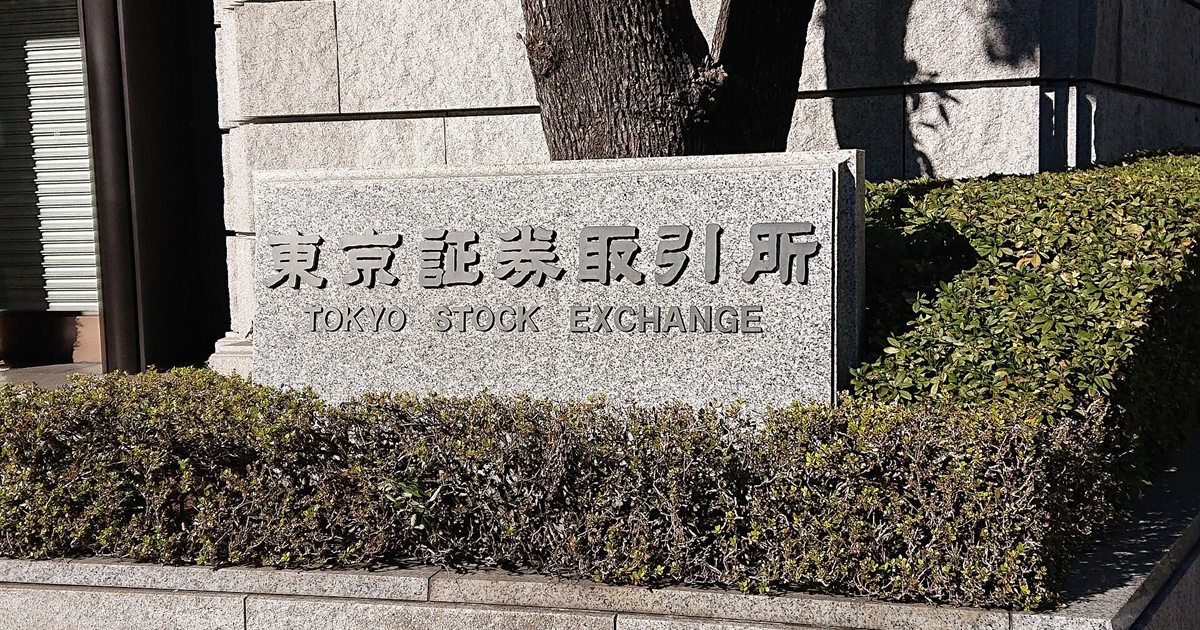
Photo: Lombroso / Wikimedia Commons, CC BY-SA 4.0, cropped
Nikkei Plunges Nearly 5% Intraday as US Midterms Hit Japan's AI Stocks: SoftBank, Kioxia and Advantest Tumble
- The Nikkei 225 fell as much as about 4.8% to roughly 60,030, a five-month low, on Wednesday, November 4, before closing about 1.4% lower at 62,188.63, according to CNBC.
- SoftBank Group fell more than 8% at one point; memory maker Kioxia fell about 13%; chip-test maker Advantest fell roughly 6%–8%.
- The trigger: fears that a Democratic Congress could bring tighter rules on AI data-center projects and slower AI infrastructure spending.
- A stronger yen also hurt exporters.
- Hong Kong's Hang Seng rose about 1%–1.7%. China's central bank raised the foreign-currency reserve requirement for banks to 6% from 4%, effective November 15, a move that supports the yuan.
Tokyo took the hit
While Wall Street rallied on the US midterm results (our report), Tokyo did the opposite.
The Nikkei 225 fell as much as about 4.8% on Wednesday, November 4, to roughly 60,030, a five-month low. Buyers stepped in later, and the index closed about 1.4% lower at 62,188.63, according to CNBC.
The AI stocks that dragged it down
| Stock | What it does | Approx. move |
|---|---|---|
| Kioxia | Flash memory chips | About -13% |
| SoftBank Group | AI investor, data-center backer | More than -8% at one point |
| Advantest | Chip testing equipment | About -6% to -8% |
SoftBank alone knocked more than 200 points off the Nikkei by the morning break, according to Japanese market reports.
Why a US election hit Japan
AI regulation fears. Investors worried that a Democratic Congress could bring tighter rules for AI data-center projects and slow spending on AI infrastructure. Japan's market leans heavily on companies that supply that build-out: chips, memory, testing equipment and SoftBank's investments.
That's also why AI data-center operators like CoreWeave fell in the US even as the broader market rallied.
A stronger yen. The US dollar fell after the results, and a stronger yen reduces the value of Japanese exporters' overseas profits.
Positioning. The Nikkei has had a huge run on the AI theme, so investors were quick to take profits. Our analysis of whether Asia's AI bubble is bursting covers the risks.
Elsewhere in Asia
- Hong Kong: The Hang Seng rose about 1%–1.7%, helped by the global relief rally.
- China: The People's Bank of China raised the foreign-currency reserve requirement for banks to 6% from 4%, effective November 15. Making banks hold more foreign currency reduces the supply of dollars in China and supports the yuan.
- Australia: The RBA raised rates to an 18-year high on Tuesday (our report).
What it means for you
- Japan is an AI trade now. If you own a Japan ETF, a meaningful share is in chip and tech stocks. Know what you own.
- AI exposure adds up. Between US big tech, Japanese chip suppliers and Korean memory makers, many portfolios are more concentrated in AI than investors realize. See how much AI you already own.
- Don't chase the bounce or the drop. Our guide to investing in Japan's Nikkei covers hedged vs. unhedged ETFs and how to add exposure gradually.
What to watch next
- Mid-November: Nvidia's earnings, the next big test for AI stocks globally.
- Rest of the week: Final US race calls and Friday's US jobs report.
- December: Bank of Japan's next policy meeting.
Frequently asked questions
Why did the Nikkei fall on November 4, 2026?
Investors worried that Democratic control of the US Congress could lead to tighter rules on AI data-center projects and slower AI infrastructure spending. Japan's market is heavy in AI-linked stocks such as SoftBank Group, Kioxia and Advantest, which fell sharply. A stronger yen also hurt exporters.
How much did the Nikkei fall?
The Nikkei 225 fell as much as about 4.8% intraday to roughly 60,030, a five-month low, before paring losses to close about 1.4% lower at 62,188.63, according to CNBC.
Why did SoftBank stock fall?
SoftBank Group is one of the biggest investors in AI, including large commitments to AI data-center projects. Fears about tighter US rules on data centers hit it hardest; the stock fell more than 8% at one point.
Why did Hong Kong rise when Tokyo fell?
Hong Kong's market is less exposed to US AI infrastructure spending and more to Chinese consumer and financial stocks, which benefited from the global relief rally and a weaker US dollar.
Is it a good time to invest in Japanese stocks?
Nobody can time a bottom. The Nikkei is still up strongly over the past year. For most investors, a broad Japan or international ETF bought steadily over time is more sensible than trying to trade one day's drop.
Primary sources
- CNBC — Stock market today: live updates (Asia, Nov. 4, 2026)
- Business Recorder — Japan's Nikkei drops 3% as Democratic gains in US midterms hit AI stocks
- Yahoo Finance — Kioxia fell 13% and SoftBank fell 7% as the blue wave hit Tokyo
- Euronews — Asian stocks and dollar fall as Democrats gain ground in US midterms
- Trading Economics — Japan stock market index (JP225)
Data & disclaimer: This article is for educational purposes only and is not financial or investment advice. Figures reflect data available as of Nov 4, 2026, and conditions change — always confirm current pricing, rates and rules with the provider before you act. Written by Elizabeta Dimoska. See our editorial standards and disclosure.
Comments