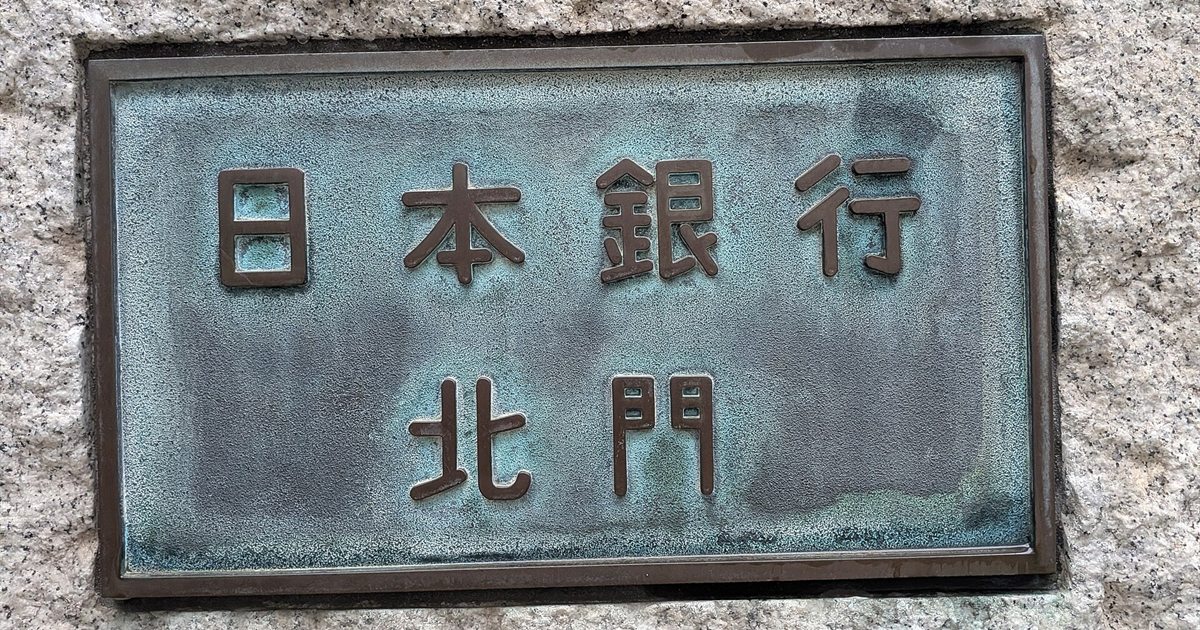
Photo: Syced / Wikimedia Commons (public domain)
Bank of Japan Decides Friday: Hold at 1.25% Expected, but a December Hike and the Yen at 157 Are the Story
- The Bank of Japan ends its meeting on Friday, October 30. A CNBC survey found all 16 economists expect the policy rate to stay at 1.25%.
- The BOJ raised rates in September to 1.25%, the highest in 31 years. The vote was 7–2, with two members calling the move premature.
- Japan's core inflation was 2.1% in September, the highest this year, driven by a weak yen and energy.
- All survey respondents expect the BOJ to set the stage for a hike in December or January. Reuters sources say it may raise its inflation forecast in its quarterly outlook report.
- The yen traded near 157–158 per US dollar, close to levels that have triggered intervention warnings.
What happens Friday
The Bank of Japan ends its two-day meeting on Friday, October 30. The decision usually comes around midday in Tokyo, which is late Thursday night in North America. Governor Kazuo Ueda speaks afterward, and the BOJ releases its quarterly Outlook Report with new growth and inflation forecasts.
A CNBC survey of 16 economists found all 16 expect the policy rate to stay at 1.25%.
How Japan got here
For decades, Japan fought deflation with zero or negative interest rates. That era is over.
- September 2026: The BOJ raised its policy rate to 1.25%, the highest in 31 years. The vote was 7–2; two members argued it was too soon.
- September core inflation: 2.1%, the highest this year, pushed up by a weak yen that makes imports more expensive and by higher energy prices.
- Reuters reported the BOJ is likely to keep its focus on rising inflation risks and may raise its inflation forecast for next fiscal year because of oil prices, leaving room for a hike as soon as December.
The real story is guidance
Every survey respondent told CNBC they expect the BOJ to set the stage for a hike in December or January. Investors will listen for:
- Whether Ueda says inflation is now sustainably at 2%. That would be the clearest signal of more hikes.
- The new inflation forecasts. Higher numbers mean more pressure to act.
- Comments on the yen. The BOJ doesn't target the currency, but a weak yen feeds inflation.
The yen at 157
The yen traded near 157–158 per US dollar this week; USD/JPY closed Tuesday around 157.86. That's close to levels where Japanese officials have warned about, and sometimes carried out, currency intervention. See our report on the yen at 157.
Nine of the CNBC respondents expect the yen to stay between 157 and 158 over the next month. A surprise hike or a hawkish tone could strengthen it quickly.
Why it matters globally
The carry trade. For years, investors borrowed cheaply in yen and invested in higher-yielding assets elsewhere. When Japanese rates rise or the yen jumps, those trades get unwound, sometimes violently. That was a key cause of the global market wobble in August 2024. Our explainer on Japan's bond market and the carry trade walks through how it works.
Japanese stocks. The Nikkei 225 jumped 1.7% to 63,268 on Tuesday, led by chip-equipment makers. A stronger yen tends to hurt exporters like automakers but helps importers and domestic consumers.
Bond yields. Higher Japanese yields can pull money back home from US and European bonds, adding upward pressure on global yields.
What it means for you
- If you own Japanese stocks or an international ETF: Currency moves can matter as much as stock moves. A stronger yen raises the value of unhedged Japanese holdings in US or Canadian dollars.
- If you're travelling to Japan: The yen is still near multi-decade lows against the dollar. That could change if the BOJ turns more hawkish.
- Don't trade the meeting. Central bank surprises are hard to predict. A diversified portfolio is built to absorb them.
What to watch next
- Friday, October 30: BOJ decision, Outlook Report and Ueda's press conference.
- December 2026: Next BOJ meeting, where a hike is widely expected.
- US Fed decision, also this week (our preview).
Frequently asked questions
When is the Bank of Japan's October 2026 decision?
The Bank of Japan's two-day meeting runs October 29–30, 2026. The decision is usually released around midday Tokyo time on Friday, October 30, which is Thursday night in North America, followed by Governor Kazuo Ueda's press conference and the quarterly Outlook Report.
What is the Bank of Japan interest rate now?
The BOJ's short-term policy rate is 1.25%, its highest level in 31 years, after a hike in September 2026 that passed on a 7–2 vote.
Will the BOJ raise rates in October 2026?
It isn't expected to. All 16 economists in a CNBC survey expect a hold. They broadly expect the next hike in December 2026 or January 2027.
Why is the yen so weak in 2026?
Interest rates in the US are still far higher than in Japan, so investors earn more holding dollars. High oil prices also hurt Japan, which imports almost all its energy. The yen traded near 157–158 per dollar in late October.
What does the BOJ decision mean for investors outside Japan?
A more hawkish BOJ strengthens the yen, which raises the value of Japanese stocks for foreign investors but can hurt Japanese exporters. It can also unwind the 'carry trade,' where investors borrow cheaply in yen to buy other assets, which has caused sudden global sell-offs before.
Primary sources
- Bank of Japan — Monetary Policy Meetings schedule
- CNBC — Bank of Japan is expected to hold rates this week but stay hawkish: CNBC survey (Oct. 27, 2026)
- US News (Reuters) — Bank of Japan may raise inflation forecast, stand pat on rates, sources say (Oct. 20, 2026)
- Investrade — Market Review: October 27, 2026 (USD/JPY)
Data & disclaimer: This article is for educational purposes only and is not financial or investment advice. Figures reflect data available as of Oct 28, 2026, and conditions change — always confirm current pricing, rates and rules with the provider before you act. Written by Elizabeta Dimoska. See our editorial standards and disclosure.
Comments