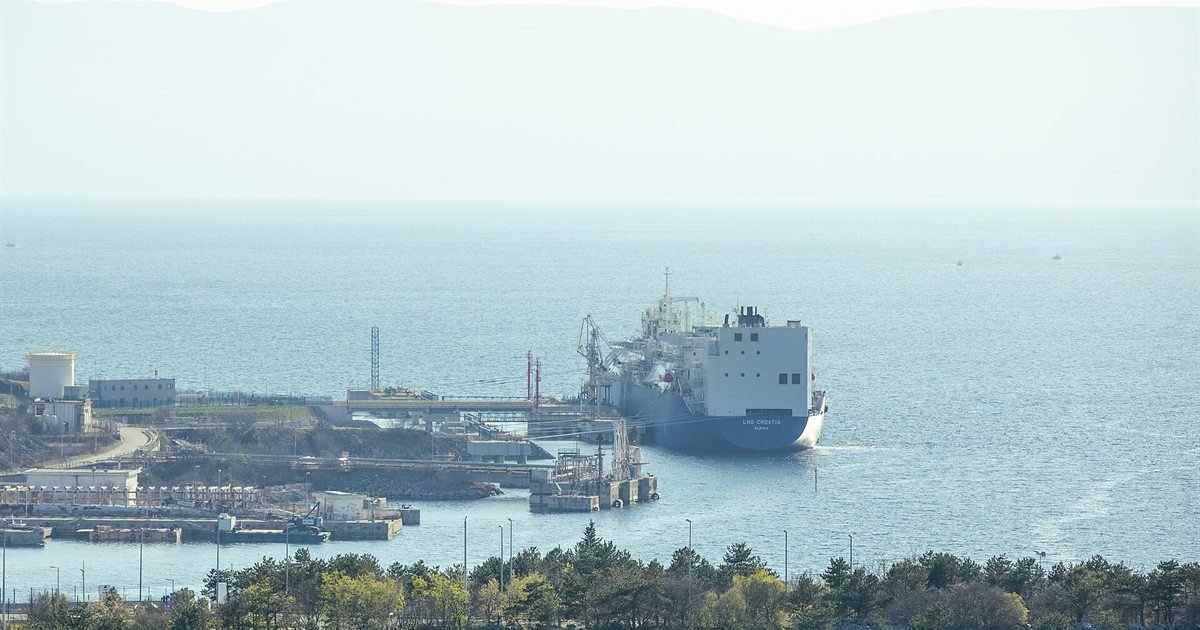
Photo: Jernej Furman from Slovenia / Wikimedia Commons, CC BY 2.0, cropped
Oil Falls Below $104 on US-Iran Peace Talk Hopes After a 7.6% Plunge: What It Means for Energy Stocks and Gas Prices
- Brent fell 7.6% to $104.77 a barrel on Monday, November 2, then another $1.17 to $103.60 on Tuesday, November 3. WTI settled at $96.09.
- Traders are betting on progress in Qatar-mediated US–Iran negotiations. Brent was near $114 a week earlier.
- Iran said it won't accept diplomacy based on coercion, and reports said the US struck Iran's Qeshm Island, keeping escalation risk alive.
- Goldman Sachs raised its December Brent forecast to $105 and its 2027 average to $88, but warned prices could hit $140 if Gulf output stays 3.5 million barrels a day below 2025 levels.
- Oil fell further on November 4, helping the global stock rally after the US midterms.
Oil's sharp reversal
After weeks near record territory, oil prices tumbled to start the week.
| Date | Brent settle | Change |
|---|---|---|
| ~Oct. 27 | ~$114 | (our report) |
| Mon., Nov. 2 | $104.77 | -7.6% |
| Tue., Nov. 3 | $103.60 | -$1.17 |
US benchmark WTI settled at $96.09 on Tuesday. Source: CNBC.
Prices fell again on Wednesday, helping fuel the global stock rally after the US midterms (our report).
Why: hopes for a US–Iran deal
Traders are betting on progress in Qatar-mediated negotiations between the US and Iran. A deal could reopen some of the Gulf oil supply that has been disrupted since the conflict began. Read our explainer on the 2026 oil shock.
Why it could reverse
The talks are fragile:
- Iran's Foreign Ministry said Tehran won't accept diplomacy based on coercion.
- Reports said President Trump ordered strikes on Iran's Qeshm Island, near the Strait of Hormuz.
- Goldman Sachs raised its December Brent forecast to $105 a barrel and its 2027 average to $88, but warned prices could reach $140 if Gulf output stays about 3.5 million barrels a day below 2025 levels.
In other words: oil is pricing in a lot of hope.
Who wins and loses from cheaper oil
| Winners | Losers |
|---|---|
| Airlines and cruise lines | Oil producers (Exxon, Chevron, Canadian Natural, Suncor) |
| Trucking and delivery companies | Oilfield service companies |
| Consumers and retailers | The TSX energy sector |
| Central banks fighting inflation | Oil-exporting currencies (CAD, NOK) |
Refiners are mixed: what matters is the gap between crude and fuel prices, not the price of crude alone.
The inflation link
High oil prices are the main reason central banks are hiking. The RBA raised rates on Tuesday (report) and the Bank of England is expected to hike Thursday (preview). If oil keeps falling, it could give them room to pause.
What it means for you
- Gas prices typically follow crude with a lag of a few weeks.
- Energy stocks can fall fast when oil drops. If you own a TSX index fund, you have significant oil exposure. See our guide to what moves oil prices.
- Don't bet on headlines. Oil has swung by double digits in days several times this year.
What to watch next
- US–Iran talks and any ceasefire or sanctions news.
- OPEC+ output decisions.
- Weekly EIA inventory data every Wednesday.
Frequently asked questions
Why are oil prices falling in November 2026?
Traders are betting that Qatar-mediated talks between the US and Iran will make progress, which could restore some Middle East oil supply. Brent fell 7.6% on November 2 and another $1.17 to $103.60 on November 3.
What is the price of Brent crude?
Brent settled at $103.60 a barrel on November 3, 2026, down from around $114 a week earlier. WTI, the US benchmark, settled at $96.09. Prices move daily, so check a live quote.
Could oil prices go back up?
Yes. Iran has rejected what it calls coercive diplomacy, and reported US strikes on Qeshm Island keep the risk of escalation high. Goldman Sachs warned Brent could reach $140 if Gulf output stays about 3.5 million barrels a day below 2025 levels.
How do falling oil prices affect energy stocks?
Oil producers and the TSX energy sector usually fall when crude drops, while airlines, transport companies and consumer stocks tend to benefit. Refiners depend more on the gap between crude and fuel prices.
Will gas prices go down?
Pump prices usually follow crude with a lag of a few weeks. If Brent stays near or below $104, gasoline prices should ease, though refining margins, taxes and seasonal factors also matter.
Primary sources
- CNBC — Crude oil prices sell off more than 7% on Iran peace talk hopes
- CNBC — Crude oil prices fall for second day as market hopes for diplomatic resolution
- Gulf News — Brent, WTI, Murban slide as Iran peace hopes outweigh fresh supply fears
- OilPrice.com — Trump bombs Iran, talks peace, and sends oil prices tumbling
- U.S. Energy Information Administration — Petroleum and other liquids prices
Data & disclaimer: This article is for educational purposes only and is not financial or investment advice. Figures reflect data available as of Nov 4, 2026, and conditions change — always confirm current pricing, rates and rules with the provider before you act. Written by Elizabeta Dimoska. See our editorial standards and disclosure.
Comments