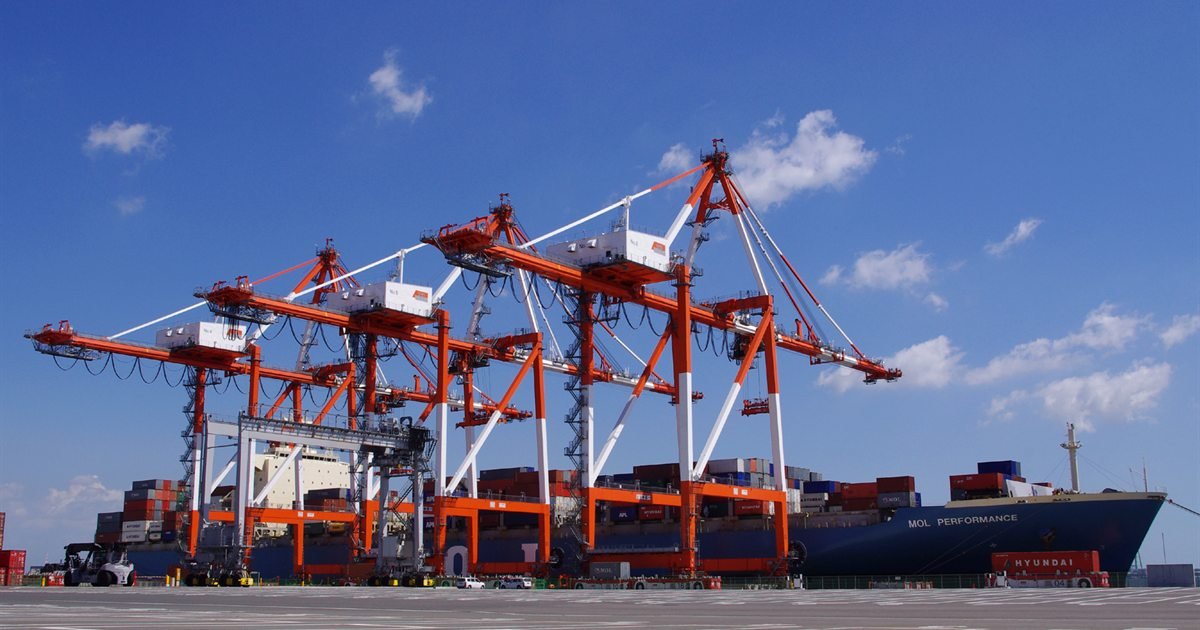
Photo: ccfarmer / Wikimedia Commons, CC BY 3.0, cropped
Japan's Exports Jump 20.5% to a Record on Chip Equipment as Kospi Reclaims 5,000 After Nvidia: What It Means for Asian Stocks
- Japan's exports rose 20.5% from a year earlier in October, beating the 20% forecast. The value, about ¥11.8 trillion, was the highest for any month on record, according to Xinhua.
- Chip-making equipment exports jumped 49.7%. Car exports rose 19.9%. Exports to the US rose 23.9% and to China 13.3%.
- Imports rose 21.6% as the cost of crude oil jumped 60.5%. Japan ran a ¥476.5 billion trade deficit, its sixth in a row.
- South Korea's Kospi rose 1.99% to 5,067.44 on November 18, back above 5,000 a day after its first close below that level since February. SK hynix rose 4.2%.
- Japan's Nikkei 225 rose about 0.3% to roughly 59,000, while the broader Topix slipped 0.4%.
Japan's exports hit a record on AI demand
Japan's exports rose 20.5% in October from a year earlier, provisional Ministry of Finance data showed on Wednesday, November 18. That beat the 20% forecast and followed a revised 16.5% gain in September. Xinhua reported the value, about ¥11.8 trillion, was the highest for any single month on record.
The driver was the AI build-out:
- Semiconductor-making equipment: up 49.7% in value. These are the machines, from makers such as Tokyo Electron and Advantest, that chip factories need to produce AI processors and memory.
- Cars: up 19.9%.
- By destination: exports to the US rose 23.9%, to China 13.3%, and to the rest of Asia about 22%. Shipments to Taiwan, home of the world's biggest contract chipmaker, jumped more than 40%.
One caveat: export volumes rose only about 5.8%, according to Xinhua, so higher prices explain much of the jump in value.
Oil keeps Japan in the red
Imports rose 21.6%, less than the 25.8% analysts expected. The value of crude oil imports jumped 60.5% even though volumes fell slightly. Oil prices remain high because of the war involving Iran, and Japan has been buying more oil from the US as Middle East shipments slowed.
The result was a ¥476.5 billion trade deficit, Japan's sixth in a row.
Strong exports matter because Japan's economy shrank 0.1% at an annualized rate in the third quarter, and trade has been one of its few sources of growth. The yen traded around 159.5 per US dollar, close to the 160 level where Tokyo has stepped in before (our BOJ report).
Korea's Kospi bounces back above 5,000
On Tuesday, Asian chip stocks sold off ahead of Nvidia's earnings. Korea's Kospi fell 2.6% to 4,968.48, its first close below 5,000 since early February, and Japan's Nikkei 225 lost 1.3% to 58,860.43.
On Wednesday, Nvidia's stronger-than-expected results and $130 billion revenue forecast eased some of those fears (our Nvidia report):
| Index / stock | Nov 18 close | Change |
|---|---|---|
| Kospi | 5,067.44 | +1.99% |
| SK hynix | ₩1,144,000 | +4.2% |
| Samsung Electronics | ₩194,700 | +2.3% |
| Nikkei 225 | ~59,000 | ~+0.3% |
| Topix | ~3,824 | –0.4% |
| Taiex (Taiwan) | 40,194.91 | +0.3% |
| Hang Seng | 23,294.75 | –0.9% |
The bounce is small next to the damage. Korean media reported that Samsung and SK hynix shares are roughly half their peaks, and the Kospi is far below its high (our report on the chip crash).
What it means for investors
- Asia is an AI-hardware market. Japan's equipment makers and Korea's memory makers rise and fall with US AI spending. Strong export data supports their earnings, but the stocks still swing with every Nvidia headline.
- Concentration risk is high in Korea. Two companies make up a large share of the Kospi. A broad Asia or emerging-markets ETF spreads that risk.
- Currency matters. A weak yen boosts Japanese exporters' profits but lowers the value of Japanese stocks for US and Canadian investors. Currency-hedged ETFs remove that effect, at a cost (our hedged vs unhedged guide).
What to watch next
- Later this month: Japan's October national consumer price data.
- December: the Bank of Japan's next policy meeting, with the yen near 160.
Frequently asked questions
How much did Japan's exports rise in October 2026?
Japan's exports rose 20.5% from a year earlier in October 2026 to about 11.8 trillion yen, according to provisional Ministry of Finance data released on November 18. That beat the 20% gain economists expected and, according to Xinhua, was the highest monthly value on record.
Why are Japan's exports rising so fast?
Demand for AI hardware. Exports of semiconductor-making equipment rose 49.7% in value, and electronic parts also surged. Car exports to the US rose strongly too. Export volumes rose a more modest 5.8%, so higher prices explain much of the gain.
Why does Japan still have a trade deficit?
Energy. Japan imports nearly all its oil, and the value of crude imports rose 60.5% as prices stayed high and Japan shifted some purchases to more expensive US oil. Imports rose 21.6%, leaving a 476.5 billion yen deficit.
Why did the Kospi rise on November 18, 2026?
Nvidia reported results and guidance that beat expectations, easing fears about AI spending. Memory-chip makers SK hynix and Samsung Electronics, which supply AI chipmakers, rose 4.2% and 2.3%, lifting the Kospi 1.99% to 5,067.44.
How can I invest in Japan or Korea from the US or Canada?
The simplest route is a broad ETF that holds Japanese or Korean stocks, or an international or emerging-markets ETF that includes them. Single-country funds are more volatile, and Korea's market is heavily concentrated in Samsung and SK hynix.
Primary sources
- CNBC — Japan exports in October surge 20.5%, beating estimates on robust chip shipments
- Xinhua — Japan logs 476.5 bln yen trade deficit in October
- Japan Customs (Ministry of Finance) — Trade statistics, October 2026 (provisional)
- MoneyToday — Institutions lift KOSPI above 5,000 as Samsung and SK hynix climb on Nvidia's results
- Saxo — Asia Market Quick Take, 18 November 2026
Data & disclaimer: This article is for educational purposes only and is not financial or investment advice. Figures reflect data available as of Nov 19, 2026, and conditions change — always confirm current pricing, rates and rules with the provider before you act. Written by Elizabeta Dimoska. See our editorial standards and disclosure.
RiskStock is independent and free to read. No paywall, no paid placements. If this piece helped you, you can support our work.
☕ Buy me a coffee
Comments