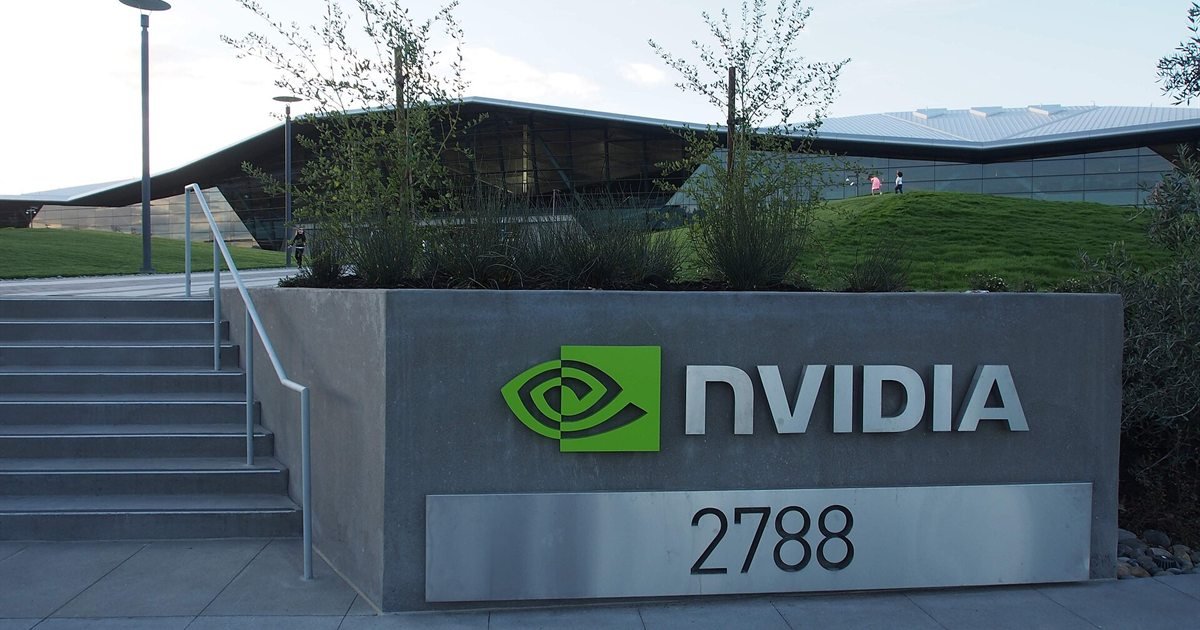
Photo: Daniel J. Prostak / Wikimedia Commons, CC BY-SA 4.0, cropped
Nvidia Q3 2027 Earnings: Revenue Doubles to $115.8 Billion and It Guides to $130 Billion, So Why Did the Stock Fall?
- Revenue: $115.8 billion, up 103% from a year earlier and 20% from last quarter. Analysts expected about $109 billion.
- Data Center: $107.6 billion, up 110%. Earnings per share: $2.68 adjusted vs about $2.47 expected.
- Q4 outlook: $130 billion, plus or minus 3%, vs about $125 billion expected. Nvidia assumes no China data center compute revenue.
- Gross margin: 74.8% (GAAP), guided down to 71%–72% next quarter.
- Stock: rose after hours, then closed down 2.9% at $150.96 on November 18. It was Nvidia's first report since Jensen Huang resigned as CEO; CFO Colette Kress is interim CEO.
A blowout quarter, by any measure
Nvidia reported results for its fiscal third quarter (ended October 25, 2026) after the bell on Tuesday, November 17.
| Q3 FY2027 | Year ago | Wall Street expected | |
|---|---|---|---|
| Revenue | $115.8B | $57.0B | ~$109.2B |
| Data Center revenue | $107.6B | — (+110%) | ~$101.9B |
| Edge Computing revenue | $8.2B | — (+42%) | ~$7.5B |
| Adjusted EPS | $2.68 | $1.27 | ~$2.47 |
| GAAP net income | $65.3B | — (+105%) | — |
| GAAP gross margin | 74.8% | 73.4% | — |
Expectations are the Bloomberg consensus as cited by Yahoo Finance.
It was Nvidia's first quarter with more than $100 billion in revenue. Free cash flow was about $43.8 billion, and the company returned $28.1 billion to shareholders through buybacks and dividends. It has about $227 billion left on its buyback authorization after adding $150 billion in September.
The outlook: $130 billion, without China
For the fourth quarter, Nvidia guided to revenue of $130 billion, plus or minus 3%, against forecasts of about $125 billion. Two details matter:
- The quarter has an extra week, which flatters the number.
- No China data center compute revenue is assumed. Interim CEO Colette Kress said on the call that Nvidia sold about $2.4 billion of Hopper products to China in the third quarter but is no longer shipping there.
Gross margin is expected to fall to 71%–72%, from about 75%.
So why did the stock fall?
Nvidia rose after hours, but the gains faded on Wednesday. The stock closed down 2.9% at $150.96 on very heavy volume, while rival AMD rose 5.3% and Broadcom 3.7%. Three things weighed on it:
1. Leadership. This was the first report since Jensen Huang, Nvidia's co-founder, resigned as CEO, president and director. The board said on November 12 that it does not intend to reinstate him. CFO Colette Kress is interim CEO, and the board, chaired by Harvey Jones, is searching for a permanent leader. Investors are pricing in uncertainty about who sets strategy for the world's most important AI company.
2. China and regulation. Losing China data center sales takes a market worth billions a quarter off the table, and investors are watching for further export restrictions.
3. The Fed and AI debt. Hours after Nvidia's rally faded, the Fed's October minutes flagged AI-related debt and circular financing as financial stability risks and showed officials expect more rate hikes (our Fed report). Higher rates put pressure on richly valued growth stocks, and Nvidia's biggest customers are funding much of their AI build-out with debt (how circular financing works).
Who else it moved
Nvidia's results lifted its suppliers. Korea's SK hynix and Samsung rose, pulling the Kospi back above 5,000, and Japan's chip-equipment exports were up nearly 50% in October (our Asia report). AMD, whose own data center business is booming (AMD Q3), had a better day than Nvidia itself.
All eyes now turn to Anthropic's Nasdaq debut, a test of how much investors will pay for AI growth (background).
What it means for investors
- You probably already own it. Nvidia is one of the largest weights in the S&P 500 and Nasdaq-100. If you hold an index fund, its swings already move your portfolio.
- Great results aren't always enough. When expectations are this high, a beat can still send the stock lower. Don't treat an earnings beat as a buy signal.
- Size matters more than timing. If one stock has grown to a large share of your portfolio, rebalancing reduces the damage from a leadership or regulatory surprise.
What to watch next
- Dividend: $0.25 per share, payable December 23 to holders of record on December 2.
- CEO search: any news on a permanent chief executive.
- Late February 2027: fiscal fourth-quarter results.
Frequently asked questions
How much revenue did Nvidia report for Q3 fiscal 2027?
Nvidia reported revenue of $115.8 billion for the quarter ended October 25, 2026, up 103% from a year earlier and 20% from the previous quarter. Data Center revenue was $107.6 billion, and adjusted earnings were $2.68 per share.
What is Nvidia's guidance for the next quarter?
Nvidia expects fourth-quarter fiscal 2027 revenue of $130 billion, plus or minus 3%, and gross margins of 71% to 72%. The quarter includes an extra week, and the outlook assumes no data center compute revenue from China. Analysts had expected about $125 billion.
Why did Nvidia stock fall after beating earnings?
Shares rose after hours but closed down 2.9% at $150.96 on November 18. Investors weighed leadership uncertainty after Jensen Huang's resignation, the loss of China data center sales, a lower margin outlook and a hawkish Federal Reserve that is worried about AI-related debt.
Who is Nvidia's CEO now?
Colette Kress, Nvidia's chief financial officer, is serving as interim CEO. Jensen Huang resigned as CEO, president and director, and the board said on November 12 that it does not intend to reinstate him. The board, chaired by Harvey Jones, is searching for a permanent CEO.
Does Nvidia still sell chips to China?
Nvidia sold about $2.4 billion of Hopper data center products to China in the quarter, according to comments on its earnings call, but said it is no longer shipping to China and assumes no China data center compute revenue in its outlook.
Should I buy Nvidia stock after earnings?
RiskStock doesn't give personal investment advice. If you own an S&P 500 or Nasdaq-100 index fund, you already have meaningful Nvidia exposure. Buying more concentrates your portfolio in one volatile stock, so consider position size and your timeline first.
Primary sources
- NVIDIA — NVIDIA Announces Financial Results for Third Quarter Fiscal 2027
- SEC — NVIDIA Form 8-K, Q3 fiscal 2027 press release
- Yahoo Finance — Nvidia earnings live: Q3 beat; board says it will not reinstate Jensen Huang as CEO
- The Motley Fool via Yahoo Finance — Stock Market Today, Nov. 18: Nvidia slips on strong results
- CNBC — Fed minutes October 2026: Officials expect more rate hikes, worry about AI
Data & disclaimer: This article is for educational purposes only and is not financial or investment advice. Figures reflect data available as of Nov 19, 2026, and conditions change — always confirm current pricing, rates and rules with the provider before you act. Written by Elizabeta Dimoska. See our editorial standards and disclosure.
RiskStock is independent and free to read. No paywall, no paid placements. If this piece helped you, you can support our work.
☕ Buy me a coffee
Comments