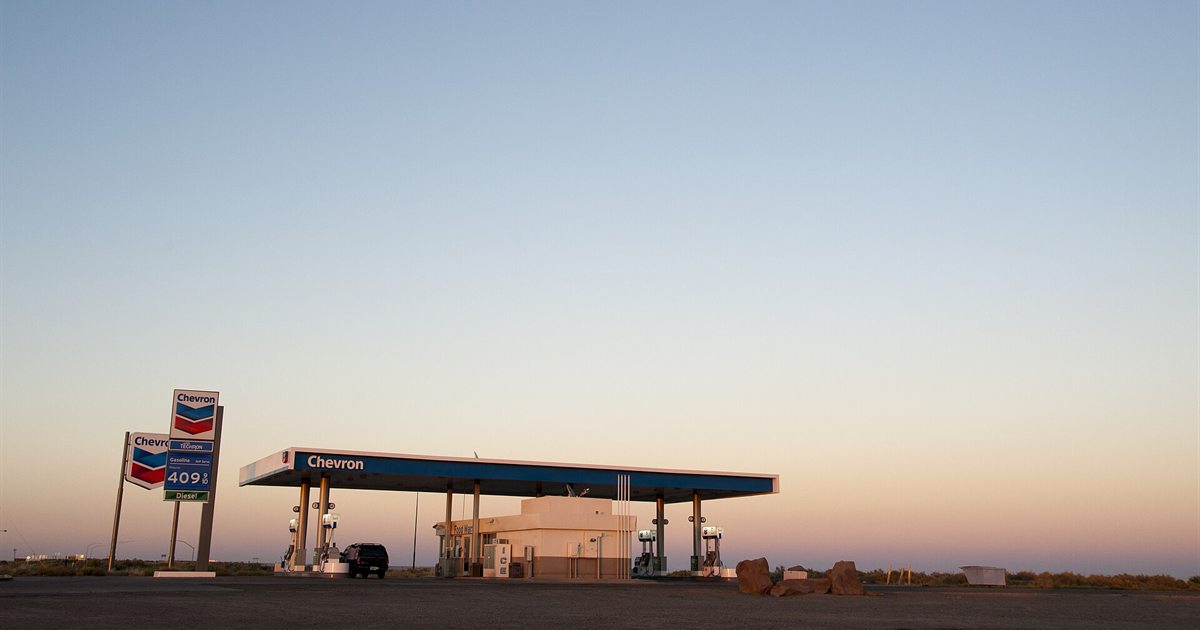
Photo: BriYYZ from Toronto, Canada / Wikimedia Commons, CC BY-SA 2.0, cropped
Canada's Inflation Rose to 3.1% in September on Gas, but Core Prices Cooled. What It Means for the Bank of Canada on October 28
- Canada's Consumer Price Index rose 3.1% in the 12 months to September 2026, up from 3.0% in August (Statistics Canada, October 19). Economists expected about 3.2%.
- Gasoline was up 27.8% from a year earlier, from 22.8% in August. Energy overall rose 19.0%.
- Excluding gasoline, inflation eased to 2.2% from 2.4%.
- Grocery inflation slowed to 1.7%, the smallest rise since May 2024. Rent was up 2.8%.
- The Bank of Canada's next rate decision is October 28. Markets price a hold, with a possible hike in December.
What happened
Statistics Canada released the September Consumer Price Index on Monday, October 19. Prices were 3.1% higher than a year earlier, up from 3.0% in August. That was one-tenth below what economists expected.
Prices rose 0.1% in the month, or 0.4% after adjusting for seasonal patterns.
Gas did it, again
The war in the Middle East has kept oil above $100 a barrel for much of the autumn. That shows up at Canadian pumps quickly.
| Item | Change over 12 months (Sept.) | August |
|---|---|---|
| All items (headline CPI) | +3.1% | +3.0% |
| Gasoline | +27.8% | +22.8% |
| Energy | +19.0% | +15.4% |
| Fuel oil and other fuels | +57.8% | +43.7% |
| All items excluding gasoline | +2.2% | +2.4% |
| Groceries | +1.7% | +2.8% |
| Shelter | +1.8% | +1.5% |
| Rent | +2.8% | +2.8% |
| Mortgage interest cost | −0.2% | — |
Source: Statistics Canada, October 19, 2026.
Underneath, inflation is cooling
This is the key point for the Bank of Canada. Strip out gasoline and inflation fell to 2.2%. The Bank's preferred core measures, CPI-trim and CPI-median, averaged about 1.9%, according to TD Economics, down from about 2.0%. That is at or just under the Bank's 2% target.
Grocery inflation also dropped sharply, to 1.7%, the smallest rise since May 2024. Fresh vegetables fell 2.9%. Beef is still expensive, up 8.7%, but that is slower than August's 11.0%.
In other words, the jump in your cost of living is real, but it's concentrated in fuel. It hasn't yet spread into the rest of the basket. Our guide to core vs headline inflation explains why central banks focus on the underlying number.
What it means for the Bank of Canada
The Bank decides on rates on October 28, alongside a new Monetary Policy Report. Money markets price a hold and lean toward a possible hike in December.
Governor Tiff Macklem has said headline inflation is up mainly because of energy and that there are no signs yet of spillover. He has also said the Bank is ready to hike if that changes. September's report backs the "wait and see" camp.
On the same day, the Bank's own surveys showed businesses and consumers expect higher inflation after US trade talks collapsed and new tariffs kicked in (our report on the Business Outlook Survey). Expectations matter because they can turn into wage and price demands. That is the risk the Bank is watching.
What it means for you
Mortgages: Variable rates move with the Bank of Canada. A hold on October 28 keeps them steady. Fixed rates follow bond yields, which are being pushed up by global markets. If you renew soon, compare both.
Savings: With inflation at 3.1%, cash earning 2% is losing ground. Compare GICs, high-interest savings and cash ETFs.
Groceries: Good news at last. Food inflation is the lowest in more than two years.
What to watch next
- October 28: Bank of Canada decision and Monetary Policy Report.
- Oil prices: a drop back below $100 would bring headline inflation down fast.
- November 16: October CPI.
Frequently asked questions
What is Canada's inflation rate for September 2026?
Canada's Consumer Price Index rose 3.1% in the 12 months to September 2026, up from 3.0% in August, according to Statistics Canada. Prices rose 0.1% in the month, or 0.4% after seasonal adjustment.
Why did Canadian inflation rise in September 2026?
Gasoline. Pump prices were 27.8% higher than a year earlier, up from 22.8% in August, because of the war in the Middle East. Fuel oil rose 57.8%. Excluding gasoline, inflation actually slowed to 2.2%.
Are grocery prices still rising in Canada?
More slowly. Food bought from stores rose 1.7% over the year to September 2026, the smallest increase since May 2024. Fresh vegetables fell 2.9%. Beef was still up 8.7%. Grocery prices are 33% higher than in September 2020.
Will the Bank of Canada raise rates on October 28, 2026?
Markets expect a hold. Governor Tiff Macklem has said higher energy costs are driving headline inflation and that he is ready to hike if those costs spread to other prices. Money markets price a possible hike in December. Easing core inflation in September lowers the pressure to act now.
What does September's CPI mean for Canadian mortgage rates?
Variable rates follow the Bank of Canada's policy rate, so a hold on October 28 would leave them unchanged. Fixed rates follow Government of Canada bond yields, which have been pushed up by higher global yields. Mortgage interest costs in the CPI fell 0.2% over the year.
Primary sources
- Statistics Canada — The Daily: Consumer Price Index, September 2026
- TD Economics — Canadian Consumer Price Index (September 2026)
- BNN Bloomberg — Higher gas prices drove inflation up to 3.1% in September (Oct. 19, 2026)
- Kitco / Reuters — Canadian firms' outlooks dimmed after trade talks collapse, BoC survey finds (Oct. 19, 2026)
Data & disclaimer: This article is for educational purposes only and is not financial or investment advice. Figures reflect data available as of Oct 20, 2026, and conditions change — always confirm current pricing, rates and rules with the provider before you act. Written by Elizabeta Dimoska. See our editorial standards and disclosure.
Comments