Photo: Mariusz S. Cybulski / Wikimedia Commons, CC BY-SA 4.0, cropped
Canada's Inflation Holds at 3.1% as the TSX Sinks to a Five-Month Low: What It Means for the Bank of Canada's December 9 Decision
- Canada's CPI rose 3.1% year over year in October, the same as September. Prices rose 0.2% from the month before.
- Gasoline was up 30.9% from a year earlier. Excluding energy, inflation eased to 2.0% from 2.1%.
- The Bank of Canada's policy rate is 2.50%. Its next decision is Wednesday, December 9. RBC's base case is a quarter-point hike to 2.75%.
- The S&P/TSX Composite fell 737 points (2.1%) to 34,578.05 on November 18, its lowest close since June 10 and its steepest one-day drop since June 5.
- Materials fell about 5.4% and energy about 3.8% as gold, copper and oil prices slid.
Inflation is stuck at 3.1%, but mostly because of gas
Canada's annual inflation rate held at 3.1% in October, the same as September, Statistics Canada reported on Monday, November 16. Prices rose 0.2% from the month before.
Almost all of the gap between that number and the Bank of Canada's 2% target comes from fuel:
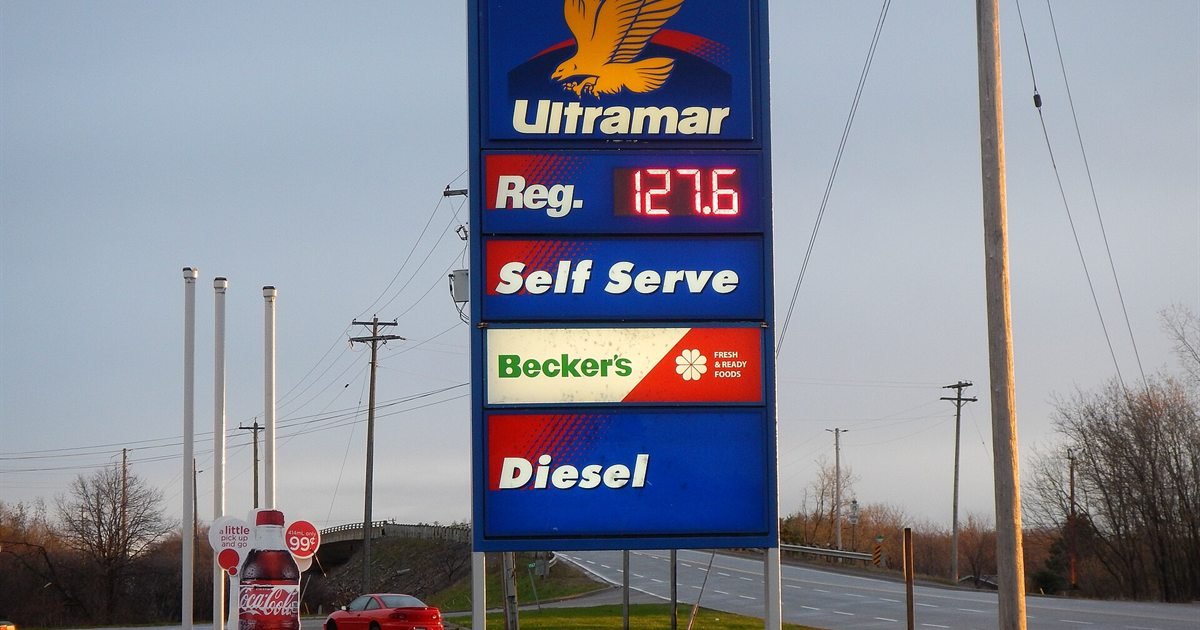
- Gasoline: up 30.9% from a year earlier (September: 27.8%), even though pump prices fell 2.5% from September. Part of the jump is a base effect: gas prices fell sharply in October 2025.
- CPI excluding energy: 2.0%, down from 2.1%.
- Groceries: up 2.0% (September: 1.7%). Food inflation has now been below the headline rate for three months.
- Shelter: up 1.4%, with rent growth slowing.
- Clothing: up 3.4% in one month, the biggest monthly rise since September 2019, which StatCan linked to higher shipping costs.
- Cell phone plans: down 6.2% from a year earlier, because of big price increases in October 2025.
Oil prices remain high because of the war involving Iran. Energy is pushing the headline number up while the rest of the economy is close to target.
The Bank of Canada's December 9 dilemma
The Bank of Canada raised its policy rate to 2.50% on October 28 and said further increases might be needed (our October preview). Its next decision is Wednesday, December 9.
The case for a hike: RBC economist Abbey Xu kept a quarter-point hike to 2.75% as the bank's base case, pointing to producer-price pressures, a faster three-month pace of core inflation, and a policy rate that's still below the Bank's own estimate of neutral. Market pricing in mid-November implied roughly a 60% chance of a hike.
The case for waiting: RBC also called the decision finely balanced. Canada has lost jobs for three months in a row, third-quarter growth was softer than expected, core inflation is close to 2%, and gasoline prices are starting to ease.
The Bank also has to watch the US Federal Reserve, which is leaning toward its own December hike (our Fed minutes report). A wider gap between US and Canadian rates tends to weaken the loonie, which raises import prices.
The TSX's worst day since June
Canadian stocks had a rough two days.
| Tuesday, Nov 17 | Wednesday, Nov 18 | |
|---|---|---|
| S&P/TSX close | 35,315.30 | 34,578.05 |
| Change | –406.83 (–1.1%) | –737.25 (–2.1%) |
| Main drag | Tech (–2.9%), industrials (–2.8%) | Materials (–5.4%), energy (–3.8%) |
On Tuesday, tech and industrial stocks led a fourth straight decline as worries about AI spending hit global markets.
On Wednesday, it was commodities. Hawkish comments from the Fed pushed up the US dollar, and gold fell about 3.5% to roughly US$3,729, its lowest since September 2025. Copper fell about 5.2%, and US crude settled 3.2% lower at US$83.26. The index closed at its lowest level since June 10 and has now fallen more than 6% from its August record, according to Bloomberg.
What it means for you
- Mortgage holders: A December hike would raise variable-rate mortgage and HELOC costs right away. Fixed rates follow bond yields, which have already moved.
- Savers: High-interest savings accounts and GICs would likely stay attractive. Compare options in our GIC vs HISA vs cash ETF guide.
- TSX investors: The index is heavy in banks, energy and miners, so commodity swings hit it hard. A global ETF spreads that risk. If you hold US stocks, see how to open a USD account in Canada to avoid repeated conversion fees.
What to watch next
- Early December: November Labour Force Survey, the last jobs report before the decision.
- Wednesday, December 9: Bank of Canada decision.
- Monday, December 14: November CPI.
Frequently asked questions
What was Canada's inflation rate in October 2026?
Canada's consumer price index rose 3.1% from a year earlier in October 2026, the same pace as September, according to Statistics Canada. Gasoline prices were up 30.9%. Excluding energy, prices rose 2.0%.
Will the Bank of Canada raise rates on December 9, 2026?
It's a close call. RBC's base case is a quarter-point hike to 2.75%, and market pricing in mid-November implied roughly a 60% chance of a hike. Arguments for waiting include three straight months of job losses, weaker third-quarter growth and core inflation near 2%.
Why did the TSX fall on November 18, 2026?
The S&P/TSX Composite fell 2.1% to 34,578.05 as gold, copper and oil prices dropped. Hawkish signals from the US Federal Reserve lifted the US dollar, which weighed on commodities. Materials stocks fell about 5.4% and energy stocks about 3.8%.
Why is gas so expensive in Canada right now?
Oil prices have stayed high because of the war involving Iran. Gasoline prices were 30.9% higher in October than a year earlier, partly because prices fell in October 2025, which makes the yearly comparison bigger.
When is the next Canadian inflation report?
Statistics Canada will publish November CPI data on Monday, December 14, 2026, five days after the Bank of Canada's December 9 decision.
Primary sources
- Statistics Canada — The Daily: Consumer Price Index, October 2026
- FXStreet — Bank of Canada: December hike risk stays (RBC)
- BNN Bloomberg / The Canadian Press — S&P/TSX composite down more than 400 points
- Reuters via Kitco — TSX hits more than 4-month low as miners slide on weaker metal prices
- Bloomberg — Canadian stocks drop to June low as metals, oil prices slide
- Bank of Canada — Policy interest rate and schedule
Data & disclaimer: This article is for educational purposes only and is not financial or investment advice. Figures reflect data available as of Nov 19, 2026, and conditions change — always confirm current pricing, rates and rules with the provider before you act. Written by Elizabeta Dimoska. See our editorial standards and disclosure.
RiskStock is independent and free to read. No paywall, no paid placements. If this piece helped you, you can support our work.
☕ Buy me a coffee
Comments