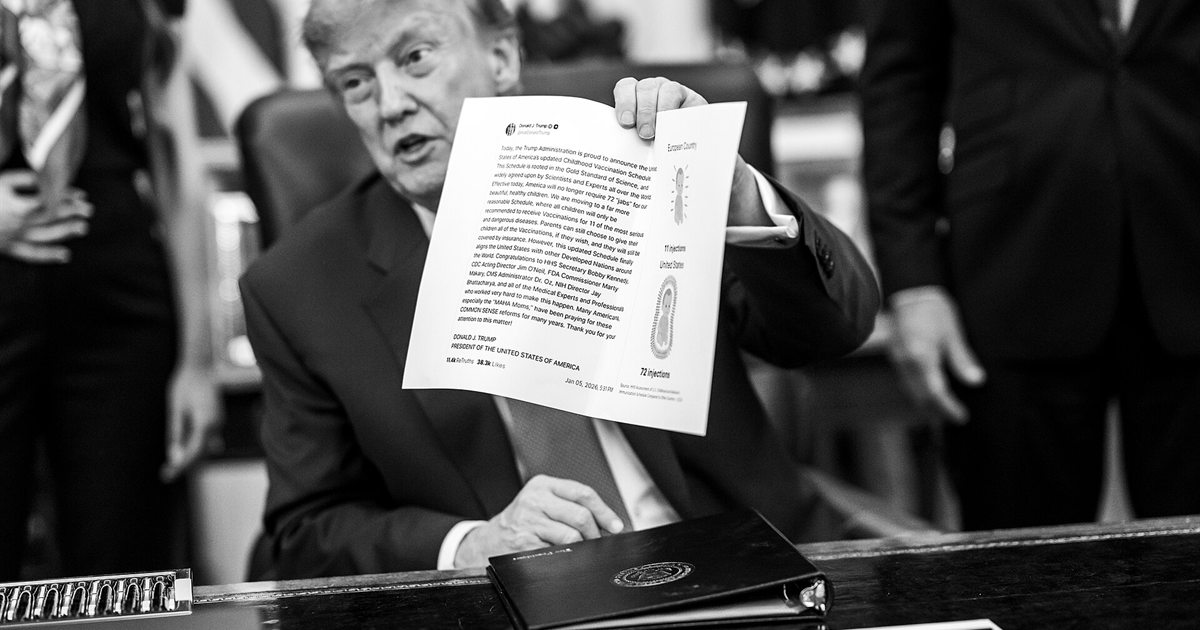
Photo: The White House / Wikimedia Commons (public domain)
Trump Paused the New Russia Sanctions Two Weeks Before the Midterms. What It Means for Gas Prices and Your Portfolio
- On Friday, October 16, President Trump signed an executive order putting on hold the Russia sanctions package he signed into law in September.
- The law, named after the late Senator Lindsey Graham, targeted Russian officials, banks and the shadow fleet of tankers, and directed tariffs of up to 100% on the five biggest buyers of Russian oil or gas, a group that includes China and India.
- About a week earlier, Trump announced a deal for the US to buy Russian diesel to help lower fuel prices.
- The pause is a waiver, not a repeal. The measures can be switched back on.
- US midterm elections are on November 3. Polls show voters blame the administration for higher prices.
What happened
Late on Friday, October 16, President Trump signed an executive order putting on hold a large Russia sanctions package. He had signed that package into law in September. It was due to take effect within days.
The law is named after Republican Senator Lindsey Graham, who drafted it with Democrat Richard Blumenthal before his death in July. It passed both chambers by large margins. Its aim was to cut Moscow's revenue from its war on Ukraine.
In a message to Congress, the president said the waiver serves the US national interest. He later said he did not want to push Russia away from the negotiating table.
What the law would have done
| Measure | What it targeted |
|---|---|
| Sanctions on officials and banks | Russia's financial system |
| Shadow fleet sanctions | Tankers carrying Russian oil around existing limits |
| Tariffs of up to 100% | Goods from the five biggest importers of Russian oil or gas |
| Exemption | Countries buying under 15% of Russia's gas exports and cutting back |
Source: Al Jazeera, ABC News, October 17, 2026.
The tariff part was the market-moving piece. China and India are among the biggest buyers of Russian crude. Tariffs of up to 100% on their exports to the US would have been a major new trade war.
The diesel deal
About a week before the waiver, the president said the US had signed a deal to buy Russian diesel to help lower global fuel prices. The Treasury then issued temporary relief for certain Russian-origin diesel transactions.
Republicans and Democrats both criticized the deal. Ukraine's president called it a gift to Moscow. Experts quoted by CBS said Russian diesel would not offset the oil supply lost to the war involving Iran.
Why the timing matters
US midterm elections are on November 3. Polls suggest voters blame the administration for higher prices, and gasoline is the price they see most often. Inflation hit 3.7% in September, with gas up more than 30% from a year earlier.
For investors, election-season policy can move specific sectors fast. Our guide to midterm elections and the stock market looks at what history says about the months before and after a midterm.
What it means for markets
- Oil: Brent fell about 2% to $107.55 on Monday morning, October 19, partly on the sanctions pause. It rebounded toward $111 on Tuesday after Houthi claims of attacks on Saudi oil sites. The pause takes one source of upside risk off the table, but the Gulf matters far more.
- Trade: Avoiding tariffs on China and India removes a big risk for US importers, retailers and companies with Asian supply chains.
- Europe and Ukraine: Defence stocks and European energy names react to any sign the war will drag on or wind down.
What it means for you
Don't expect a quick drop at the pump from this alone. Fuel prices depend mostly on crude, and crude depends mostly on the Gulf. If you're investing, avoid trading on political headlines. They reverse quickly, and a waiver can be lifted as fast as it was signed.
What to watch next
- Congress: Several senators in both parties want the sanctions restored. Any move to override the waiver would be a headline risk for oil.
- Oil prices around Gulf shipping attacks.
- November 3: the midterms.
Frequently asked questions
What Russia sanctions did Trump pause in October 2026?
He put on hold the package created by the Lindsey O. Graham Sanctioning Russia and Iran Act, which he signed in September. It targeted Russian officials, banks and the shadow fleet of tankers carrying Russian oil, and directed tariffs of up to 100% on goods from the five biggest importers of Russian oil or gas.
Are the Russia sanctions cancelled?
No. The executive order waives them, citing the US national interest. Reporting indicates the measures stay on the books and can be switched on later by the president or secretary of state.
Will pausing Russia sanctions lower gas prices?
It may help at the margin by keeping Russian oil and diesel flowing and avoiding a tariff fight with China and India. But the bigger driver of fuel prices is the war involving Iran and attacks on Gulf shipping. Brent was still above $107 a barrel on October 19 and climbed toward $111 a day later.
What was the Russia diesel deal?
About a week before the waiver, Trump said the US had agreed to buy diesel from Russia to help lower fuel prices. The Treasury issued temporary relief for certain Russian-origin diesel transactions. Lawmakers in both parties criticized the deal.
How do midterm elections affect the stock market?
Midterm years have historically been bumpy, with the S&P 500 averaging a peak-to-trough drop of about 17% since 1950. But the 12 months after a midterm have been positive in every cycle since the 1950s, with average gains in the mid-teens. Past patterns are not guarantees.
Primary sources
- Al Jazeera — Trump puts on hold new Russia sanctions he signed into law (Oct. 17, 2026)
- ABC News — Trump signs order waiving Graham Act sanctions on Russia
- CBS News — Trump faces bipartisan backlash over waiving Russia sanctions
- Fortune — European stocks fall after violent protests in France, while oil drops as Trump puts Russia sanctions on hold (Oct. 19, 2026)
Data & disclaimer: This article is for educational purposes only and is not financial or investment advice. Figures reflect data available as of Oct 20, 2026, and conditions change — always confirm current pricing, rates and rules with the provider before you act. Written by Elizabeta Dimoska. See our editorial standards and disclosure.
Comments