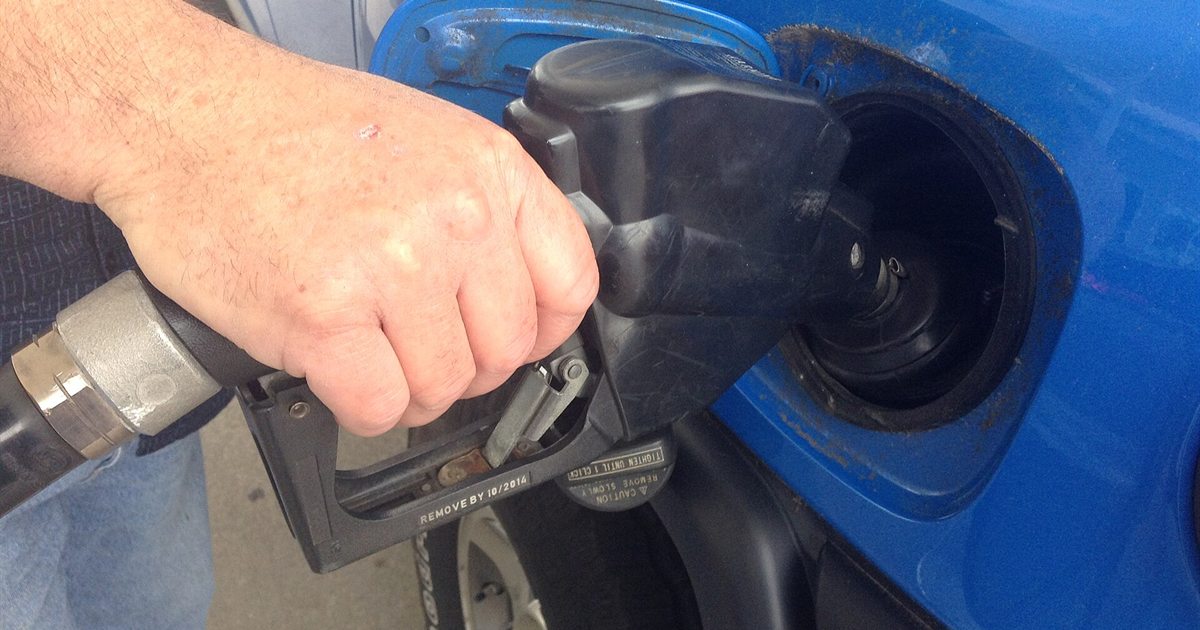
Photo: Mike Mozart / Wikimedia Commons, CC BY 2.0, cropped
US Inflation Jumped to 3.7% in September as Gas Prices Surged 9%. What It Means for the Fed and Your Money
- The Consumer Price Index rose 3.7% in the 12 months to September 2026, up from 3.4% in August. Prices rose 0.6% in the month alone.
- Gasoline jumped 9.1% in September and is up 34.2% from a year ago. Fuel oil is up 74.2%.
- Core inflation, which leaves out food and energy, rose 0.3% in the month and 2.6% over the year, a touch above forecasts.
- Food prices were flat for the month. Shelter rose 0.4%. Airfares are up 22% over the year.
- The Fed's next decision is October 28. Its rate is 3.75% to 4.00% after September's hike.
What happened
The Bureau of Labor Statistics released the September Consumer Price Index on Wednesday morning, October 14. The CPI measures the prices of the things households buy, from groceries to rent to gasoline.
Prices were 3.7% higher than a year earlier. In August that number was 3.4%. Prices rose 0.6% in September alone, which matched what economists expected. The yearly figure came in one-tenth of a point above forecasts.
Almost all of it was gasoline
The energy index rose 5.2% in one month. Gasoline did most of the work:
| Item | Change in September | Change over 12 months |
|---|---|---|
| All items (headline CPI) | +0.6% | +3.7% |
| Gasoline | +9.1% | +34.2% |
| Fuel oil | — | +74.2% |
| Core (excludes food and energy) | +0.3% | +2.6% |
| Food | 0.0% | — |
| Shelter | +0.4% | — |
| Airline fares | — | +22% |
Source: BLS and CNBC, October 14, 2026.
Oil has been above $100 a barrel for much of the autumn because of the war involving Iran and attacks on Gulf shipping. That flows straight to the pump, and then into airfares and delivery costs.
Why core inflation is the number to watch
Food and energy prices swing wildly, so economists also look at core inflation. It strips those two out to see what is happening underneath.
Core rose 2.6% over the year. That is a little above the 2.5% forecast but well below the headline 3.7%. In plain terms: the jump in your cost of living is real, but it is mostly a fuel shock, not yet a broad wave of price increases across everything you buy.
That distinction matters for the Federal Reserve. Fuel shocks can fade on their own when oil prices fall. Broad inflation tends to stick.
What it means for the Fed
The Fed raised rates in September for the first time in three years, to 3.75% to 4.00%. Minutes from that meeting showed most officials expect one more increase this year.
This week New York Fed President John Williams said one more hike "this year" still looks appropriate. Markets have favoured December over October for that move. Wednesday's report doesn't settle the question:
- Case for October 28: headline inflation is moving the wrong way, and core was above forecasts.
- Case for waiting: core is only 2.6%, and the jump is mostly oil, which the Fed can't control.
What it means for you
If you have savings: Make sure your cash earns more than 3.7%. Treasury bills, money market funds and the best high-yield savings accounts still do. See how to buy Treasury bills.
If you're house-hunting: Mortgage rates follow the 10-year Treasury yield, which touched 5.35% last week. A hot inflation report keeps that pressure on. Budget for today's rates.
If you invest for the long term: Stay the course. Inflation reports move markets for a day or two. Over decades, stocks have beaten inflation by a wide margin. Our guide on what inflation does to compound growth shows why the "real" return is the one that counts.
If you want the big picture: Read our explainer on what inflation is and where the idea came from. It covers everything from Roman coins to the 2% target.
What to watch next
- Bank earnings. The big banks report all week and will say how their customers are coping with higher prices.
- October 28: the Fed's rate decision.
- Oil. A drop back below $100 would cool headline inflation quickly.
Frequently asked questions
What was the US inflation rate in September 2026?
The Consumer Price Index rose 3.7% in the 12 months ending September 2026, according to the Bureau of Labor Statistics. That was up from 3.4% in August. Prices rose 0.6% from August to September.
Why did inflation go up in September 2026?
Mostly gasoline. Pump prices rose 9.1% in the month and 34.2% over the year as the war involving Iran pushed up oil prices. The energy index rose 5.2% in September. Airfares, tariffs and strong travel demand also added to prices.
What is core inflation and why does it matter?
Core inflation leaves out food and energy, whose prices jump around. It rose 2.6% over the year to September 2026. The Fed watches it closely because it shows whether price increases are spreading beyond fuel into the rest of the economy.
Will the Fed raise rates on October 28, 2026?
It is possible but not certain. Most Fed officials said in September that one more increase this year would probably be appropriate. Markets lean toward December rather than October. A hot headline number driven by gasoline, with core inflation only slightly above forecasts, keeps both dates in play.
How do I protect my money from 3.7% inflation?
Keep cash in places that pay more than inflation, such as Treasury bills, money market funds or high-yield savings accounts paying above 3.7%. For long-term money, a diversified stock index fund has historically outpaced inflation over long periods, though not every year.
Primary sources
Data & disclaimer: This article is for educational purposes only and is not financial or investment advice. Figures reflect data available as of Oct 14, 2026, and conditions change — always confirm current pricing, rates and rules with the provider before you act. Written by Elizabeta Dimoska. See our editorial standards and disclosure.
Comments