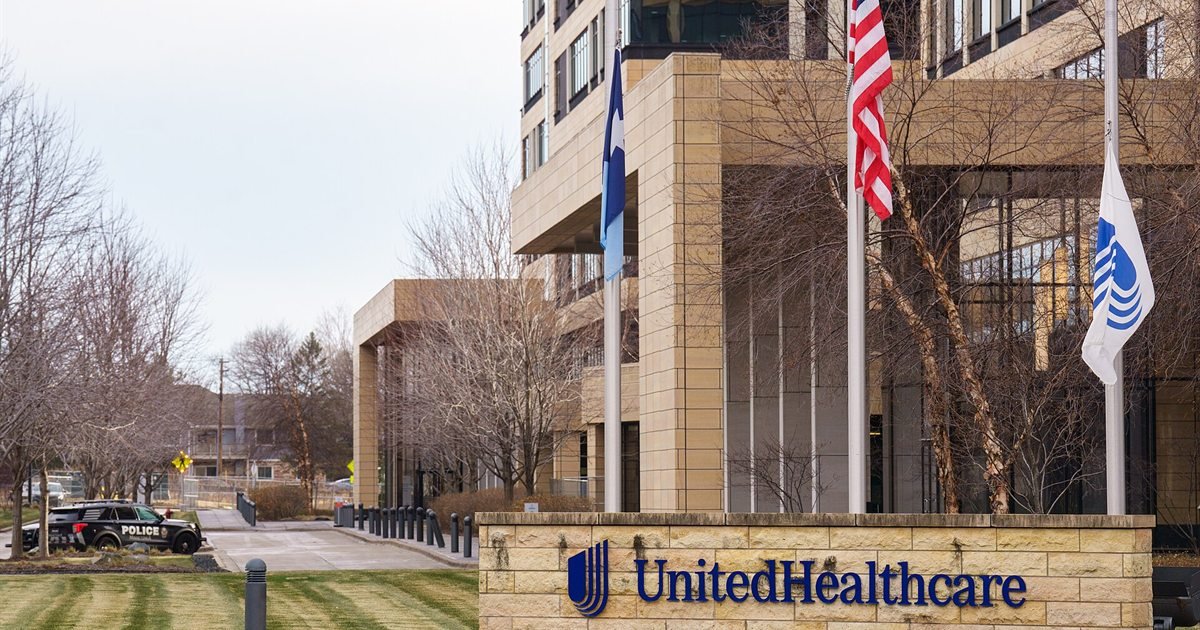
Photo: Chad Davis / Wikimedia Commons, CC BY 2.0, cropped
UnitedHealth and Humana Plunge as CMS's 'CRUSH' Rule Targets $9 Billion a Year in Medicare Advantage Overpayments: What Investors Need to Know
- CMS issued the CRUSH proposed rule (Comprehensive Regulations to Uncover Suspicious Healthcare) on November 16, 2026.
- It would extrapolate Medicare Advantage audit (RADV) findings starting with payment year 2018 and recover an average of about $9 billion per payment year. The whole rule targets nearly $90 billion in savings from 2027 to 2036.
- UnitedHealth fell 5.4% to $389.68 on November 17 and about 10% more on November 18, to roughly $350. Humana fell 5.5%, then about 13%.
- CVS Health fell 3.5% on November 17; Cigna was down more than 2% on November 18.
- Comments are due January 19, 2027. The rule is a proposal and could change before it's final.
A new rule hits the Medicare Advantage business
The Centers for Medicare & Medicaid Services (CMS) issued a proposed anti-fraud rule on Sunday, November 16, called CRUSH, short for Comprehensive Regulations to Uncover Suspicious Healthcare (CMS-6098-P). It covers Medicare, Medicaid, CHIP and the Affordable Care Act marketplaces, and CMS projects it would save nearly $90 billion from 2027 to 2036.
For investors, the part that matters is Medicare Advantage, the private-insurer version of Medicare that is a major profit engine for UnitedHealth, Humana and CVS Health.
What the rule would do
Medicare pays Advantage plans more for sicker patients. CMS uses Risk Adjustment Data Validation (RADV) audits to check whether patients' records support the diagnoses insurers report. Under CRUSH, CMS proposes to:
- Extrapolate audit findings, applying the error rate found in a sample to an entire contract, starting with payment year 2018 audits.
- Not apply a "fee-for-service adjuster," a discount that insurers argued should shrink repayments.
- Recover an average of about $9 billion per payment year in overpayments, according to CMS.
- Require plans to report suspected fraud. CMS said only 46% of Part C and D contracts voluntarily reported fraud referrals in 2025.
- Require providers who bill Medicare Advantage to enroll in Original Medicare, phased in after the rule is final.
Comments are due January 19, 2027.
How the stocks reacted
| Stock | Tuesday, Nov 17 | Wednesday, Nov 18 |
|---|---|---|
| UnitedHealth (UNH) | –5.4% to $389.68 | about –10%, to roughly $350 |
| Humana (HUM) | –5.5% | about –13% |
| CVS Health (CVS) | –3.5% | about –3% (midday) |
| Cigna (CI) | — | more than –2% (midday) |
Wednesday moves are approximate; reports varied during the session.
UnitedHealth and Humana have the largest Medicare Advantage businesses, which is why they fell the most. Mizuho analyst Ann Hynes named them as the most exposed, followed by CVS Health, Elevance, Centene and Molina. Because UnitedHealth is one of the highest-priced stocks in the price-weighted Dow, its drop alone took a big bite out of the index, which fell 561 points on Wednesday (our market report).
Why the market reacted so strongly
Retroactivity. Going back to 2018 means insurers could face repayment demands for years of past business, not just future margins. A key question is whether companies have reserved for that exposure.
Scale. At about $9 billion a year across the industry, the RADV piece alone is large compared with the profits these companies earn from Medicare Advantage.
A tougher backdrop. Health insurers have already struggled with rising medical costs, and the sector faces political pressure over vertically integrated companies that own insurers, pharmacies and clinics.
The counterarguments
- It's only a proposal. CMS may change it after comments, and the industry will push hard.
- Court fights are likely. A federal judge in Texas vacated parts of CMS's earlier audit rule in September 2025 (Humana v. Becerra), and CMS is appealing.
- Insurers can adapt. Oppenheimer analysts noted that companies can price audit risk into future bids to protect margins, which may mean thinner benefits rather than permanently lower profits.
What it means for you
- If you own health insurer stocks: Regulatory risk is now front and centre. A diversified healthcare ETF spreads exposure across drugmakers, device makers and hospitals, not just insurers.
- If you own an S&P 500 or Dow fund: The hit is modest, but it's a reminder that index funds still carry single-stock risk in their biggest names.
- If you're on Medicare Advantage: Nothing changes for 2027 coverage now. Over time, insurers could respond with leaner benefits, so compare plans every open enrollment. If you're still working, an HSA is one of the best ways to save for future healthcare costs tax-free.
Frequently asked questions
What is the CMS CRUSH rule?
CRUSH, short for Comprehensive Regulations to Uncover Suspicious Healthcare, is a proposed anti-fraud rule issued by the Centers for Medicare & Medicaid Services on November 16, 2026. It covers Medicare, Medicaid, CHIP and the ACA Marketplace. For Medicare Advantage, it would extrapolate audit findings starting with payment year 2018, which CMS estimates would recover about $9 billion per payment year.
Why did UnitedHealth stock fall on November 18, 2026?
UnitedHealth is the largest Medicare Advantage insurer, so it has the most exposure to wider audits and repayment demands under the CRUSH proposal. The stock fell 5.4% on November 17 and about 10% more on November 18, to roughly $350.
What is a RADV audit?
A Risk Adjustment Data Validation (RADV) audit checks whether patients' medical records support the diagnoses an insurer reported. Medicare Advantage plans are paid more for sicker patients, so unsupported diagnoses lead to overpayments. Extrapolation means applying the error rate from a sample to the whole contract, which makes repayments much larger.
Is the CRUSH rule final?
No. It is a proposed rule. Public comments are due January 19, 2027, and CMS can change the rule before finalizing it. Insurers are also likely to challenge it; a federal court in Texas vacated parts of an earlier audit rule in 2025, and CMS is appealing that decision.
Will the CRUSH rule affect my Medicare Advantage plan?
Not directly or right away. The rule targets payments from the government to insurers. Over time, analysts expect insurers to price audit risk into their bids, which could mean leaner benefits or higher costs in some plans. Coverage for 2027 has already been set during open enrollment.
Primary sources
- CMS — Fact sheet: Comprehensive Regulations to Uncover Suspicious Healthcare (CRUSH) proposed rule (CMS-6098-P)
- CMS — Press release: CMS CRUSH proposed rule aims to reap nearly $90 billion in taxpayer savings
- Yahoo Finance (GuruFocus) — UnitedHealth stocks fall as CMS proposes wider Medicare Advantage audits
- MLQ.ai — UnitedHealth and Humana fall after CMS proposes a $90 billion anti-fraud rule
- The Motley Fool — Stock Market Today, Nov. 18, 2026
Data & disclaimer: This article is for educational purposes only and is not financial or investment advice. Figures reflect data available as of Nov 19, 2026, and conditions change — always confirm current pricing, rates and rules with the provider before you act. Written by Elizabeta Dimoska. See our editorial standards and disclosure.
RiskStock is independent and free to read. No paywall, no paid placements. If this piece helped you, you can support our work.
☕ Buy me a coffee
Comments