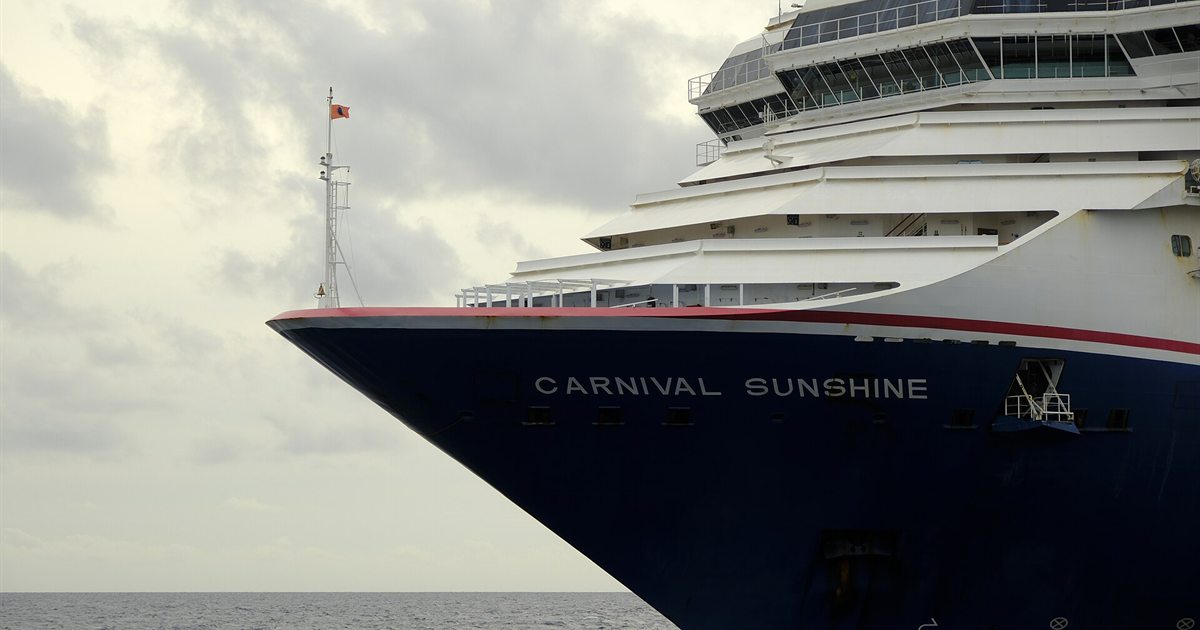
Photo: AbhiramJuvvadi / Wikimedia Commons, CC BY-SA 4.0, cropped
Carnival Just Had Its Best Quarter Ever and the Stock Jumped 13%. People Are Still Booking Cruises
- Carnival reported record third-quarter revenue of $8.44 billion on September 29, 2026, up 3.5% from a year earlier.
- Net income was about $1.9 billion, an all-time high. Adjusted EPS was $1.43, ahead of the company's own guidance of $1.35.
- Higher fuel prices cost about $150 million. Carnival more than offset that with cost control and raised its full-year adjusted EPS outlook to about $2.24.
- Customer deposits hit a third-quarter record of $7.6 billion. 2027 bookings are at record occupancy and prices.
- The stock closed up 13.41% at $25.11. It had fallen more than 25% in 2026 before the report.
The results
Carnival, the world's biggest cruise company, reported its summer quarter on Tuesday, September 29. Summer is when cruise lines make most of their money, and this one set records.
| Q3 2026 | Comparison | |
|---|---|---|
| Revenue | $8.44 billion | Up 3.5%, a record |
| Net income | About $1.9 billion | All-time high |
| Adjusted EPS | $1.43 | Guidance was $1.35 |
| Occupancy | 111.8% | |
| Passengers | About 3.9 million | |
| Customer deposits | $7.6 billion | Up $500 million, a Q3 record |
(Occupancy above 100% isn't a typo. The industry counts two people per cabin, so families with kids in the same room push it higher.)
The stock closed up 13.41% at $25.11 on heavy volume.
The fuel problem that wasn't
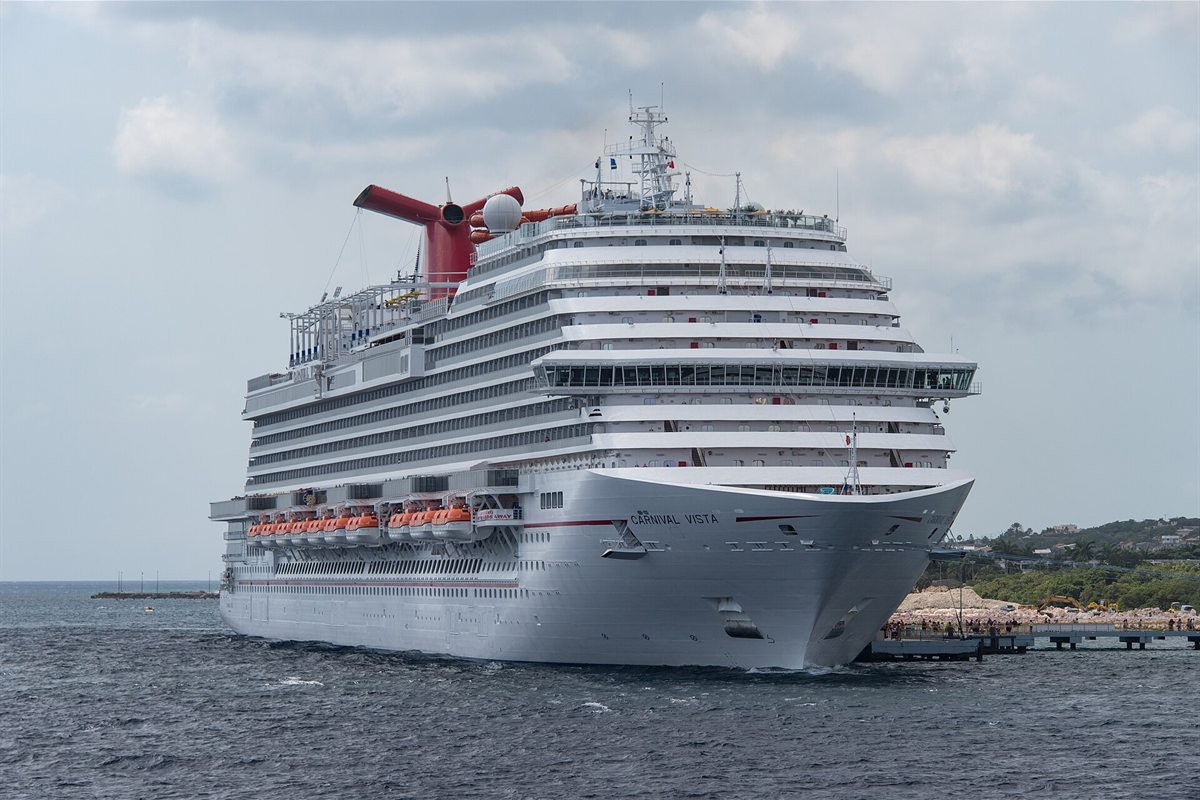
Investors were nervous going in. Oil has been above $100 a barrel for weeks, and ships burn a lot of fuel. Carnival's stock had dropped more than 25% this year largely because of that fear.
The fuel hit was real: about $150 million. But Carnival made up for it in two ways.
It charged more. Net yields, the industry's measure of revenue per passenger day, rose 2.4%. That was more than a full point better than the company had forecast.
It spent less. Costs outside of fuel rose only 1.8%, a point better than guidance. Interest expense fell nearly 10% as the company paid down debt taken on during the pandemic.
The result: Carnival raised its full-year adjusted profit outlook to about $2.24 a share. CEO Josh Weinstein pointed to "accelerating demand and stronger cost control."
What it tells us about the consumer
This is the interesting part. Look at the backdrop:
- Mortgage rates around 7%
- Hiring that has slowed to a crawl
- Inflation above 3%
And yet people are paying more for cruises and booking further ahead. Carnival says 2027 is already tracking at record occupancy and record prices.
In the same week, Nike warned its sales will keep falling. So which is it? Are consumers strong or weak?
Both. People are being choosy. Spending on experiences like travel has held up better than spending on goods like shoes and clothes. A cruise also looks like good value next to a week of hotels, flights and restaurants, which matters when budgets are tight.
It's a reminder not to read too much into a single headline about "the consumer." There are always winners and losers.
Why the stock is still down this year
Even after a 13% jump, Carnival shares are below where they started 2026. A few things keep investors cautious:
- Fuel isn't hedged away. If oil goes to $120, the next quarter looks different.
- Debt. Carnival borrowed heavily to survive 2020 and 2021. It's paying that down, but high interest rates make it slower.
- Recessions hurt. A cruise is one of the first things a family cuts if someone loses a job.
- Q4 is small. The company expects only about $0.20 in adjusted EPS for the fourth quarter. Summer is the big one.
What it means for you
If you own travel stocks: this was a good report. But these are cyclical businesses. They rise fast in good times and fall fast in bad ones.
If you're watching the economy: record bookings a year out are a sign that households with money are still willing to spend it. That's one reason economists aren't calling for a recession despite weak hiring.
If you own an index fund: you own a small piece of Carnival and a small piece of Nike. One had a great week and one had a terrible one. Your fund barely noticed, which is the whole point. See stocks vs ETFs.
If you're planning a cruise: prices are going up, and the company just told you so. Booking early has been the cheaper path.
Frequently asked questions
What were Carnival's Q3 2026 earnings?
Carnival reported third-quarter 2026 revenue of $8.44 billion, net income of about $1.9 billion and adjusted earnings per share of $1.43. All were records for the company and ahead of its own guidance.
Why did Carnival stock jump 13%?
The company beat its guidance, raised its full-year profit outlook despite a roughly $150 million hit from higher fuel prices, and said bookings for 2027 are at record levels for both occupancy and price. The stock had fallen more than 25% in 2026 on fuel-cost worries, so the results were a relief.
How do fuel prices affect cruise lines?
Fuel is one of a cruise line's biggest costs. With oil above $100 a barrel, Carnival's fuel bill rose by about $150 million. The company offset that with higher ticket prices and lower costs elsewhere.
Does Carnival pay a dividend?
Yes. Carnival paid about $204 million in dividends in the third quarter and has bought back about $1.2 billion of its shares so far in 2026 under a $2.5 billion program.
Are cruise stocks a good investment?
We don't give individual stock advice. Cruise lines are cyclical: they do well when people feel confident and fuel is cheap, and poorly in recessions. They also carry a lot of debt. If you want exposure, a broad consumer or travel fund spreads the risk across many companies.
Primary sources
Data & disclaimer: This article is for educational purposes only and is not financial or investment advice. Figures reflect data available as of Oct 3, 2026, and conditions change — always confirm current pricing, rates and rules with the provider before you act. Written by Elizabeta Dimoska. See our editorial standards and disclosure.
Comments