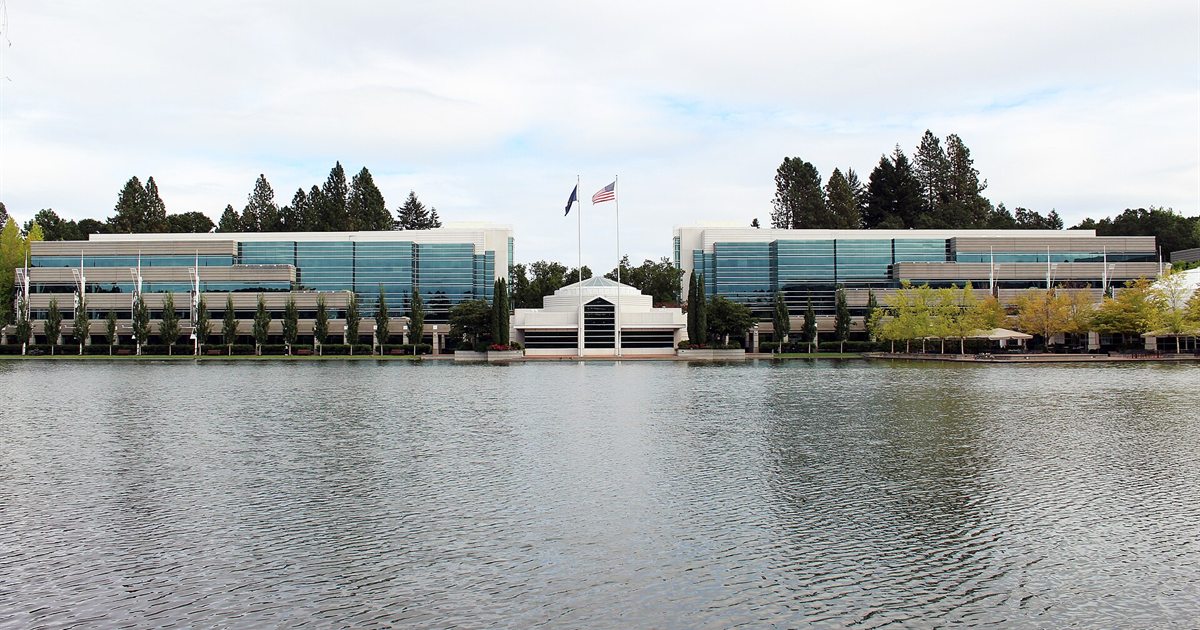
Photo: Coolcaesar / Wikimedia Commons, CC BY-SA 4.0, cropped
Nike Just Fell to a Five-Year Low After Warning Sales Will Drop Again. Is a Famous Brand a Safe Stock?
- Nike reported fiscal first-quarter revenue of $11.21 billion on October 1, 2026, down 4% from a year earlier. Earnings per share were $0.48, slightly ahead of forecasts.
- Greater China sales fell 26%, the ninth straight quarterly decline. Converse sales fell 28%. Nike Brand Digital fell 13%.
- For fiscal 2027, Nike forecast a high-single-digit decline in revenue and adjusted EPS of $1.15 to $1.35.
- A restructuring plan called "Pace" aims to save $2.5 billion by fiscal 2031 and includes more layoffs.
- Shares closed down 5.7% on Friday, October 2, at a five-year low.
A beat that felt like a miss
Nike reported earnings on Thursday evening. On the surface, a few things looked fine:
- Earnings per share of $0.48 were a bit better than expected.
- Gross margin rose to 42.8%, helped by lower shipping and warehouse costs.
- Inventory was down 3%.
- North America, its biggest market, grew.
Then came the rest.
| Business | Sales change |
|---|---|
| Total revenue | -4% to $11.21 billion |
| Greater China | -26% |
| Converse | -28% |
| Nike Brand Digital (online) | -13% |
| Nike Direct (its own stores and sites) | -8% |
And the forecast: Nike expects revenue to fall by a high-single-digit percentage this fiscal year, with adjusted earnings of $1.15 to $1.35 a share.
The stock dropped as much as 10% before the market opened on Friday and closed down 5.7%, its lowest level in five years. It's now roughly 80% below its 2021 peak.
What's going wrong
China. This was once Nike's growth engine. Sales there have now fallen nine quarters in a row. Local brands have won over younger shoppers, and Nike is pulling online selling rights from some big Chinese retail partners to regain control of its pricing.
Too many of the same shoes. Nike leaned hard on a few classic styles and flooded the market. CEO Elliott Hill, who returned to the company to lead a turnaround, said there is "more work to do in NIKE Sportswear, Jordan Brand and Greater China."
Selling direct didn't pay off. A few years ago Nike cut back on selling through other retailers to push people to its own app and stores. Competitors took the shelf space. Now its own digital sales are shrinking too.
Tariffs. Nike makes most of its shoes in Asia. US import tariffs raise its costs.
The fix, and why it takes time
Nike announced a new operating plan it calls Pace. The goal is $2.5 billion in savings by fiscal 2031. It will cost about $1 billion in charges and includes more job cuts.
Notice the date. Fiscal 2031 is more than four years away. Turnarounds at huge companies are slow. Investors who hoped Hill's return would bring a quick rebound are adjusting to a longer wait.
The lesson: a great brand is not the same as a great stock
Nike is one of the most recognised brands on earth. People who bought the stock at the 2021 peak because they love the product have lost about 80% of their money.
That's worth sitting with. "Buy what you know" is popular advice, and it's incomplete. Knowing a product tells you nothing about:
- Whether sales are growing or shrinking
- What price you're paying relative to profits
- What competitors are doing
- Where the company's growth is supposed to come from
In 2021, Nike's stock price assumed years of fast growth, especially in China. When the growth stopped, the price had a long way to fall.
What it means for you
If you own Nike: decide whether you believe the turnaround, and how long you're willing to wait. Don't hold just because you're down. That's called anchoring, and it's one of the most common investor mistakes.
If you're tempted to buy the dip: a stock that's down 80% can still fall another 50%. If you want to try, keep it small.
If you own an index fund: Nike is a tiny part of the S&P 500. This is exactly why broad funds work. One company's bad years barely register. See index funds vs picking stocks.
Not all consumer stocks are struggling
In the same week, Carnival reported its best quarter ever and its stock jumped 13%. People are still spending. They're just choosing cruises over sneakers. That's how sectors work: the headline "consumers are weak" or "consumers are strong" hides a lot of winners and losers.
Frequently asked questions
Why did Nike stock fall in October 2026?
Nike reported a 4% drop in quarterly revenue and told investors to expect a high-single-digit revenue decline for fiscal 2027. Sales in Greater China fell 26%. Even though profit slightly beat forecasts, the weak outlook pushed shares down 5.7% on October 2 to a five-year low.
How much did Nike earn in its latest quarter?
For the fiscal first quarter of 2027, Nike reported revenue of $11.21 billion, net income of $712 million and diluted earnings per share of $0.48. Gross margin improved to 42.8%.
What is wrong with Nike's business in China?
Chinese shoppers have shifted toward local brands, and Nike's sales in Greater China have fallen for nine quarters in a row. Sales there dropped 26% in the latest quarter to about $1.18 billion.
Is Nike stock a buy at a five-year low?
We don't give individual stock advice. A low price alone isn't a reason to buy. What matters is whether sales stop falling. Nike's own forecast says they'll fall again this year. Investors who want to bet on a turnaround should be prepared for it to take years, and should keep any single stock to a small part of their portfolio.
Does Nike still pay a dividend?
Yes. Nike has paid and raised its dividend for many years, and had about $8.4 billion in cash and short-term investments at quarter-end. A dividend doesn't protect you from a falling share price, though.
Primary sources
Data & disclaimer: This article is for educational purposes only and is not financial or investment advice. Figures reflect data available as of Oct 3, 2026, and conditions change — always confirm current pricing, rates and rules with the provider before you act. Written by Elizabeta Dimoska. See our editorial standards and disclosure.
Comments