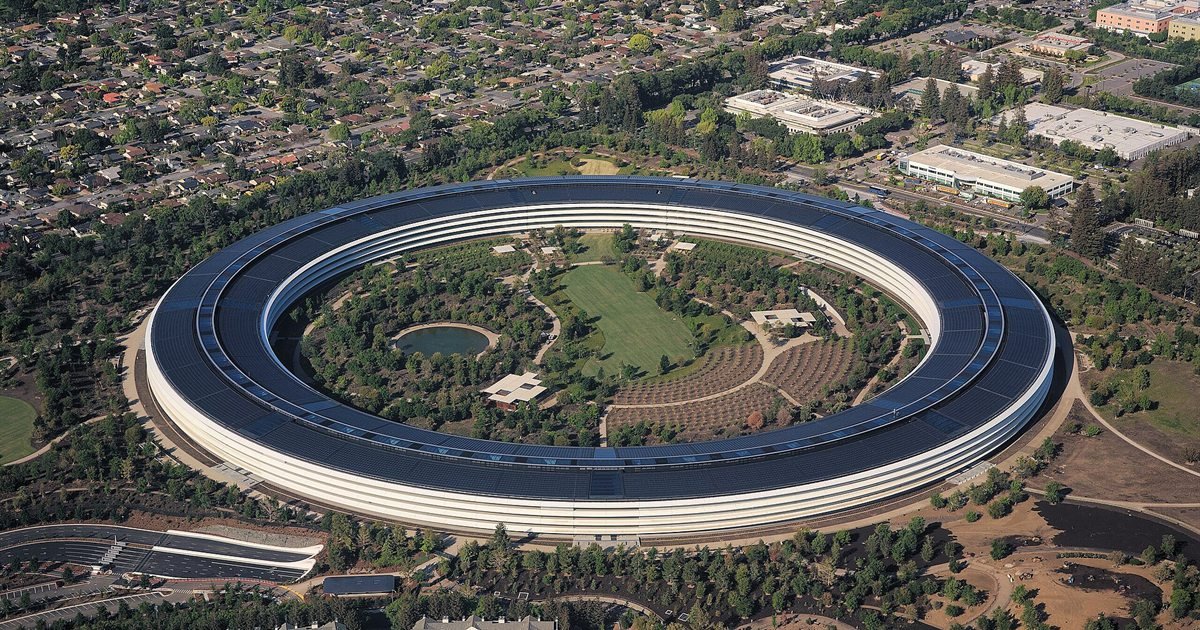
Photo: IPhone01 / Wikimedia Commons, CC BY-SA 4.0, cropped
Apple Q4 2026 Earnings: $114.5 Billion Revenue and a 17% iPhone Jump, but Memory Costs Squeeze the Margin Outlook
- Revenue: $114.5 billion, up 12% year over year, for the quarter ended September 26, 2026.
- EPS: $2.10, up 14%, including about $0.05 from tariff refunds.
- iPhone: $57.6 billion, up 17%, despite supply constraints and currency headwinds.
- Gross margin: 47.9%, helped by about 1 percentage point from tariff refunds. Without them, it would have fallen short of the ~47.5% consensus, according to CNBC.
- Guidance: December-quarter gross margin of 45%–46%, below the ~46.3% estimate, as memory chip costs rise; revenue growth of about 7%–10%. Shares fell about 2% on November 3.
The quarter at a glance
Apple reported results for its fiscal fourth quarter, which ended September 26, 2026. It was John Ternus's first earnings call as chief executive.
| Metric | Q4 FY2026 | Change |
|---|---|---|
| Revenue | $114.5 billion | +12% |
| Diluted EPS | $2.10 | +14% |
| iPhone revenue | ~$57.6 billion | +17% |
| Gross margin | 47.9% | Includes ~1 pt from tariff refunds |
Source: Apple press release and SEC filing.
On the surface, that's a strong quarter. The iPhone grew 17% despite supply constraints and currency headwinds, and revenue grew at double digits.
Why the stock fell anyway
Investors focused on two details.
1. One-time help. About 1 percentage point of the 47.9% gross margin, and about $0.05 of EPS, came from tariff refunds. Excluding them, CNBC noted, gross margin would have fallen short of the roughly 47.5% consensus.
2. Weak margin guidance. Apple guided to a 45%–46% gross margin for the December quarter, below the 46.3% analysts expected. The main culprit is memory chip costs. Prices for DRAM and flash memory have soared as AI data centers soak up supply. Read our analysis of the memory price shock.
Revenue guidance was solid, at roughly 7%–10% growth for the holiday quarter.
Shares fell about 2% on Tuesday and weighed on the Dow. They rebounded on Wednesday as big tech rallied after the US midterms (our report).
The memory squeeze, explained
AI servers need huge amounts of high-bandwidth memory. Memory makers have shifted production toward those chips, leaving less supply for phones and PCs. That pushes up the cost of every iPhone and Mac Apple builds.
Apple has two choices: absorb the cost (lower margins) or raise prices. It has already moved upmarket; see our story on Apple's $2,000 phone.
What it means for investors
- Apple is a huge slice of your index fund. It's one of the largest companies in the S&P 500, so its moves matter even if you don't own it directly. Our explainer on S&P 500 concentration risk explains why.
- The AI boom has losers too. Hardware makers that buy memory chips are paying more, while memory makers like Samsung, SK Hynix and Micron benefit.
- One quarter of margins doesn't change the long-term story, but it's a reminder that even Apple's pricing power has limits.
What to watch next
- Holiday-quarter iPhone demand and any price increases.
- Memory prices: Spot DRAM and NAND trends through year-end.
- Late January 2027: Apple's December-quarter results.
Frequently asked questions
How much revenue did Apple make in Q4 2026?
Apple reported revenue of $114.5 billion for its fiscal fourth quarter, which ended September 26, 2026, up 12% from a year earlier. Earnings per share were $2.10, up 14%.
How did iPhone sales do?
iPhone revenue was about $57.6 billion, up 17% from $49.0 billion a year earlier, despite supply constraints and currency headwinds.
Why did Apple stock fall after earnings?
Apple guided to a December-quarter gross margin of 45% to 46%, below analysts' estimate of about 46.3%, mainly because memory chip costs are rising. The September quarter's 47.9% margin also included about one point of help from one-time tariff refunds.
What are Apple's tariff refunds?
Apple received refunds of previously paid tariffs, which added about one percentage point to gross margin and about $0.05 to earnings per share in the quarter. Because they are one-time, investors excluded them when judging underlying profitability.
Who is Apple's CEO now?
John Ternus, Apple's former hardware engineering chief, led the fiscal fourth-quarter 2026 earnings call, his first as CEO.
Primary sources
- Apple Newsroom — Apple reports fourth quarter results
- SEC — Apple Form 8-K, Q4 FY2026 press release (Exhibit 99.1)
- CNBC — Apple Q4 2026 earnings live updates: Ternus' first call
- 9to5Mac — Apple reports Q4 2026 earnings: $114.5 billion in revenue, up 12%
- Yahoo Finance — Apple Q4 FY2026 earnings call transcript
Data & disclaimer: This article is for educational purposes only and is not financial or investment advice. Figures reflect data available as of Nov 4, 2026, and conditions change — always confirm current pricing, rates and rules with the provider before you act. Written by Elizabeta Dimoska. See our editorial standards and disclosure.
Comments