Search
CoursesStock researchPaper tradingNews
HomeAbout
Learn › University level › RS 204
RS 204 · Level 200 · Intermediate

Macro and Central Banking

This course teaches how the economy is measured, how central banks and governments steer it, and how those forces reach asset prices. This free course by runs to ten modules and about 15 study hours.
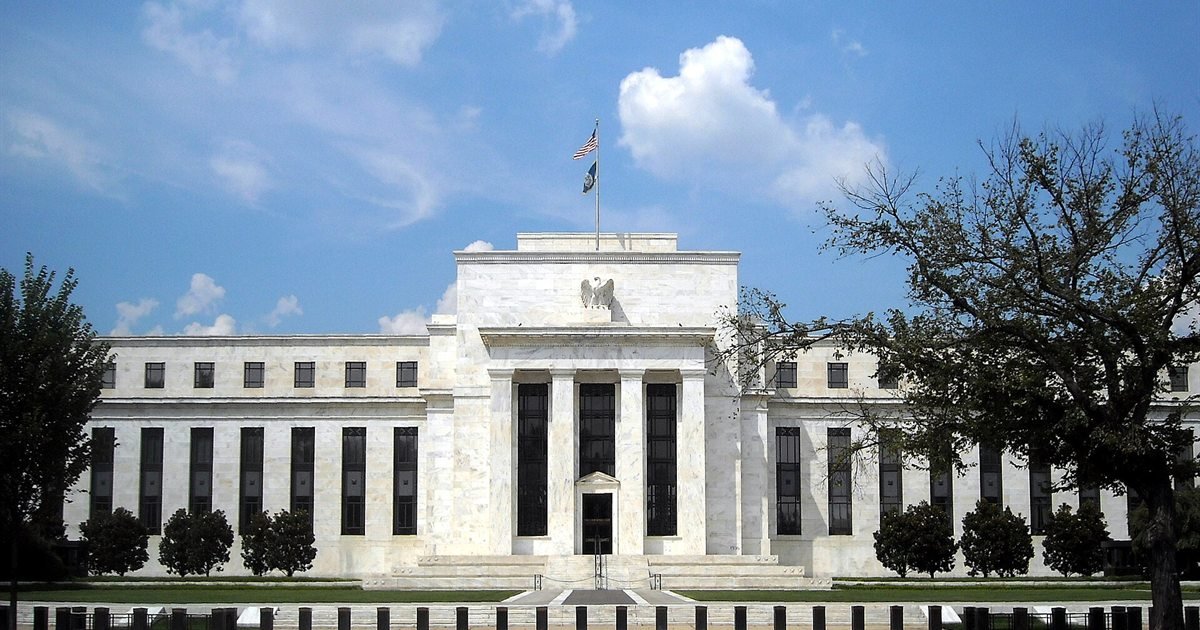
The Marriner S. Eccles Building, headquarters of the US Federal Reserve Board in Washington

Photo: AgnosticPreachersKid, CC BY-SA 3.0, via Wikimedia Commons (cropped).

Start Module 1 →
You’ve completed 0 of 10 modules — 0%.

What you'll be able to do

  • Read GDP, inflation and jobs reports.
  • Explain how banks create money.
  • Describe the mandates and tools of the Bank of Canada and the Federal Reserve.
  • Interpret the yield curve.
  • Assess fiscal policy and debt sustainability.
  • Identify the phase of the business cycle.
  • Explain what moves exchange rates.
  • Connect a macro regime to asset class behaviour.
About the numbersThe lessons use round illustrative numbers, not current data, so they do not go stale. Each practice mission sends the learner to the live figures.
Before you startPrerequisite: Intermediate (Course 2). Tools used: Statistics Canada, the Bank of Canada, the US Bureau of Economic Analysis, Bureau of Labor Statistics and Federal Reserve websites, the FRED database, the RiskStock news section.
How this course worksEach module has objectives, the lesson with worked examples, a practice mission using a real filing, a RiskStock tool or a spreadsheet, and a quiz. Pass a module quiz with 75% to mark it complete; quizzes can be retaken as often as you like. When the modules are done, complete the capstone and the 20-question final exam (pass mark 70%, one retake every 24 hours). Passing both unlocks a certificate of completion, and completing all nine university-level courses earns the Advanced Diploma. Everything is saved in your browser; no account is needed.

The syllabus

Ten modules and about 15 study hours in all: short, dense lessons (about 63 minutes of reading), then the worked problems, practice missions, quizzes and the capstone.

1
Measuring the economy Core
Define GDP, calculate it by expenditure and convert nominal to real growth.
~6 min read · ~1.5 hr with practice
○
2
Inflation Core
Calculate inflation from a price index, distinguish headline from core and explain its causes and costs.
~6 min read · ~1.5 hr with practice
○
3
The labour market Core
Calculate the main labour market rates and explain how employment relates to inflation and growth.
~5 min read · ~1.5 hr with practice
○
4
Money, banks and credit Core
Explain what money is, how commercial banks create it and what limits them.
~7 min read · ~1.5 hr with practice
○
5
Central banks, mandates and tools Core
Compare the Bank of Canada and the Federal Reserve and explain how they set and implement policy.
~7 min read · ~1.5 hr with practice
○
6
Monetary transmission and the yield curve Advanced
Trace how a rate change reaches the economy and interpret the shape of the yield curve.
~7 min read · ~1.5 hr with practice
○
7
Fiscal policy and government debt Advanced
Explain how taxes and spending affect the economy and assess whether public debt is sustainable.
~6 min read · ~1.5 hr with practice
○
8
Business cycles, credit cycles and indicators Advanced
Identify the phases of the business cycle and classify economic indicators.
~6 min read · ~1.5 hr with practice
○
9
Exchange rates and the open economy Advanced
Read a currency quote, explain what moves exchange rates and apply interest rate parity.
~7 min read · ~1.5 hr with practice
○
10
From macro to markets Advanced
Link macro regimes to asset class and sector behaviour and build a routine for following the data.
~6 min read · ~1.5 hr with practice
○

Your notes

Every note you take in a module collects here. They're stored only in this browser, so export them to keep them.

Common questions

Is RS 204 really free?

Yes. All ten modules, the quizzes, the capstone, the 20-question final exam and the certificate are free and need no sign-up. Your progress, scores and notes are saved privately in your own browser.

What should I know before starting?

The suggested prerequisite is Intermediate (Course 2). The 200-level courses can be taken in any order once the prerequisite is done.

How long does it take?

About 15 study hours. The reading itself is short and dense, about 63 minutes; most of the time goes on the worked problems, the practice missions, the quizzes and the capstone.

Is the course for Canadian or US investors?

Both. Where rules, terms or tax treatment differ between Canada and the United States, the module says so and names both versions.

Is the certificate a professional qualification?

No. It is a certificate of completion from a free educational course. It is not a licence, an accreditation or a professional designation.

Who wrote this course?

It was written by Elizabeta Dimoska, founder and writer of RiskStock. RiskStock is educational and is not a registered dealer or adviser.

Keep learning

Related on RiskStock: Reading the macro · The yield curve and the Bank of Canada · Interest rates and your portfolio · All nine university-level courses

Educational content only — not investment, tax or legal advice. Companies, tickers and figures in this course are illustrative examples, not recommendations to buy or sell any security. Regulatory figures, limits and tax rules change; confirm current details with the regulator or tax authority. Worked examples are not forecasts. RiskStock is not a registered dealer or adviser, and its certificates are certificates of completion, not licences. Course written by Elizabeta Dimoska.