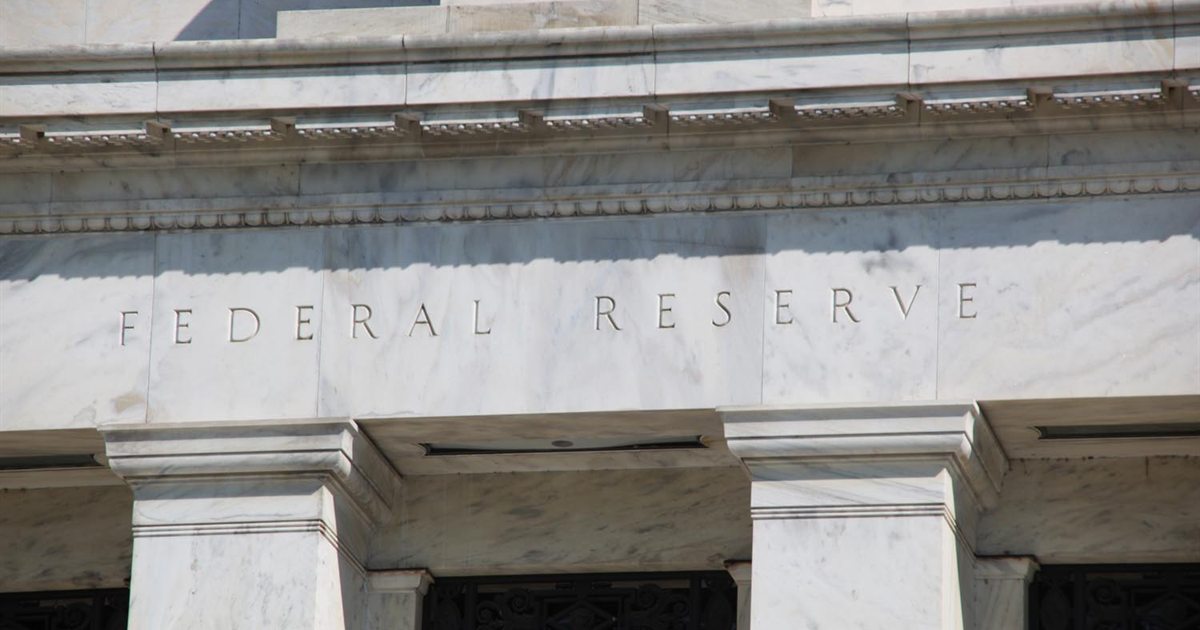
Photo: Tim Evanson / Wikimedia Commons, CC BY-SA 2.0, cropped
Fed Decision Today: Why a Hold at 3.75%–4.00% Is Expected, and Why December Is the Real Question
- The Federal Reserve announces its decision at 2:00 p.m. ET on Wednesday, October 28. Chair Kevin Warsh holds a press conference at 2:30 p.m.
- The federal funds target range is 3.75%–4.00% after a 25 basis point hike in September, the Fed's first increase in three years.
- Markets expect a hold. CME FedWatch put the chance of an October hike at roughly 10%, and a Reuters survey found 94 of 100 economists expect no change.
- Traders price about an 83% chance of a hike on December 9, which would lift the range to 4.00%–4.25%.
- There is no new dot plot at this meeting, so the statement wording and Warsh's tone matter more than usual.
What happens today
The Federal Reserve's two-day meeting ends on Wednesday, October 28. The decision comes at 2:00 p.m. ET, followed by Chair Kevin Warsh's press conference at 2:30 p.m.
Almost nobody expects a change. The federal funds target range sits at 3.75%–4.00% after the Fed raised rates by a quarter point in September, its first hike in three years. CME FedWatch put the odds of another hike today at only about 10%, and 94 of 100 economists surveyed by Reuters expect a hold.
So why does this meeting matter? Because markets have already moved on to December.
The case for holding today
Two forces are pulling in opposite directions:
| Pushing the Fed to hike | Pushing the Fed to wait |
|---|---|
| September CPI rose 3.7% from a year earlier, driven by gasoline | Employers added only 29,000 jobs in September |
| Oil is still near $100 a barrel (WTI) and Brent above $110 | Consumers spent cautiously over the summer |
| Inflation expectations remain elevated | The September hike hasn't fully worked through yet |
With no new economic projections or "dot plot" at this meeting, the Fed can hold, keep its options open and wait for more data. Many economists call this a "hawkish pause": no move today, but a clear signal that another hike is still on the table.
December is the real question
CME FedWatch showed about an 83% probability of a hike at the December 8–9 meeting as of October 27. That would lift the range to 4.00%–4.25%.
Three things will decide it:
- Thursday's PCE inflation report, the Fed's preferred inflation gauge.
- The October jobs report in early November.
- October CPI, due in mid-November.
If inflation stays sticky because of energy, December looks likely. If the job market weakens further, the Fed may wait.
What to watch at 2 p.m.
- The statement's last paragraph. Does it still say the committee is prepared to "adjust" policy, or does it hint at "further firming"? A tilt toward firming would confirm December.
- Dissents. Three officials dissented in favour of a hike in July. Any dissent today would signal pressure building.
- Warsh on energy. Does he treat high oil prices as temporary, or as a risk to longer-term inflation expectations?
- Balance sheet comments. Any change to the pace of balance-sheet runoff affects long-term yields.
How markets are positioned
Stocks rallied into the meeting. The S&P 500 closed at 7,722.60 on Tuesday, up 0.6% and about 1.2% below its record. The 10-year Treasury yield was about 4.99% and the 2-year about 4.74%.
That means the market is calm about today but sensitive to surprises. A hawkish tone could push the 10-year back above 5%, which has weighed on stocks before. Read our explainer on what 5% Treasury yields mean for stocks.
What it means for you
Mortgages: Rates follow the 10-year Treasury. With yields near 5%, 30-year mortgage rates remain high. A hawkish Fed today could keep them there.
Savings: High-yield savings accounts, money market funds and Treasury bills are still paying well because short-term rates are high. If a December hike happens, cash yields could tick up again. See how to lock in today's yields.
Credit cards and HELOCs: These follow the prime rate, which moves with the fed funds rate. No change today, but a December hike would raise them by another quarter point.
Stocks: A hold is priced in. The reaction will come from Warsh's words. Long-term investors shouldn't trade on one press conference. Our guide to Fed hiking cycles and your portfolio explains why.
The bottom line
Expect a hold at 3.75%–4.00%. Listen for whether the Fed keeps December firmly on the table. Thursday's PCE report is the next big test.
Frequently asked questions
What time is the Fed decision on October 28, 2026?
The Federal Open Market Committee releases its statement at 2:00 p.m. Eastern Time on Wednesday, October 28, 2026. Chair Kevin Warsh's press conference begins at 2:30 p.m. ET.
Will the Fed raise rates on October 28, 2026?
A hike is not expected. Futures markets priced roughly a 10% chance of an October increase heading into the meeting, and 94 of 100 economists in a Reuters survey expected the Fed to hold the federal funds range at 3.75%–4.00%.
What is the federal funds rate right now?
The target range is 3.75% to 4.00%. The Fed raised it by a quarter point in September 2026, its first increase in three years, because inflation re-accelerated as energy prices surged.
Will the Fed hike in December 2026?
Markets think it's likely. CME FedWatch showed about an 83% probability of a 25 basis point hike at the December 8–9 meeting as of October 27. Thursday's PCE inflation report and November's jobs and CPI data will decide it.
What does the Fed decision mean for mortgage rates?
Mortgage rates track longer-term Treasury yields more than the fed funds rate. The 10-year Treasury yield was about 4.99% on October 27. A hawkish message today could push yields, and mortgage rates, higher. A softer tone could bring them down.
Primary sources
Data & disclaimer: This article is for educational purposes only and is not financial or investment advice. Figures reflect data available as of Oct 28, 2026, and conditions change — always confirm current pricing, rates and rules with the provider before you act. Written by Elizabeta Dimoska. See our editorial standards and disclosure.
Comments