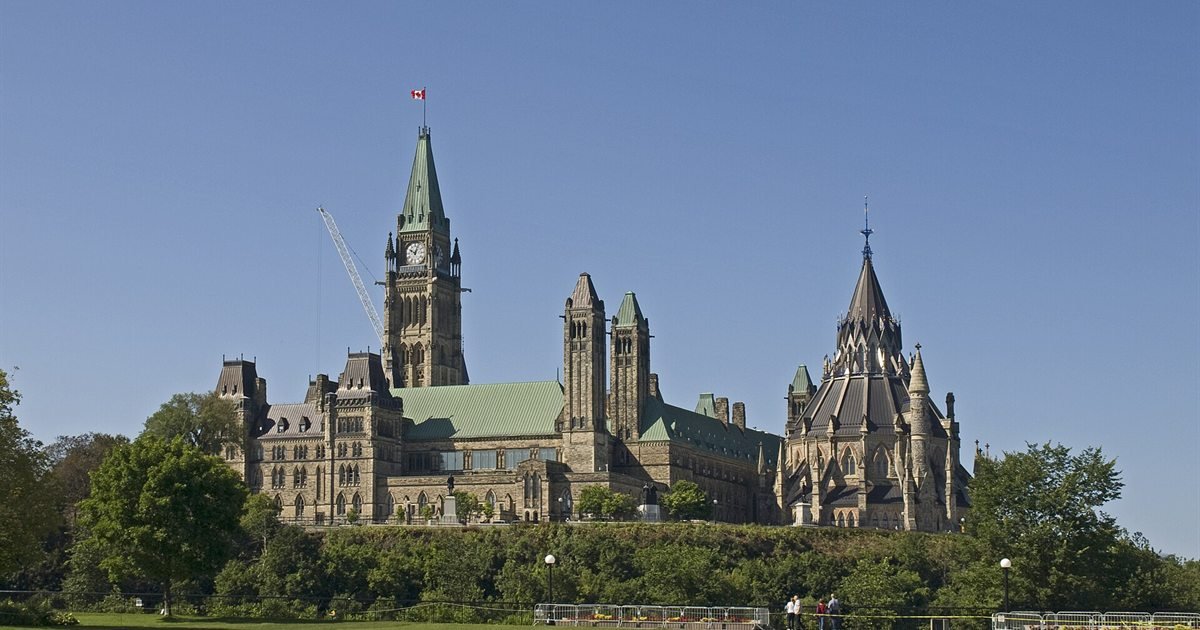
Photo: Ymblanter / Wikimedia Commons, CC BY-SA 4.0, cropped
Canada Budget 2026 on November 5: The $63 Billion Deficit, Defence, Housing and What Investors Should Watch
- Budget 2026, titled "Masters of Our Destiny," is tabled Thursday, November 5, 2026, by Finance Minister François-Philippe Champagne. It is the second budget under Prime Minister Mark Carney.
- The Parliamentary Budget Officer projects a $63.3 billion deficit for 2026-27, rising to $70.2 billion in 2027-28.
- Champagne says the budget is about "changing Canada's growth model": unlocking private investment, lifting productivity and new small-business tax incentives.
- Watch for: defence spending, the next National Housing Strategy, the productivity mega-deduction, any detail on a sovereign wealth fund, and the government's bond borrowing plan.
- It lands two days after the US midterms and a week after the Bank of Canada's first rate hike in three years.
What's happening Thursday
Finance Minister François-Philippe Champagne tables Budget 2026 on Thursday, November 5. The government has titled it "Masters of Our Destiny," and says it lays out a plan for a more independent, resilient economy while making life more affordable.
It's the second budget under Prime Minister Mark Carney, and the timing is loaded: it lands two days after Democrats won control of the US Congress (our report) and a week after the Bank of Canada's first rate hike in three years.
The numbers to watch
| Item | Latest estimate |
|---|---|
| 2026-27 deficit | $63.3 billion (PBO projection) |
| 2027-28 deficit | $70.2 billion (PBO projection) |
| Defence spending | About 2.5% of GDP by 2030 on current plans (Scotiabank estimate) vs. NATO's new 5% target |
Carney has said Canada's fiscal position will look "absolutely clear" when the budget is tabled. RBC and Scotiabank economists say the deficit path probably won't differ dramatically from last year's budget. Fiscal hawks quoted by BNN Bloomberg want to see a credible plan to stop debt rising as a share of the economy.
Five things investors should watch
1. A new growth model. Speaking in Toronto on November 2, Champagne said the budget is about "changing Canada's growth model," with a focus on unlocking private investment and lifting productivity.
2. Small-business tax incentives. Champagne hinted at new help for small businesses and said the productivity mega-deduction isn't only for large firms. Read our explainer on the mega-deduction.
3. Defence. Canada has committed to raise defence spending toward NATO's targets. Scotiabank notes that most of the cost may sit beyond the five-year budget window. Defence contractors, shipbuilders and engineering firms are the obvious beneficiaries.
4. Housing. RBC expects a possible next version of the National Housing Strategy. The House finance committee has floated a permanent home-renovation tax credit. Watch for updates on Build Canada Homes.
5. Bond issuance. Scotiabank expects an updated borrowing plan. More bonds than expected could push yields higher, which feeds into fixed mortgage rates. See how bond yields set mortgage rates.
Two open questions Champagne didn't answer: whether the budget gives more detail on a sovereign wealth fund, and whether airports will be opened to private investment.
What Canadians expect
An Abacus Data poll found 67% of Canadians expect more money for defence and 55% expect measures to speed up housing construction. Affordability topped the list of concerns, but few respondents expected the budget to make their lives better.
What it means for your money
- TFSA and RRSP: No changes have been announced. The 2027 TFSA limit is set by inflation indexing and is likely to rise to $7,500 (our explainer). Check the budget for any surprises on capital gains or registered accounts.
- Mortgages: Bigger borrowing could nudge 5-year bond yields higher, and fixed mortgage rates with them.
- Stocks: Budgets rarely move the TSX much. Companies tied to defence, infrastructure and housing are the most exposed.
- The loonie: The Canadian dollar responds more to the Bank of Canada, oil and US trade than to the budget.
What to watch next
- Thursday, November 5: Budget tabled in the House of Commons.
- Friday, November 6: Canada's October Labour Force Survey and the US jobs report.
- Ongoing: Canada–US trade talks. Trade Minister Dominic LeBlanc said the midterms won't change Ottawa's approach.
Frequently asked questions
When is the 2026 Canadian federal budget?
Budget 2026 is tabled on Thursday, November 5, 2026, by Finance Minister François-Philippe Champagne. Its title is 'Masters of Our Destiny.' Budget documents are typically released after markets close, around 4 p.m. ET.
How big is Canada's deficit expected to be?
The Parliamentary Budget Officer projects a deficit of $63.3 billion for 2026-27, rising to $70.2 billion in 2027-28. The government's own figures will be published in the budget.
Will Budget 2026 change the TFSA or RRSP?
Nothing has been announced. The TFSA annual limit is set by indexation, not the budget, and is likely to rise to $7,500 for 2027. Watch the budget documents for any changes to registered accounts, capital gains or the home buyers' plan.
How could the budget affect the stock market and the loonie?
A bigger-than-expected deficit could mean more government bond issuance, which can push bond yields up. Spending on defence, infrastructure and housing could help construction, engineering and materials companies. Budgets rarely move the TSX much on their own.
What is the productivity mega-deduction?
It is a tax measure that lets businesses write off certain investments faster. Champagne has said it is not only for large companies, and the budget may expand incentives for small businesses.
Primary sources
- Department of Finance Canada — Government of Canada to release Budget 2026 on November 5
- CP24 / The Canadian Press — Federal budget is about 'changing Canada's growth model,' finance minister says
- Global News — Small business tax troubles a target of federal budget: Champagne
- RBC Economics — Canadian federal Budget 2026: Looking for disciplined execution
- Scotiabank Economics — Anticipating Canada's 2026 Federal Budget: Ambition, Meet Arithmetic
- BNN Bloomberg — Here's what fiscal hawks are watching out for in Budget 2026
- Abacus Data — Budget 2026: Affordability tops Canadians' concerns
Data & disclaimer: This article is for educational purposes only and is not financial or investment advice. Figures reflect data available as of Nov 4, 2026, and conditions change — always confirm current pricing, rates and rules with the provider before you act. Written by Elizabeta Dimoska. See our editorial standards and disclosure.
Comments