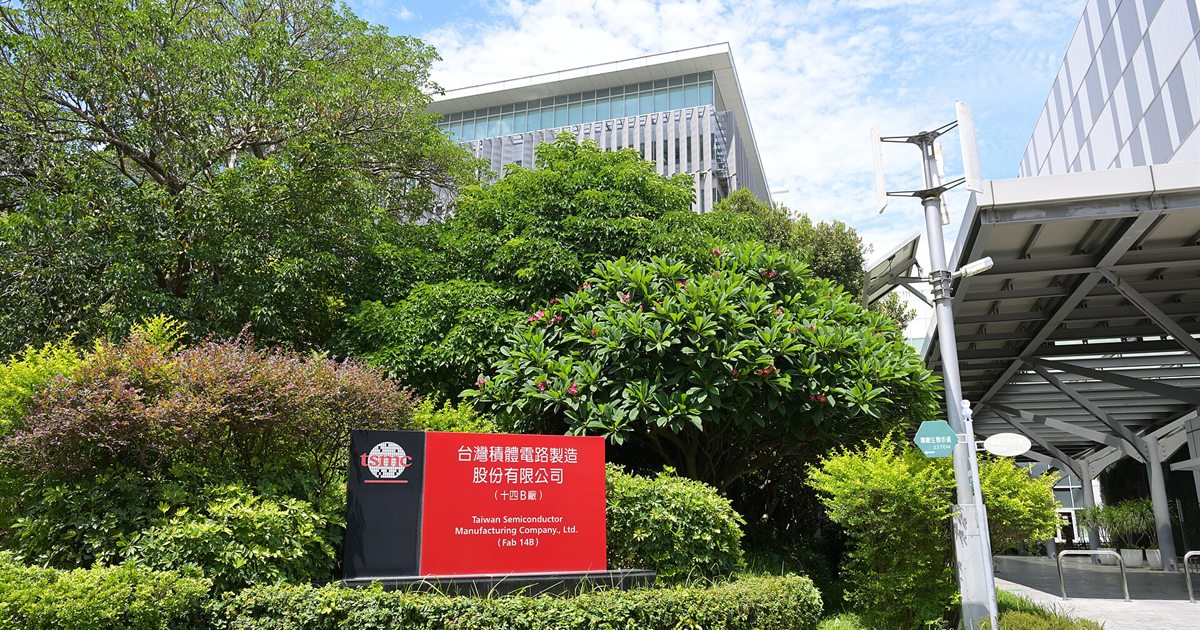
Photo: 4300streetcar / Wikimedia Commons, CC BY 4.0, cropped
TSMC Posted Record Profit and Raised Its Outlook. The Stock Fell Anyway. What That Tells You About the AI Trade
- TSMC's Q3 2026 revenue was US$46.72 billion, up 41.2% from a year earlier and 16.2% from Q2.
- Net income was NT$763.06 billion, up 68.7%. EPS was US$4.60 per ADR.
- Gross margin was 66.4%. Advanced chips (7nm and below) were 79% of wafer revenue; 2nm was 8%.
- Q4 guidance: revenue of US$52.3-54.3 billion, gross margin of 65-67%.
- TSMC's US shares fell about 1.8% on October 15 and 2.3% on October 16 amid a broad chip selloff.
What happened
Taiwan Semiconductor Manufacturing Co., the world's largest contract chipmaker, reported third-quarter results on Thursday, October 15. It beat expectations almost across the board.
| Measure | Q3 2026 | Change |
|---|---|---|
| Revenue (US$) | $46.72 billion | +41.2% year on year, +16.2% vs Q2 |
| Revenue (NT$) | NT$1,494.24 billion | +50.9% year on year |
| Net income | NT$763.06 billion | +68.7% year on year |
| EPS per ADR | US$4.60 | +68.7% |
| Gross margin | 66.4% | — |
| Operating margin | 58.7% | — |
| Net margin | 51.1% | — |
Source: TSMC earnings release (Form 6-K), October 15, 2026.
Put simply, TSMC kept more than half of every dollar of sales as profit.
Where the money comes from
Almost everything TSMC sells now is cutting-edge. Chips made on 7-nanometer processes or smaller were 79% of wafer revenue:
- 3nm: 33%
- 5nm: 28%
- 7nm: 10%
- 2nm: 8%, in its first big quarter
High-performance computing, the category that includes AI accelerators, was about 68% of revenue, according to the earnings call. Smartphones were about 21%.
The 2nm ramp is expensive, which is why gross margin slipped slightly from the previous quarter. The CFO said the company expects continued strong demand, including "the steep ramp-up of our 2-nanometer technology."
The outlook got bigger
TSMC guided fourth-quarter revenue to $52.3 billion to $54.3 billion, another big step up, with a gross margin of 65% to 67%. According to call coverage, management also raised its full-year growth outlook to about 44% in US dollars and kept its capital spending plans unchanged.
So why did the stock fall?
Timing. The results landed in the middle of the worst week for AI stocks in months:
- The PHLX Semiconductor index fell for eight straight sessions, before rebounding on Monday, October 19.
- Investors were rattled by the debt piling up behind AI data centers, especially at CoreWeave, whose bonds now yield close to 15% (our CoreWeave report).
- Hotter US inflation raised fears of more Fed hikes, which makes borrowing for data centers costlier.
TSMC's US-listed shares fell about 1.8% on October 15 and 2.3% on October 16, closing at about $412.61.
The lesson: in a market driven by fear about financing, even great demand numbers don't stop a selloff. But TSMC's results are hard evidence that AI chip orders are still growing fast right now.
What it means for investors
- AI demand looks real for now. TSMC sees orders months ahead. A bigger Q4 forecast is a strong signal.
- The risk is the financing chain. If the companies buying chips can't raise money, orders slow later. That is what the market is pricing.
- Concentration: if you own an S&P 500 or Nasdaq-100 fund, you already have a lot of AI exposure. See how much AI you already own.
What to watch next
- This week: Meta and other big tech earnings, and what they say about AI spending plans for 2027.
- January 2027: TSMC's Q4 results and full-year 2027 capital spending guidance.
Frequently asked questions
How much money did TSMC make in Q3 2026?
TSMC earned NT$763.06 billion in net income in the third quarter of 2026, up 68.7% from a year earlier, on revenue of US$46.72 billion. Earnings were US$4.60 per ADR. It was the company's sixth straight quarter of record profit, according to CNBC.
Why did TSMC stock fall after strong earnings?
The results landed in the middle of a broad AI and semiconductor selloff driven by worries about how AI data centers are being financed, particularly the heavy debt at companies like CoreWeave, plus hotter US inflation. The PHLX Semiconductor index fell for eight straight sessions. TSMC's shares fell about 1.8% and 2.3% on October 15 and 16.
What is TSMC's outlook for Q4 2026?
TSMC guided fourth-quarter revenue to US$52.3 billion to US$54.3 billion, with a gross margin of 65% to 67% and an operating margin of 56.5% to 58.5%. Management also raised its full-year revenue growth outlook to about 44% in US dollars, according to call coverage.
How much of TSMC's revenue comes from AI?
TSMC doesn't report AI revenue as a single line, but high-performance computing, which includes AI accelerators and data center chips, made up about 68% of revenue in Q3 2026, according to the earnings call. Smartphones were about 21%.
Is TSMC a good way to invest in AI?
TSMC makes chips for almost every major AI designer, so it benefits whichever designer wins. It also carries risks: heavy concentration in Taiwan, cyclical demand, and exposure to any slowdown in AI spending. Many investors get exposure through broad semiconductor or technology ETFs rather than single stocks. This is not a recommendation.
Primary sources
- TSMC — Q3 2026 earnings release, Form 6-K (SEC)
- SiliconANGLE — TSMC posts strong third-quarter results, but shares drop amid AI selloff (Oct. 15, 2026)
- CNBC — TSMC posts record profit for a sixth straight quarter, beating estimates on AI boom (Oct. 15, 2026)
- The Motley Fool — TSMC (TSM) Q3 2026 earnings call transcript
- Investing.com — These tech stocks held up during the early-Oct AI selloff
Data & disclaimer: This article is for educational purposes only and is not financial or investment advice. Figures reflect data available as of Oct 20, 2026, and conditions change — always confirm current pricing, rates and rules with the provider before you act. Written by Elizabeta Dimoska. See our editorial standards and disclosure.
Comments