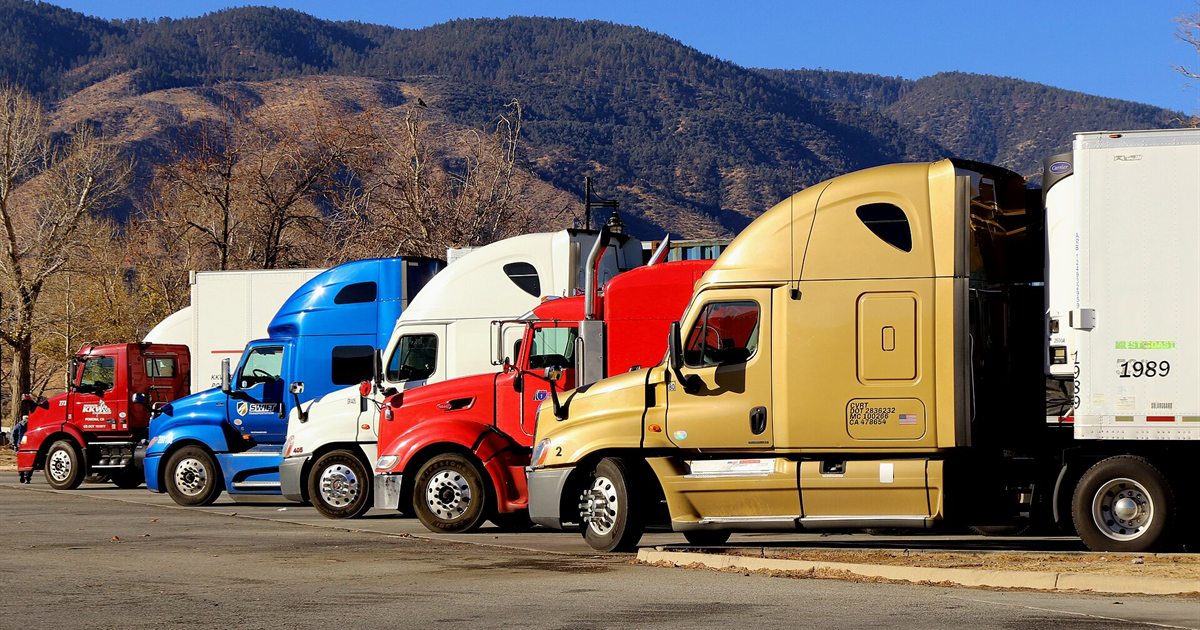
Photo: Thank You (21 Millions+) views / Wikimedia Commons, CC BY 2.0, cropped
C.H. Robinson Fell 11% the Day It Announced a $5.8 Billion Deal. Why Buyers Often Drop When They Go Shopping
- C.H. Robinson agreed to buy RXO in a deal worth $5.8 billion including debt, announced October 5, 2026.
- RXO holders get $17.25 in cash plus 0.0856 C.H. Robinson shares for each share. That was worth $30.25, a 29% premium.
- C.H. Robinson's stock fell almost 11%, down $17.11 to $140.61.
- Because part of the payment is in stock, the drop cut the deal's value to RXO holders to roughly $29.29 a share.
- C.H. Robinson expects $300 million a year in cost savings and will pause share buybacks. Closing is expected in the first half of 2027.
The deal
On Monday, October 5, C.H. Robinson said it will buy RXO. Both are freight brokers, companies that connect businesses that need to ship goods with truckers who can carry them.
| Total value, including debt | $5.8 billion |
| Paid per RXO share | $17.25 cash + 0.0856 C.H. Robinson shares |
| Value at announcement | $30.25 per share |
| Premium | 29% over RXO's October 2 close |
| Mix | About 57% cash, 43% stock |
| Expected close | First half of 2027 |
C.H. Robinson already handles 37 million shipments a year for more than 75,000 customers. Adding RXO makes the biggest player in the business bigger.
The reaction: buyer down, target up
RXO shares rose. C.H. Robinson shares fell almost 11%, closing at $140.61.
That's the opposite of what you might expect from a company that just announced its "next step in transformation." But it's common. Here's why investors sold.
1. New debt. The cash part will be paid with borrowed money. More debt means more interest, at a time when rates are high.
2. New shares. C.H. Robinson will issue stock to RXO holders, who will end up owning about 11% of the combined company. Existing shareholders' slices shrink.
3. No more buybacks, for now. The company will stop repurchasing its own shares until its debt is back down to target, which it expects by the end of 2028. Buybacks had been supporting the stock.
4. Integration risk. Merging two large companies is hard. Customers leave, systems clash, and promised savings arrive late. C.H. Robinson is promising $300 million a year in savings within two years of closing.
5. The premium. Paying 29% above market price means the buyer hands a chunk of the future benefit to the seller up front.
Why this matters to RXO shareholders
This is the key difference between an all-cash deal and a cash-and-stock deal.
When Schneider Electric offered $205 in cash for PTC the same morning, that number was fixed. Nothing the buyer's stock does can change it.
RXO holders are getting part of their payment in C.H. Robinson shares. When those shares fell, so did the value of the offer:
- Cash: $17.25
- Stock: 0.0856 × $140.61 = about $12.04
- Total: about $29.29, down from $30.25
The lower the buyer's stock goes, the less the seller's shareholders receive.
What it means if you own either stock
If you own RXO: you got a quick gain. But until the deal closes, your payout moves with C.H. Robinson's share price. You can sell now, or wait and end up owning some C.H. Robinson stock.
If you own C.H. Robinson: the drop reflects doubt, not disaster. Management says the deal will add to earnings per share within nine months of closing. The market wants proof.
If you own neither: you've just seen a pattern worth remembering. Research going back decades finds that, on average, most of the gains from a takeover go to the shareholders of the company being bought, not the buyer.
The takeaway
When a company you own announces a big acquisition, check three things:
- How is it paying? Cash, stock or both.
- How much debt is it adding?
- What is it giving up? Often buybacks or dividend growth.
Then give it time. Whether a deal was smart usually takes two or three years to show.
Frequently asked questions
How much is C.H. Robinson paying for RXO?
The deal has an implied value of $5.8 billion including debt. RXO shareholders receive $17.25 in cash and 0.0856 shares of C.H. Robinson for each RXO share. Based on C.H. Robinson's average price before the announcement, that was worth $30.25 per share, 29% above RXO's last close.
Why did C.H. Robinson stock fall after the announcement?
Investors worried about the price, the new debt taken on to pay the cash portion, the pause in share buybacks, and the risk of combining two large companies. C.H. Robinson is also issuing new shares, which leaves existing holders with a smaller slice of the company.
What do RXO shareholders get?
The standard payment is $17.25 in cash plus 0.0856 C.H. Robinson shares per RXO share. Holders can ask for all cash at $30.25 or all stock at 0.1992 shares, but those choices are limited so that the total paid out stays at about 57% cash and 43% stock.
Why did the value of the RXO deal change after it was announced?
Part of the payment is in C.H. Robinson shares. When those shares fell to $140.61, the stock portion was worth less. At that price, 0.0856 shares is worth about $12.04, so the total is about $29.29 per RXO share, down from $30.25.
What is a freight broker?
A freight broker is a middleman. It does not own most of the trucks. It matches companies that need goods moved with trucking firms that have space, and keeps the difference between what the shipper pays and what the trucker receives.
Primary sources
Data & disclaimer: This article is for educational purposes only and is not financial or investment advice. Figures reflect data available as of Oct 9, 2026, and conditions change — always confirm current pricing, rates and rules with the provider before you act. Written by Elizabeta Dimoska. See our editorial standards and disclosure.
Comments