How to Buy the S&P 500 in Canada (2026): VFV vs ZSP vs XUS vs VOO, and Which Account to Use
The simplest way is to buy a Canadian-listed S&P 500 ETF in Canadian dollars through any online broker. VFV (Vanguard), ZSP (BMO) and XUS (iShares) all track the same index for about 0.09% to 0.10% a year. They're nearly identical, so pick whichever your broker lets you trade most cheaply. Currency-hedged versions are VSP, ZUE and XSP. The US-listed VOO costs just 0.03% but you need US dollars to buy it, so it mainly makes sense for larger amounts inside an RRSP, where it also avoids the 15% US withholding tax on dividends.
What you're buying
The S&P 500 is a list of about 500 of the largest US companies: Apple, Microsoft, Nvidia, Amazon and so on. You can't buy the index itself. You buy a fund that holds all the companies in it.
For Canadians there are two routes.
Route 1: A Canadian-listed ETF (the easy way)
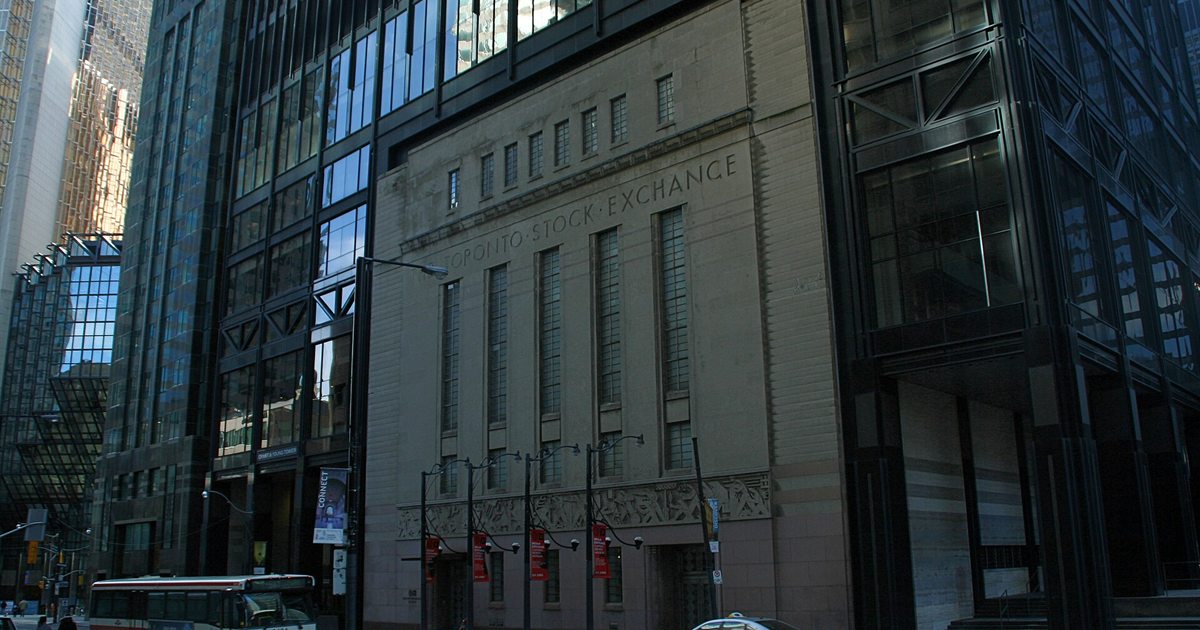
These trade on the Toronto Stock Exchange in Canadian dollars.
| ETF | Provider | Hedged? | Approx. fee (MER) |
|---|---|---|---|
| VFV | Vanguard | No | ~0.09% |
| ZSP | BMO | No | ~0.09% |
| XUS | iShares | No | ~0.10% |
| VSP | Vanguard | Yes | ~0.09% |
| ZUE | BMO | Yes | ~0.09% |
| XSP | iShares | Yes | ~0.10% |
A 0.09% fee means $9 a year for every $10,000 invested. Fees can change, so check the fund's page before you buy.
Which one? It barely matters. They hold the same 500 companies. VFV is the largest. If your broker offers one of them commission-free, use that one. We compare them head to head on our VFV vs ZSP page.
Route 2: A US-listed ETF
The US versions are VOO, IVV and SPY. VOO and IVV charge just 0.03%. (See VOO vs SPY vs IVV.)
The catch: they trade in US dollars. To buy them you have to convert your Canadian dollars, and most brokers charge around 1.5% each way. On $10,000, that's about $150 going in, which wipes out more than 20 years of the fee savings versus VFV.
There are ways around it:
- Norbert's gambit, a method of converting currency for a few dollars. See Norbert's gambit explained.
- Brokers with low conversion fees or US-dollar accounts.
More in the cheapest way to buy US stocks from Canada and our VFV vs VOO comparison.
Hedged or unhedged?
When you own US stocks, you also own US dollars.
- Unhedged (VFV, ZSP, XUS): if the US dollar rises against the loonie, you gain extra. If it falls, you lose a bit.
- Hedged (VSP, ZUE, XSP): the fund cancels out most currency movement, so you get roughly the index's return in US-dollar terms.
Most long-term investors go unhedged. Hedging has a small cost, and the US dollar often rises when stock markets fall, which cushions unhedged holders. More in currency-hedged vs unhedged ETFs.
Which account?
The US government keeps 15% of dividends paid to Canadians. Whether you lose that money depends on the ETF and the account:
| Account | Canadian-listed (VFV) | US-listed (VOO) |
|---|---|---|
| RRSP | 15% lost | No withholding |
| TFSA / FHSA / RESP | 15% lost | 15% lost |
| Non-registered | Withheld, but you can claim a foreign tax credit | Withheld, but you can claim a foreign tax credit |
The S&P 500's dividend yield is a little over 1%, so 15% of that is roughly 0.15% to 0.20% a year. It's a small drag, and it's the reason VOO in an RRSP is the most tax-efficient combination.
For most people starting out, VFV or ZSP in a TFSA is perfectly fine. Don't let a 0.2% difference stop you from getting started. Full details: US withholding tax by account.
How to buy, step by step
- Open an account at an online broker. A TFSA is a good place to start. See how to open a TFSA.
- Deposit Canadian dollars from your bank.
- Search the ticker, for example VFV.
- Choose "Buy" and enter how many shares, or a dollar amount if your broker offers fractional shares.
- Use a limit order and set the price at or just above the current ask. This protects you from a bad fill. See market vs limit orders.
- Place the order during market hours (9:30 a.m. to 4:00 p.m. Eastern). Avoid the first and last few minutes of the day.
- Set up automatic contributions so you keep buying every month.
Things to know before you buy
It's 100% US stocks. No Canada, no Europe, no Asia, no bonds. Many Canadians pair it with a Canadian and an international fund, or use a single all-in-one ETF that includes the S&P 500 along with everything else.
It's concentrated. A handful of giant tech companies make up a large share of the index. See S&P 500 concentration risk.
It can fall a lot. The index has dropped by a third or more several times. It has always recovered eventually, but only people who held on got the recovery.
Past returns aren't a promise. The last 15 years were unusually good for US stocks.
The bottom line
Buying the S&P 500 from Canada takes one ETF and about five minutes. Pick VFV, ZSP or XUS, hold it in a TFSA or RRSP, add to it regularly, and leave it alone. Once your RRSP is large enough that currency conversion costs are worth the effort, look at VOO.
Frequently asked questions
Can Canadians invest in the S&P 500?
Yes. The easiest way is a Canadian-listed ETF that tracks the S&P 500, such as VFV, ZSP or XUS. They trade in Canadian dollars on the Toronto Stock Exchange and can be held in a TFSA, RRSP, FHSA, RESP or regular account.
Which is better, VFV or ZSP or XUS?
They're almost the same product. All three hold the S&P 500 and charge about 0.09% to 0.10% a year. Differences in returns are tiny. Choose based on which one your broker lets you buy commission-free, or simply the one you'll stick with.
Should I buy VFV or VOO?
For most Canadians, VFV is simpler because you buy it in Canadian dollars. VOO has a lower fee (0.03%) but needs US dollars, and brokers typically charge about 1.5% to convert unless you use Norbert's gambit. VOO tends to be worth it for larger sums held in an RRSP.
Can I hold an S&P 500 ETF in my TFSA?
Yes. Keep in mind that the US withholds 15% of dividends from US stocks, and in a TFSA that tax can't be recovered. With the S&P 500 yielding a bit over 1%, the cost is roughly 0.15% to 0.20% a year. Most investors accept it for the TFSA's tax-free growth.
Should I buy the hedged or unhedged S&P 500 ETF?
Unhedged ETFs like VFV rise when the US dollar strengthens against the Canadian dollar and fall when it weakens. Hedged ETFs like VSP remove most of that effect but cost a little more to run. For long-term investors, unhedged is the more common choice, since currency moves tend to even out over time.
What is the minimum to invest in the S&P 500 in Canada?
The price of one share, or less at brokers that offer fractional shares. Some Canadian brokers let you start with as little as $1.
Primary sources
Data & disclaimer: This article is for educational purposes only and is not financial or investment advice. Figures reflect data available as of Oct 3, 2026, and conditions change — always confirm current pricing, rates and rules with the provider before you act. Written by Elizabeta Dimoska. See our editorial standards and disclosure.
Comments