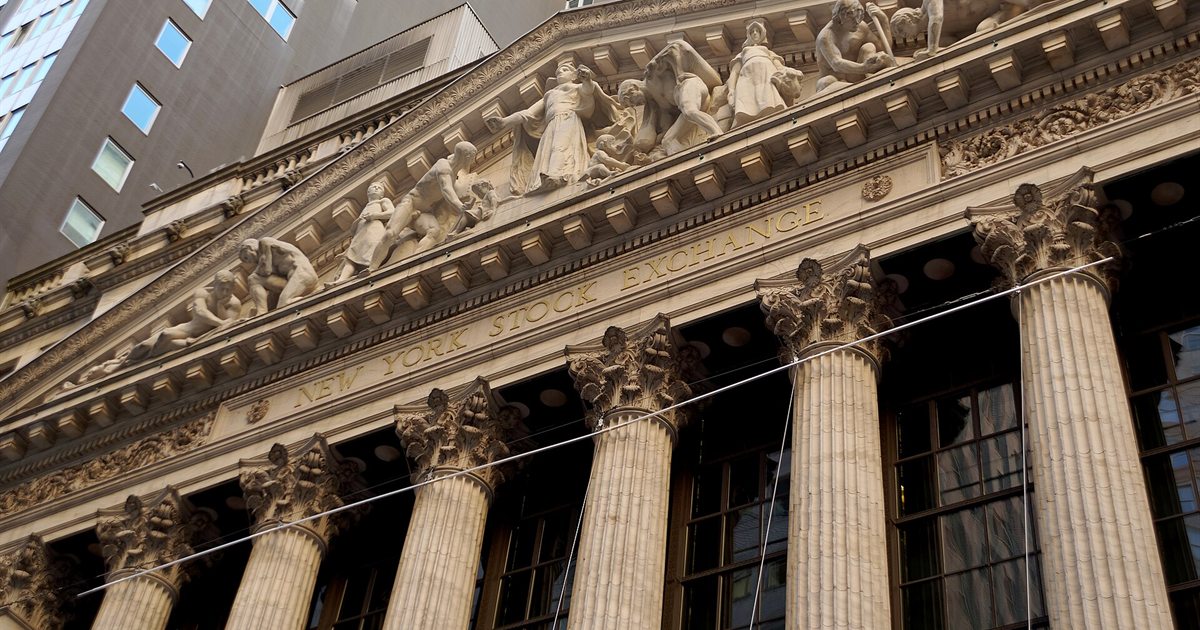
Photo: Jakub Hałun / Wikimedia Commons, CC BY 4.0, cropped
How to Buy IPO Stock in 2026: Can Regular Investors Get Shares of Anthropic and Other Big IPOs?
You can buy IPO stock in three ways. 1. Before trading starts: request shares through a broker that offers IPO access (such as Fidelity, Schwab, E*TRADE, Robinhood or SoFi), submit a conditional offer during the offering period, and hope for an allocation; popular IPOs are heavily oversubscribed, so you may get few or none. 2. On the first trading day: buy on the exchange like any stock once it opens, using a limit order, never a market order. 3. Later: wait for the price to settle, the lockup to expire (usually ~180 days) or the stock to join an index fund. For most people, buying a small amount after trading starts, or simply holding a broad index fund, is the practical choice.
Why everyone is asking
On October 26, 2026, Anthropic filed to go public on the Nasdaq under the ticker ANT (our report). It could be one of the largest IPOs ever. Earlier this year, SpaceX's listing drew a similar rush.
Big IPOs create a simple question with a complicated answer: can a regular person get in?
First, how an IPO actually works
- Filing. The company files a registration statement (an S-1) with the SEC describing its business, finances and risks.
- Roadshow. Bankers pitch the stock to big investors and gauge demand.
- Pricing. The night before trading, the company and its underwriters set the offer price and allocate shares, mostly to institutions.
- First trade. The next morning, the stock opens on the exchange. The opening price can be far above, or below, the offer price.
- Lockup. Insiders usually can't sell for about 180 days.
Retail investors can participate at step 3, through a broker, or at step 4, on the open market.
Option 1: Get shares at the offer price (IPO access)
Several US brokers have programs that let eligible customers request shares at the IPO price:
| Broker | Program | Typical requirements |
|---|---|---|
| Fidelity | IPO & new issues | Eligibility based on account assets/activity |
| Charles Schwab | Equity offerings | Eligibility based on assets/trading experience |
| E*TRADE (Morgan Stanley) | IPO access | Eligibility questionnaire; allocations limited |
| Robinhood | IPO Access | Available on many deals; allocations limited |
| SoFi Invest | IPO investing | Available on some deals |
Rules change often, and not every broker gets shares in every IPO. Check your broker's IPO page before a deal is priced.
Step by step
- Confirm your broker is in the deal. Brokers can only offer shares if they're part of the selling group.
- Check eligibility. Some require minimum balances, a trading history or a questionnaire.
- Read the prospectus. You'll be asked to confirm you've received it.
- Submit a conditional offer. You say how many shares you want and the maximum price you'll pay. If the IPO prices above your maximum, your order is cancelled.
- Reconfirm. When the price is set, you may need to confirm your order quickly, sometimes within an hour or overnight.
- Wait for allocation. For hot IPOs, demand can be many times the supply. Expect a partial fill or nothing.
The fine print
- Flipping rules. Many brokers restrict future IPO access if you sell within a set period, often around 30 days.
- Cash required. You usually need the full amount in your account when you submit.
- No guarantee of profit. Shares bought at the offer price can still fall below it on day one.
Option 2: Buy on the first trading day
Once the stock starts trading, anyone with a brokerage account can buy it, like any other stock.
- Know the ticker and which exchange it trades on (ANT on Nasdaq for Anthropic).
- Be patient. IPOs often open hours after the market opens, once bankers balance buy and sell orders.
- Use a limit order. Set the maximum price you'll pay. A market order on a hot IPO can fill far above what you saw on screen. See market vs limit orders.
- Size it small. First-day volatility is extreme. A position you can afford to see drop 30% is a good rule.
- Decide your plan before you buy. Are you holding for years or trading the pop? Write it down.
Option 3: Wait
Waiting is underrated.
- Prices settle. First-day excitement often fades over the following weeks.
- Lockups expire. About six months later, insiders can sell, which can create better entry points.
- Quarterly results. After one or two earnings reports as a public company, you'll know far more.
- Index inclusion. Very large IPOs can join major indexes relatively quickly. If that happens, your S&P 500 or Nasdaq-100 fund will buy it for you.
What history says about IPO returns
Research by University of Florida professor Jay Ritter, the leading academic source on IPO data, shows two consistent patterns:
- Day one: IPOs have historically jumped on their first day, on average, measured from the offer price. That gain mostly goes to investors who got allocations, mainly institutions.
- Long run: over the following three years, IPOs have on average underperformed comparable companies and the broader market.
In other words, the easiest money in an IPO is made by the people who get shares at the offer price, not by those buying at the open.
You may already own a piece
Before buying an IPO directly, check what you already own. Amazon and Alphabet have disclosed investments in Anthropic, and both are large holdings in S&P 500 and Nasdaq-100 funds. Our article on how much AI you already own shows how much exposure a basic index fund gives you.
Mistakes to avoid
- Market orders on day one. Use limit orders.
- Going all in. Keep any single IPO to a small slice of your portfolio.
- Buying the hype, not the business. Read the S-1's risk factors and financials, or at least a summary.
- Ignoring the lockup. Mark the date on your calendar.
- Using margin. Borrowing to buy a volatile new stock magnifies losses.
- Selling everything else to buy it. A single stock, however exciting, isn't a portfolio.
- Falling for "pre-IPO" offers. Unsolicited offers to sell you shares before a famous company lists are a common scam. The SEC warns that most pre-IPO offerings pitched to the general public aren't registered and may be illegal.
The bottom line
You can buy IPO stock by requesting shares through a broker's IPO program, by buying on the first trading day with a limit order, or by waiting. For most people, a small first-day or later purchase, inside a diversified portfolio, is the realistic path. If you're in Canada, see how to buy a US IPO from Canada.
This article is educational and not a recommendation to buy any IPO. Broker programs and eligibility change; confirm details with your broker.
Frequently asked questions
Can regular investors buy IPO shares before they trade?
Sometimes. Brokers including Fidelity, Charles Schwab, E*TRADE, Robinhood and SoFi have offered IPO access to eligible customers. You submit a conditional offer during the offering period, but allocations for popular IPOs are limited, so many requests get a partial fill or nothing. Eligibility rules, such as minimum account balances, vary by broker.
How do I buy Anthropic stock?
Anthropic filed to list on the Nasdaq under the ticker ANT, but no IPO date or price has been set. Once it begins trading, you can buy it through any US brokerage account that offers Nasdaq stocks. Before then, the only route is an IPO access program at a broker that is part of the offering, if one is offered and you qualify.
Should I use a market order on IPO day?
No. Hot IPOs can open far above the offering price and swing wildly in the first minutes. A market order fills at whatever price is available, which could be much higher than you expect. A limit order lets you set the maximum you're willing to pay.
What is an IPO lockup period?
A lockup is an agreement that stops company insiders and early investors from selling their shares for a set period after the IPO, usually around 180 days. When it ends, a wave of new shares can hit the market, which sometimes pushes the price down.
Do IPO stocks usually go up?
On the first day, on average, yes: data from University of Florida professor Jay Ritter show US IPOs have historically risen substantially on day one, measured from the offer price. But most retail investors buy after the open, not at the offer price, and over the following three years IPOs have on average lagged the broader market.
What is IPO flipping and why do brokers penalize it?
Flipping is selling IPO shares you received at the offer price very soon after trading starts. Some brokers restrict future IPO access for customers who sell within a set window, often around 30 days, because underwriters want long-term holders.
Primary sources
Data & disclaimer: This article is for educational purposes only and is not financial or investment advice. Figures reflect data available as of Oct 28, 2026, and conditions change — always confirm current pricing, rates and rules with the provider before you act. Written by Elizabeta Dimoska. See our editorial standards and disclosure.
Comments